
How to Identify Fake Desi Ghee: Practical Tests to Verify Purity and Avoid Adulteration

Desi ghee is a staple of the British Indian kitchen, prized for its high smoke point and nutritional density. However, the rising cost of production has led to a surge in counterfeit products. Knowing how to identify fake ghee is now essential for any health-conscious shopper looking to avoid industrial additives.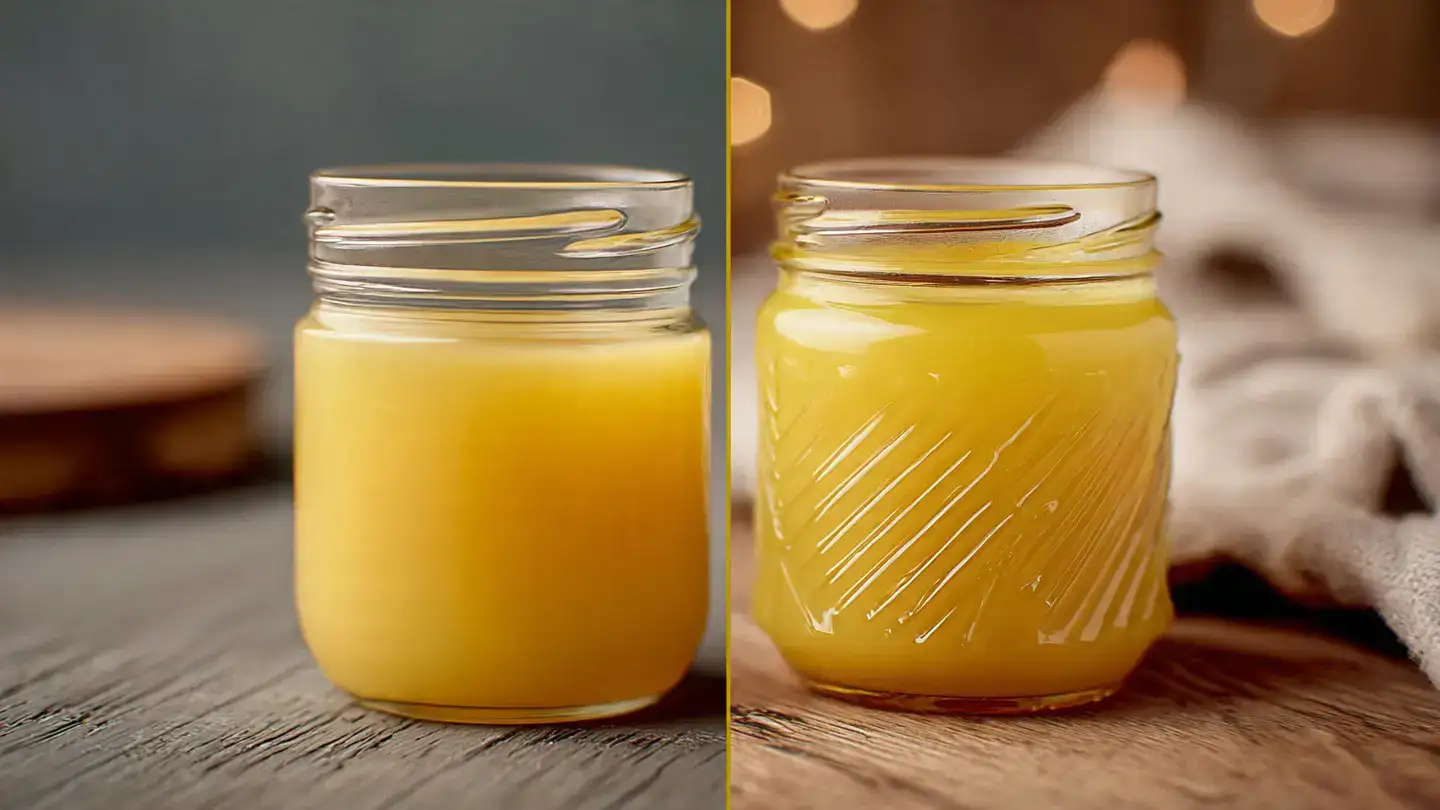
Fake ghee is often a mixture of vegetable oils, coal tar dyes, and even paraffin wax. These substances mimic the look and smell of the real thing but offer none of the health benefits. Identifying these frauds requires a mix of sensory observation and simple chemical testing at home.
If the substance takes a long time to melt or remains a pale, milky yellow, it is likely adulterated. This delay often indicates the presence of vegetable oils or vanaspati, which have different melting behaviours. The "flash melt" and dark caramelisation are hallmarks of pure desi ghee .
If the ghee remains solid or feels gritty and waxy on your skin, it is a red flag. These textures suggest that the product contains hydrogenated fats or waxes that require much higher temperatures to break down. Genuine ghee should feel smooth and absorb quickly into the skin.
If the mixture turns blue or purple, it confirms the presence of starch. Pure ghee contains only fats and will not change colour when exposed to iodine. Avoiding these fillers is crucial, as they can cause adulterated ghee symptoms such as unexpected bloating or digestive discomfort.
If you see separate layers—perhaps a white base with a yellow oily top—it is a sign that different oils have been blended together. Pure ghee will look consistent from top to bottom. This lack of uniformity is a clear sign of a low-quality, multi-fat imitation.
While price shouldn't be the only indicator, exceptionally cheap ghee is rarely pure. By using these tests and choosing transparently produced brands, you can ensure your kitchen remains a place of health. Learning how to identify fake ghee is the best way to safeguard your diet and enjoy the true benefits of this ancient superfood.
Image Courtesy: Meta AI
Fake ghee is often a mixture of vegetable oils, coal tar dyes, and even paraffin wax. These substances mimic the look and smell of the real thing but offer none of the health benefits. Identifying these frauds requires a mix of sensory observation and simple chemical testing at home.
The Heat and Colour Reaction Test
The fastest way to identify fake ghee is to observe its reaction to high temperatures. Place a teaspoon of the product in a pan over medium heat. Pure ghee has a low melting point and will liquefy almost instantly. As it melts, it should turn a deep, dark brownish colour.If the substance takes a long time to melt or remains a pale, milky yellow, it is likely adulterated. This delay often indicates the presence of vegetable oils or vanaspati, which have different melting behaviours. The "flash melt" and dark caramelisation are hallmarks of pure desi ghee .
Using the Palm Test for Texture
Your body temperature is an excellent diagnostic tool for fat purity. Place a small dollop of ghee on your palm and wait for a few seconds. Authentic ghee should begin to melt immediately upon contact with your skin. This is because its melting point is close to human body temperature.If the ghee remains solid or feels gritty and waxy on your skin, it is a red flag. These textures suggest that the product contains hydrogenated fats or waxes that require much higher temperatures to break down. Genuine ghee should feel smooth and absorb quickly into the skin.
Detecting Starch Fillers with Iodine
Some manufacturers add mashed potatoes or cornflour to increase the weight and "grainy" texture of the product. To catch this, you can perform a simple ghee purity test using iodine. Melt a small amount of ghee and add two drops of iodine solution to it.If the mixture turns blue or purple, it confirms the presence of starch. Pure ghee contains only fats and will not change colour when exposed to iodine. Avoiding these fillers is crucial, as they can cause adulterated ghee symptoms such as unexpected bloating or digestive discomfort.
The Fridge Layering Investigation
Because pure ghee is a homogenous fat, it should solidify uniformly. Melt the ghee, pour it into a transparent glass jar, and place it in the fridge until it hardens. Once solid, check the sides of the jar for distinct layers or patches of different colours.If you see separate layers—perhaps a white base with a yellow oily top—it is a sign that different oils have been blended together. Pure ghee will look consistent from top to bottom. This lack of uniformity is a clear sign of a low-quality, multi-fat imitation.
The Benefits of Traditional Sourcing
One of the most reliable ways to avoid fakes is to buy products made via the traditional bilona method . This process involves churning curd into butter before simmering it. This traditional technique produces a specific molecular structure that is much harder for fraudsters to replicate than modern, cream-based versions.While price shouldn't be the only indicator, exceptionally cheap ghee is rarely pure. By using these tests and choosing transparently produced brands, you can ensure your kitchen remains a place of health. Learning how to identify fake ghee is the best way to safeguard your diet and enjoy the true benefits of this ancient superfood.
Image Courtesy: Meta AI
Next Story