
How To Identify Fake Jaggery And Spot Pure Natural Gur Before Buying From The Market

Buying Jaggery? Learn Simple Ways To Identify Fake Gur And Choose Pure Quality: Jaggery, widely known as gur in many Indian households, has been used for centuries as a natural sweetener and a healthier substitute for refined sugar. It plays an important role in traditional cooking, winter foods and festive sweets because of its rich taste and natural mineral content. However, with the rising demand for jaggery across the country, adulterated and chemically processed varieties have also started appearing in the market. Some producers add chemicals, artificial colours or sugar crystals to improve the appearance and increase quantity. For consumers, this makes it essential to understand how to identify fake jaggery . With a few simple observations and easy home methods, it becomes possible to recognise pure jaggery and avoid harmful adulterated products.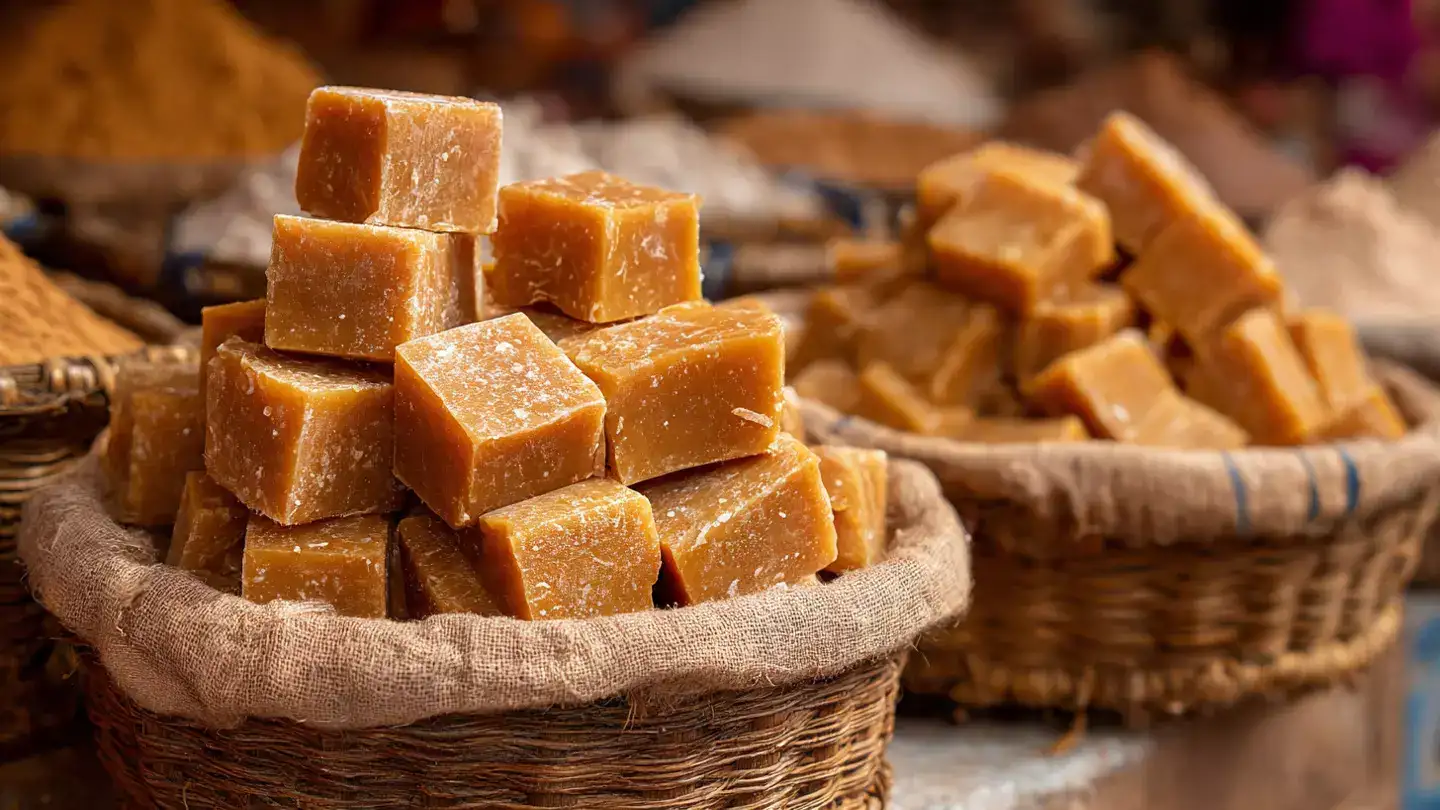
Substances such as bleaching agents are sometimes added to create a lighter and more attractive colour. In other cases, sugar crystals, chalk powder or starch are mixed to increase the weight of the product. These practices fall under jaggery adulteration and reduce both the purity and nutritional value of the final product.
Understanding these practices helps consumers remain cautious when purchasing jaggery from the market.
If jaggery looks extremely bright yellow or very light golden, it may have been chemically treated. Some manufacturers use artificial agents to bleach the jaggery and give it a cleaner appearance because many buyers associate lighter colour with better quality.
In reality, authentic jaggery rarely has a perfectly uniform colour. Slight variations in shade often indicate minimal processing and natural preparation.
If the jaggery block feels unusually hard, sticky or rubbery, it may contain added sugar syrup or other substances. These additives change the natural structure of jaggery and affect its texture.
Also observe the surface carefully. Natural jaggery usually has a matte appearance rather than a glossy or oily shine.
Take a small piece of jaggery and drop it into a glass of water without stirring it. Pure jaggery typically settles at the bottom and dissolves slowly.
If the jaggery contains adulterants such as chalk powder or starch, these impurities may separate and float in the water or leave a visible residue. This indicates possible jaggery adulteration.
Although this is a simple test, it can offer useful clues about the quality of the product.
Adulterated jaggery may produce an unusual or slightly chemical smell because of the substances used during processing. In some cases, the scent may feel artificial or overly strong.
Taste also provides important clues. Natural jaggery has a rich and deep sweetness with a slightly earthy flavour. Fake jaggery may taste overly sugary, flat or slightly bitter.
However, when jaggery is chemically processed or mixed with adulterants, its nutritional value decreases significantly. Certain chemicals used during production may also cause digestive discomfort or allergic reactions in some individuals.
By learning how to identify fake jaggery, consumers can protect themselves from these risks and ensure they are consuming a healthier product.
Look for jaggery that has a natural brown shade rather than a very bright colour. The texture should be slightly rough and not overly smooth or shiny.
Reading product labels can also help. Some brands now offer organic or chemical-free jaggery made without artificial additives.
Another useful approach is to avoid jaggery that appears too perfect. Natural food products often have small variations in colour and shape, which actually indicate authenticity.
Awareness about food purity is growing as more people pay attention to their diet and health. Knowing how to identify fake jaggery is an important step towards making safer food choices. With simple checks such as observing colour, texture, aroma and performing easy home tests, consumers can confidently choose pure jaggery and enjoy its natural sweetness without worrying about adulteration.
Image Courtesy: Meta A
Why Jaggery Is Often Adulterated
Natural jaggery is prepared by boiling fresh sugarcane juice until it thickens and solidifies. Traditionally, this process does not require chemical additives. However, to meet high demand and increase profits, some manufacturers use chemicals during processing.Substances such as bleaching agents are sometimes added to create a lighter and more attractive colour. In other cases, sugar crystals, chalk powder or starch are mixed to increase the weight of the product. These practices fall under jaggery adulteration and reduce both the purity and nutritional value of the final product.
Understanding these practices helps consumers remain cautious when purchasing jaggery from the market.
Check The Colour Carefully
Colour is one of the easiest ways to recognise pure jaggery. Natural jaggery usually appears dark brown or deep golden brown depending on the quality of sugarcane and the preparation method.If jaggery looks extremely bright yellow or very light golden, it may have been chemically treated. Some manufacturers use artificial agents to bleach the jaggery and give it a cleaner appearance because many buyers associate lighter colour with better quality.
In reality, authentic jaggery rarely has a perfectly uniform colour. Slight variations in shade often indicate minimal processing and natural preparation.
Observe The Texture And Hardness
Another useful method in pure jaggery identification tips is checking the texture. Pure jaggery generally feels slightly soft and crumbly when broken. It should not be extremely hard.If the jaggery block feels unusually hard, sticky or rubbery, it may contain added sugar syrup or other substances. These additives change the natural structure of jaggery and affect its texture.
Also observe the surface carefully. Natural jaggery usually has a matte appearance rather than a glossy or oily shine.
Try A Simple Water Test At Home
A basic household method can also help determine whether jaggery contains impurities. This test is often recommended while learning how to check pure gur .Take a small piece of jaggery and drop it into a glass of water without stirring it. Pure jaggery typically settles at the bottom and dissolves slowly.
If the jaggery contains adulterants such as chalk powder or starch, these impurities may separate and float in the water or leave a visible residue. This indicates possible jaggery adulteration.
Although this is a simple test, it can offer useful clues about the quality of the product.
Smell And Taste Can Also Indicate Purity
The aroma of jaggery can also reveal its authenticity. Pure jaggery usually has a mild and pleasant sugarcane-like fragrance.Adulterated jaggery may produce an unusual or slightly chemical smell because of the substances used during processing. In some cases, the scent may feel artificial or overly strong.
Taste also provides important clues. Natural jaggery has a rich and deep sweetness with a slightly earthy flavour. Fake jaggery may taste overly sugary, flat or slightly bitter.
Possible Health Concerns From Fake Jaggery
Many people choose jaggery instead of refined sugar because it contains small amounts of minerals such as iron, magnesium and potassium. These nutrients contribute to the health benefits of jaggery .However, when jaggery is chemically processed or mixed with adulterants, its nutritional value decreases significantly. Certain chemicals used during production may also cause digestive discomfort or allergic reactions in some individuals.
You may also like
- नींबू के साथ इन खाद्य पदार्थों का सेवन न करें: जानें क्यों
- Navigating Conflicts on Instagram: A Guide to Staying Safe
- Essential Tips for Securing Your Facebook Account
- Viral Video Highlights Women's Safety Concerns on Public Transport
- One Shift, ₹55,210 in Fines: How a Mumbai Ticket Inspector Turned a Regular Workday Into a Viral Moment
By learning how to identify fake jaggery, consumers can protect themselves from these risks and ensure they are consuming a healthier product.
Smart Buying Tips For Pure Jaggery
Selecting the right jaggery requires careful observation. Whenever possible, buy jaggery from trusted sellers who follow traditional preparation methods.Look for jaggery that has a natural brown shade rather than a very bright colour. The texture should be slightly rough and not overly smooth or shiny.
Reading product labels can also help. Some brands now offer organic or chemical-free jaggery made without artificial additives.
Another useful approach is to avoid jaggery that appears too perfect. Natural food products often have small variations in colour and shape, which actually indicate authenticity.
Awareness about food purity is growing as more people pay attention to their diet and health. Knowing how to identify fake jaggery is an important step towards making safer food choices. With simple checks such as observing colour, texture, aroma and performing easy home tests, consumers can confidently choose pure jaggery and enjoy its natural sweetness without worrying about adulteration.
Image Courtesy: Meta A






More from our partners


Loving Newspoint? Download the app now
