
Pasta Myths Busted: Can You Enjoy It Without Gaining Weight?

Pasta often gets blamed for weight gain, bloating, and that heavy post-meal feeling. But the truth is far less dramatic. When eaten mindfully, pasta can be a nourishing, energy-boosting part of your everyday diet, no guilt required.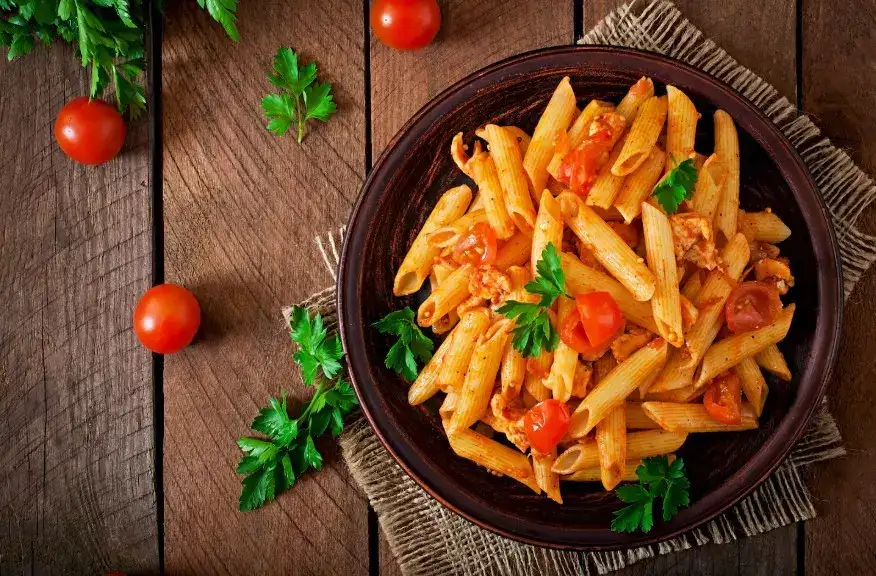
Fuel Your Body the Right Way
At its core, pasta is rich in carbohydrates, which your body converts into glucose for energy. This makes it a great option to keep you active and fuel muscle function. Swap regular pasta for whole wheat versions, and you’ll also get a good dose of fibre, helping digestion and keeping hunger at bay for longer.
Make It Smarter with Better Choices
Pasta becomes healthy or heavy depending on what you pair it with. Nutrition experts recommend combining it with vegetables, lean proteins, and healthy fats like olive oil. Today’s gluten-free options, made from chickpeas, lentils, or beans, are also gaining popularity. They’re higher in protein and perfect for those avoiding wheat.
It’s Not the Pasta, It’s the Sauce
Plain pasta is naturally low in fat. The real calorie load usually comes from creamy sauces, excess cheese, or processed meats. A simple switch to tomato-based sauces, a drizzle of olive oil, and lots of veggies can instantly make your pasta lighter and healthier. A standard 75g portion of dried pasta contains around 270 calories, quite reasonable when balanced well.
Why Some People Feel Bloated
If pasta leaves you feeling uncomfortable, it could be due to certain carbohydrates in wheat that are harder to digest. Cooking pasta al dente or letting it cool before eating can help. This increases resistant starch, which supports gut health and provides steady energy.
Plenty of Options for Everyone
For those with gluten intolerance or coeliac conditions, there are plenty of alternatives, like pasta made from rice, quinoa, lentils, or split peas. These options often come with added protein and fibre, making them a nutritious swap.
Does Shape Really Matter?
Not really. Whether it’s penne, spaghetti, or rigatoni, the nutritional value stays mostly the same. The only difference is how well they hold sauces. However, gnocchi, made from potatoes, is softer, higher in starch, and usually eaten in smaller portions.
Pasta isn’t the enemy, it’s all about how you eat it. Choose wholegrain or high-protein varieties, watch your portions, and load your plate with veggies and healthy toppings. Done right, pasta can be a delicious, satisfying, and balanced meal that fits perfectly into a healthy lifestyle.
Fuel Your Body the Right Way
At its core, pasta is rich in carbohydrates, which your body converts into glucose for energy. This makes it a great option to keep you active and fuel muscle function. Swap regular pasta for whole wheat versions, and you’ll also get a good dose of fibre, helping digestion and keeping hunger at bay for longer. Make It Smarter with Better Choices
Pasta becomes healthy or heavy depending on what you pair it with. Nutrition experts recommend combining it with vegetables, lean proteins, and healthy fats like olive oil. Today’s gluten-free options, made from chickpeas, lentils, or beans, are also gaining popularity. They’re higher in protein and perfect for those avoiding wheat.It’s Not the Pasta, It’s the Sauce
Plain pasta is naturally low in fat. The real calorie load usually comes from creamy sauces, excess cheese, or processed meats. A simple switch to tomato-based sauces, a drizzle of olive oil, and lots of veggies can instantly make your pasta lighter and healthier. A standard 75g portion of dried pasta contains around 270 calories, quite reasonable when balanced well. Why Some People Feel Bloated
If pasta leaves you feeling uncomfortable, it could be due to certain carbohydrates in wheat that are harder to digest. Cooking pasta al dente or letting it cool before eating can help. This increases resistant starch, which supports gut health and provides steady energy.Plenty of Options for Everyone
For those with gluten intolerance or coeliac conditions, there are plenty of alternatives, like pasta made from rice, quinoa, lentils, or split peas. These options often come with added protein and fibre, making them a nutritious swap. Does Shape Really Matter?
Not really. Whether it’s penne, spaghetti, or rigatoni, the nutritional value stays mostly the same. The only difference is how well they hold sauces. However, gnocchi, made from potatoes, is softer, higher in starch, and usually eaten in smaller portions. Pasta isn’t the enemy, it’s all about how you eat it. Choose wholegrain or high-protein varieties, watch your portions, and load your plate with veggies and healthy toppings. Done right, pasta can be a delicious, satisfying, and balanced meal that fits perfectly into a healthy lifestyle.
Next Story