
How To Introduce A New Diet To Your Dog Safely Without Causing Digestive Problems

Safe And Gradual Ways To Introduce A New Diet To Your Dog Without Stress: A dog’s diet plays a vital role in maintaining energy levels, supporting digestion and ensuring overall health. However, there may be times when pet owners need to switch their dog’s food. This could happen due to age changes, dietary sensitivities, health concerns or simply the need for better nutrition. While changing dog food may seem simple, introducing a new diet suddenly can cause digestive discomfort and stress for your pet. Dogs have sensitive digestive systems, and abrupt dietary changes may lead to problems such as stomach upset or loss of appetite. Learning how to introduce a new diet to your dog safely ensures that the transition remains smooth, allowing your pet to adjust gradually while maintaining good digestive health and balanced nutrition.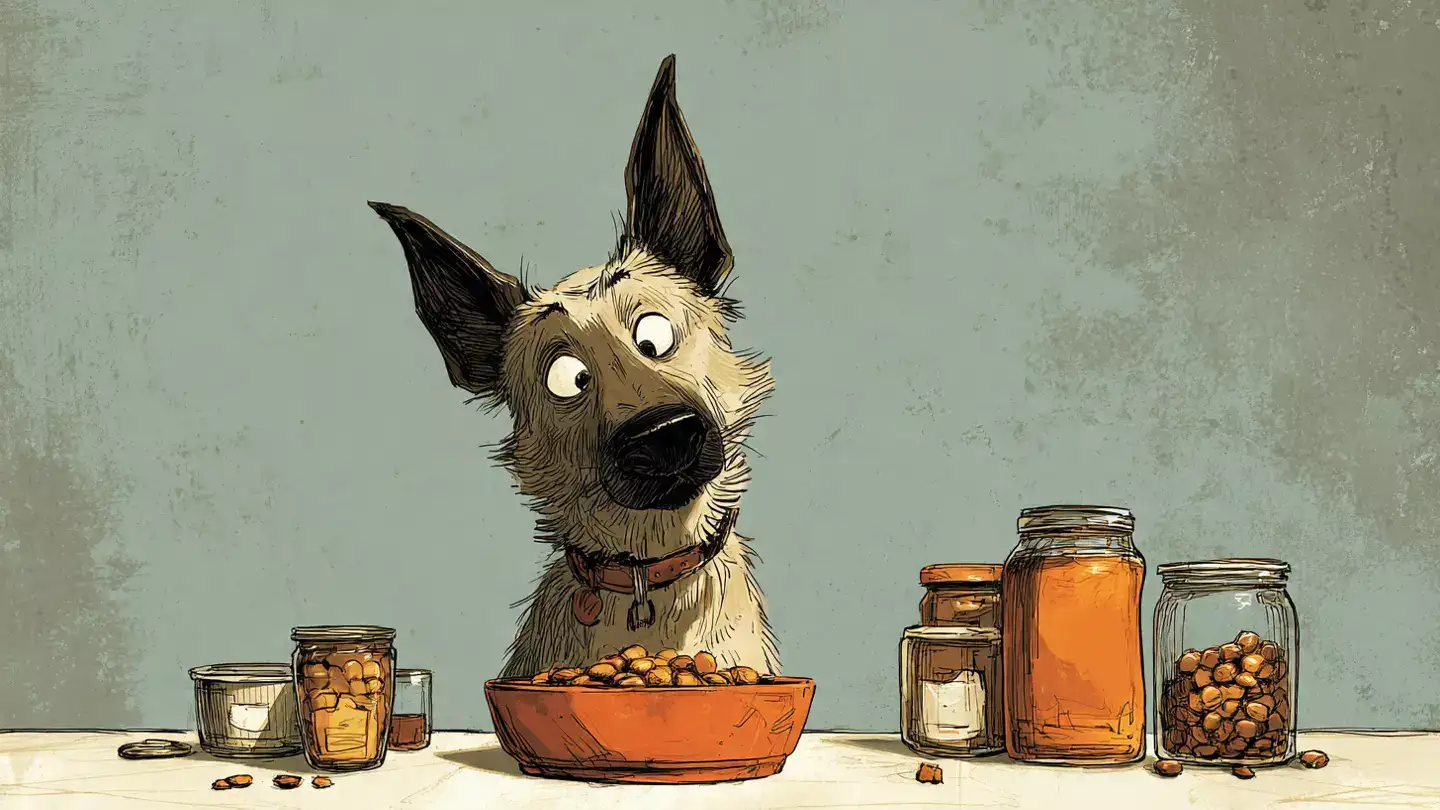
A gradual dog diet transition allows the digestive system to slowly adapt to the new ingredients and nutritional profile. This process reduces the risk of stomach upset and helps dogs accept the new food more easily.
Additionally, introducing a new diet gradually allows pet owners to monitor their dog’s reaction. If any signs of intolerance or allergy appear, adjustments can be made quickly before the new food becomes a major part of the diet.
Taking a careful approach when switching dog food safely helps protect digestive health while ensuring that the dog continues to receive proper nutrition.
During the first two days, the new food should make up a small portion of the meal while the majority remains the existing diet. This allows the dog to become familiar with the taste and smell of the new food.
Over the next few days, the proportion of the new food can be increased while the amount of the old food is reduced. By the end of the transition period, the dog should be fully eating the new diet without digestive discomfort.
This slow transition process generally takes about a week, although some dogs may require a slightly longer adjustment period depending on their sensitivity.
If the dog continues eating willingly and shows no signs of digestive distress, the diet transition is likely progressing successfully. Normal stool consistency and active behaviour are also good indicators that the dog’s digestive system is adapting properly.
Pet owners should also observe skin condition and coat quality over time, as improved nutrition often leads to healthier fur and better overall appearance.
A smooth dog diet transition not only helps prevent discomfort but can also contribute to improved long-term health.
Loss of appetite or unusual lethargy during the transition period may also signal a problem. In some cases, dogs may develop allergies or sensitivities to certain ingredients.
If these symptoms appear, it may be necessary to slow down the transition process or reconsider the new diet. Observing your dog closely during the change helps prevent prolonged discomfort and ensures that any issues are addressed promptly.
Maintaining dog digestive health should always remain the priority when adjusting a pet’s diet.
Maintaining a consistent feeding schedule helps dogs feel secure and encourages regular eating habits. Sudden changes in feeding time or environment should be avoided during the transition period.
Fresh drinking water should always be available, as hydration supports healthy digestion. Regular exercise can also help maintain appetite and support overall wellbeing.
It is also helpful to avoid introducing multiple new foods at the same time. Keeping the diet change simple makes it easier to identify whether the new food suits the dog.
Introducing a new diet to your dog safely requires patience and attention, but the effort is worthwhile. A gradual transition protects the digestive system, helps dogs adapt comfortably and ensures that they continue to receive the nutrition they need. By following careful steps and observing your pet’s response, pet owners can successfully switch foods while maintaining their dog’s health, happiness and energy.
Image Courtesy: Meta AI
Why A Gradual Diet Transition Is Important
Dogs often become accustomed to a particular food, and their digestive system adapts to that specific ingredient composition. A sudden change in food can disturb this balance and lead to digestive issues such as vomiting, diarrhoea or bloating.A gradual dog diet transition allows the digestive system to slowly adapt to the new ingredients and nutritional profile. This process reduces the risk of stomach upset and helps dogs accept the new food more easily.
Additionally, introducing a new diet gradually allows pet owners to monitor their dog’s reaction. If any signs of intolerance or allergy appear, adjustments can be made quickly before the new food becomes a major part of the diet.
Taking a careful approach when switching dog food safely helps protect digestive health while ensuring that the dog continues to receive proper nutrition.
The Step By Step Method For Changing Dog Food
One of the most effective ways to introduce a new diet to your dog is through a gradual mixing process. This method slowly replaces the old food with the new one over several days.During the first two days, the new food should make up a small portion of the meal while the majority remains the existing diet. This allows the dog to become familiar with the taste and smell of the new food.
Over the next few days, the proportion of the new food can be increased while the amount of the old food is reduced. By the end of the transition period, the dog should be fully eating the new diet without digestive discomfort.
This slow transition process generally takes about a week, although some dogs may require a slightly longer adjustment period depending on their sensitivity.
Signs Your Dog Is Adjusting Well To The New Diet
During a diet change, monitoring your dog’s behaviour and physical condition is essential. Healthy adjustment signs usually include normal appetite, stable energy levels and regular digestion.If the dog continues eating willingly and shows no signs of digestive distress, the diet transition is likely progressing successfully. Normal stool consistency and active behaviour are also good indicators that the dog’s digestive system is adapting properly.
Pet owners should also observe skin condition and coat quality over time, as improved nutrition often leads to healthier fur and better overall appearance.
A smooth dog diet transition not only helps prevent discomfort but can also contribute to improved long-term health.
Warning Signs That The Diet Change May Not Suit Your Dog
While most dogs adjust well to gradual food changes, some may show signs that the new diet is not suitable. Digestive symptoms such as persistent diarrhoea, vomiting or excessive gas may indicate that the food is not being tolerated well.Loss of appetite or unusual lethargy during the transition period may also signal a problem. In some cases, dogs may develop allergies or sensitivities to certain ingredients.
If these symptoms appear, it may be necessary to slow down the transition process or reconsider the new diet. Observing your dog closely during the change helps prevent prolonged discomfort and ensures that any issues are addressed promptly.
Maintaining dog digestive health should always remain the priority when adjusting a pet’s diet.
Additional Tips For A Smooth Diet Change
In addition to gradual food mixing, a few simple practices can make the diet transition easier for dogs.Maintaining a consistent feeding schedule helps dogs feel secure and encourages regular eating habits. Sudden changes in feeding time or environment should be avoided during the transition period.
Fresh drinking water should always be available, as hydration supports healthy digestion. Regular exercise can also help maintain appetite and support overall wellbeing.
It is also helpful to avoid introducing multiple new foods at the same time. Keeping the diet change simple makes it easier to identify whether the new food suits the dog.
Introducing a new diet to your dog safely requires patience and attention, but the effort is worthwhile. A gradual transition protects the digestive system, helps dogs adapt comfortably and ensures that they continue to receive the nutrition they need. By following careful steps and observing your pet’s response, pet owners can successfully switch foods while maintaining their dog’s health, happiness and energy.
Image Courtesy: Meta AI
Next Story