
Why Your Curd Turns Sour Faster in Summer and How to Fix It

Curd in Summer: A Staple That Needs Extra Care
Curd, a staple in many Indian households, is widely appreciated for its cooling properties and digestive benefits, especially during the hot summer months. It pairs well with almost every meal and is often considered a natural probiotic that supports gut health. However, as temperatures rise, a common issue emerges: curd turning overly sour within just a few hours. While a mild tang is natural and even desirable, excessive sourness can affect both taste and how the curd can be used in meals. The good news is that this problem is manageable with a few simple and practical steps.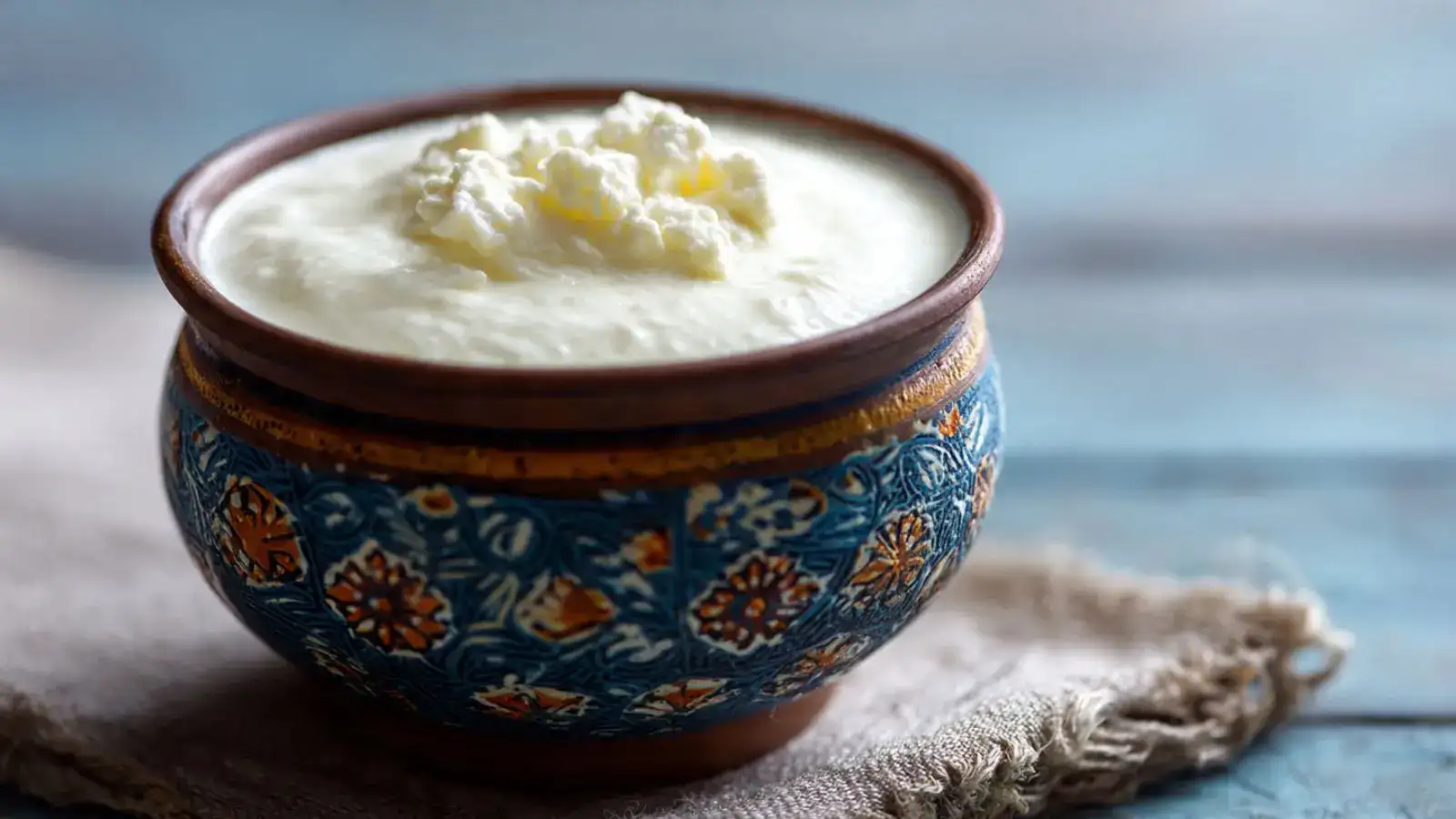
Why Does Curd Turn Sour Quickly in Summer?
Curd is formed through a natural fermentation process in which beneficial bacteria convert lactose (milk sugar) into lactic acid. This process gives curd its signature tangy flavour and thick texture. In summer, the higher ambient temperature speeds up bacterial activity, causing the fermentation process to accelerate. As a result, curd sets faster but also continues to sour rapidly if not stored properly. Even after the curd has fully set, the bacteria remain active, especially when left at room temperature, leading to increased acidity over time.
Refrigeration: The Key to Slowing Fermentation
One of the most effective ways to prevent curd from turning too sour is timely refrigeration. Once the curd has set, it should be transferred to the refrigerator without delay. Cooling significantly slows down bacterial activity, helping maintain the curd’s mild flavour and smooth texture. Ideally, curd should be stored at around 4°C. Leaving it outside for extended periods in hot weather can quickly lead to over-fermentation and an undesirable sharp taste.
Choose the Right Storage Container
The container you use to store curd also plays an important role in preserving its freshness. Traditional earthen pots can help keep curd cool due to their natural porosity, but they may not be sufficient in extreme heat. In such cases, refrigeration becomes essential. Stainless steel and glass containers with tight-fitting lids are highly recommended as they prevent contamination, retain moisture, and do not react with the acidic nature of curd. Avoid using containers that are not properly cleaned or have lingering odors, as these can affect the quality of the curd.
Control Fermentation Time Carefully
In summer, curd tends to set much faster, often within 4 to 6 hours, depending on the temperature. It is important to monitor this process closely. Allowing curd to ferment longer than necessary can result in excessive sourness. One useful trick is to reduce the amount of starter culture (previous batch of curd) used while setting a new batch. A smaller quantity of starter slows down fermentation, helping maintain a balanced and pleasant taste.
Set Curd at the Right Time of Day
Timing also matters when preparing curd at home. Setting curd during cooler parts of the day, such as late evening or nighttime, allows for a more controlled fermentation process. The relatively lower temperature during these hours prevents the bacteria from becoming too active too quickly. Additionally, always use lukewarm milk, not hot, as excessive heat can disrupt the bacterial balance and affect the final texture and taste.
Avoid Exposure to Heat and Contamination
Frequent exposure to warm air can speed up the souring process. Avoid repeatedly opening the container or leaving the curd uncovered. Each exposure raises the temperature slightly, encouraging further fermentation. Always use a clean, dry spoon when serving curd. Introducing moisture or contaminants can not only reduce shelf life but also alter its taste and texture.
Store in Smaller Portions for Better Freshness
If you often struggle with curd turning sour too quickly, consider storing it in smaller portions. This way, you only take out what you need while the remaining curd stays undisturbed and cool. It also reduces repeated exposure to air and temperature changes. Placing the container in the coldest part of the refrigerator, rather than the door, helps maintain a consistent temperature.
Can You Still Use Sour Curd?
Slightly sour curd is still safe to consume and can be used creatively in a variety of dishes such as kadhi, marinades, or smoothies. In fact, its tanginess can enhance the flavour of certain recipes. However, if the curd develops an unusually strong smell, off taste, or visible signs of spoilage, it is best to discard it.
Keep Your Curd Fresh in Summer
Maintaining fresh curd during summer doesn’t require complicated methods, just a better understanding of how heat affects fermentation. With mindful preparation, proper storage, and a few simple adjustments, you can enjoy fresh, mildly tangy curd even during the hottest days.
Curd, a staple in many Indian households, is widely appreciated for its cooling properties and digestive benefits, especially during the hot summer months. It pairs well with almost every meal and is often considered a natural probiotic that supports gut health. However, as temperatures rise, a common issue emerges: curd turning overly sour within just a few hours. While a mild tang is natural and even desirable, excessive sourness can affect both taste and how the curd can be used in meals. The good news is that this problem is manageable with a few simple and practical steps.
Why Does Curd Turn Sour Quickly in Summer?
Curd is formed through a natural fermentation process in which beneficial bacteria convert lactose (milk sugar) into lactic acid. This process gives curd its signature tangy flavour and thick texture. In summer, the higher ambient temperature speeds up bacterial activity, causing the fermentation process to accelerate. As a result, curd sets faster but also continues to sour rapidly if not stored properly. Even after the curd has fully set, the bacteria remain active, especially when left at room temperature, leading to increased acidity over time.
Refrigeration: The Key to Slowing Fermentation
One of the most effective ways to prevent curd from turning too sour is timely refrigeration. Once the curd has set, it should be transferred to the refrigerator without delay. Cooling significantly slows down bacterial activity, helping maintain the curd’s mild flavour and smooth texture. Ideally, curd should be stored at around 4°C. Leaving it outside for extended periods in hot weather can quickly lead to over-fermentation and an undesirable sharp taste.
Choose the Right Storage Container
The container you use to store curd also plays an important role in preserving its freshness. Traditional earthen pots can help keep curd cool due to their natural porosity, but they may not be sufficient in extreme heat. In such cases, refrigeration becomes essential. Stainless steel and glass containers with tight-fitting lids are highly recommended as they prevent contamination, retain moisture, and do not react with the acidic nature of curd. Avoid using containers that are not properly cleaned or have lingering odors, as these can affect the quality of the curd.
Control Fermentation Time Carefully
In summer, curd tends to set much faster, often within 4 to 6 hours, depending on the temperature. It is important to monitor this process closely. Allowing curd to ferment longer than necessary can result in excessive sourness. One useful trick is to reduce the amount of starter culture (previous batch of curd) used while setting a new batch. A smaller quantity of starter slows down fermentation, helping maintain a balanced and pleasant taste.
You may also like
- Has your refrigerator caused your electricity bill to soar? Don't worry; these 6 simple steps will save you a lot of money
- Raising “robot-proof” kids: Why creativity and curiosity matter more than ever
- What should a diabetic patient's diet look like? What to eat and what to avoid? Take note of this immediately…
- Keep this small plant in the kitchen, lizards will not enter even by mistake, know here
- Surprising danger of painting over mould: Wellness experts warn covering up damp patches creates invisible health hazard
Set Curd at the Right Time of Day
Timing also matters when preparing curd at home. Setting curd during cooler parts of the day, such as late evening or nighttime, allows for a more controlled fermentation process. The relatively lower temperature during these hours prevents the bacteria from becoming too active too quickly. Additionally, always use lukewarm milk, not hot, as excessive heat can disrupt the bacterial balance and affect the final texture and taste.
Avoid Exposure to Heat and Contamination
Frequent exposure to warm air can speed up the souring process. Avoid repeatedly opening the container or leaving the curd uncovered. Each exposure raises the temperature slightly, encouraging further fermentation. Always use a clean, dry spoon when serving curd. Introducing moisture or contaminants can not only reduce shelf life but also alter its taste and texture.
Store in Smaller Portions for Better Freshness
If you often struggle with curd turning sour too quickly, consider storing it in smaller portions. This way, you only take out what you need while the remaining curd stays undisturbed and cool. It also reduces repeated exposure to air and temperature changes. Placing the container in the coldest part of the refrigerator, rather than the door, helps maintain a consistent temperature.
Can You Still Use Sour Curd?
Slightly sour curd is still safe to consume and can be used creatively in a variety of dishes such as kadhi, marinades, or smoothies. In fact, its tanginess can enhance the flavour of certain recipes. However, if the curd develops an unusually strong smell, off taste, or visible signs of spoilage, it is best to discard it.
Keep Your Curd Fresh in Summer
Maintaining fresh curd during summer doesn’t require complicated methods, just a better understanding of how heat affects fermentation. With mindful preparation, proper storage, and a few simple adjustments, you can enjoy fresh, mildly tangy curd even during the hottest days.






More from our partners


Loving Newspoint? Download the app now
