
How to Keep Herbs Fresh for Longer: Easy Tips and Tricks

Fresh herbs can instantly elevate any dish with their aroma, flavor, and nutrition. But herbs are delicate, and without proper care, they can wilt or spoil within a few days. Whether you grow them at home or buy them from the market, knowing how to store and maintain them can keep your herbs fresh and flavorful for much longer. Here’s a practical guide with easy tips and tricks.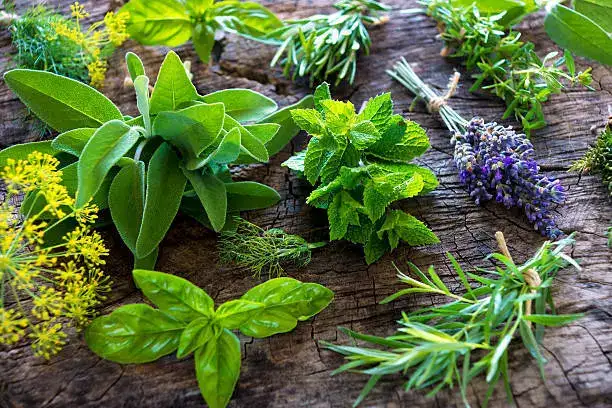
Identify Your Herbs
Herbs are usually classified into two types:
Understanding the type of herb helps determine the best storage method.
Store Soft Herbs in Water
Treat soft herbs like fresh flowers:
Use Damp Paper Towels
Another method for soft herbs:
This prevents wilting and keeps the leaves crisp.
Dry Woody Herbs
Woody herbs like rosemary, thyme, and oregano can be dried for long-term use:
Use Herb Storage Containers
Special herb keepers with optimal humidity and airflow can extend the life of herbs. These are especially useful for delicate herbs like parsley, cilantro, and mint.
Avoid Excess Heat and Moisture
Too much moisture can cause mold, and excessive heat accelerates wilting. Keep herbs in a cool area, avoid direct sunlight, and do not store them near ethylene-producing fruits like bananas or apples.
Keeping herbs fresh is all about using the right storage techniques for the type of herb. From water jars and damp towels to freezing and drying, these simple methods can extend freshness, maintain flavor, and reduce waste. With a little care, you can enjoy aromatic, vibrant herbs in your cooking for weeks.
Identify Your Herbs
Herbs are usually classified into two types: - Soft herbs: Basil, parsley, cilantro, mint, chives. These have tender stems and leaves and are more perishable.
- Woody herbs: Rosemary, thyme, sage, oregano. These have sturdier stems and last longer.
Understanding the type of herb helps determine the best storage method.
Store Soft Herbs in Water
Treat soft herbs like fresh flowers: - Trim the stems and remove any wilted leaves.
- Place the herbs in a glass or jar with about an inch of water.
- Cover loosely with a plastic bag to retain humidity.
- Store in the refrigerator (except basil, which prefers room temperature).
- Change the water every couple of days to keep herbs fresh.
Use Damp Paper Towels
Another method for soft herbs:You may also like
- 'For them, AI is Anti-India': BJP blasts Cong over shirtless protest at Bharat Mandapam
- India-UK FTA, premium liquor brands to drive margin growth: Allied Blenders
 India's passenger vehicle sales surge, likely to expand 5–7 pc in FY26
- CBI arrests proclaimed offender in disproportionate assets case
- Piyush Goyal meets with Finland PM, Swiss Confederation PM to discuss furtherance of trade ties
- Rinse gently and pat dry.
- Wrap in a slightly damp paper towel.
- Place in an airtight container or resealable bag in the fridge.
This prevents wilting and keeps the leaves crisp.
Freeze Herbs for Long-Term Storage
Freezing is ideal if you want herbs to last for weeks or months:- Chop herbs and store in ice cube trays with water or olive oil.
- Once frozen, transfer the cubes to a freezer-safe bag.
- Alternatively, lay whole leaves on a tray, freeze, then store in bags.
Dry Woody Herbs
Woody herbs like rosemary, thyme, and oregano can be dried for long-term use: - Tie small bundles and hang them upside down in a cool, dry, and ventilated area.
- Once completely dry, crumble the leaves and store in airtight containers.
- Dried herbs retain flavor for several months.
Use Herb Storage Containers
Special herb keepers with optimal humidity and airflow can extend the life of herbs. These are especially useful for delicate herbs like parsley, cilantro, and mint.Avoid Excess Heat and Moisture
Too much moisture can cause mold, and excessive heat accelerates wilting. Keep herbs in a cool area, avoid direct sunlight, and do not store them near ethylene-producing fruits like bananas or apples. Keeping herbs fresh is all about using the right storage techniques for the type of herb. From water jars and damp towels to freezing and drying, these simple methods can extend freshness, maintain flavor, and reduce waste. With a little care, you can enjoy aromatic, vibrant herbs in your cooking for weeks.






More from our partners


Loving Newspoint? Download the app now
