
How To Keep Your Bird’s Cage Clean And Safe For A Healthier And Happier Pet

A Complete Guide To Keeping Your Bird’s Cage Clean Safe And Healthy: Keeping a bird as a pet can be a joyful and rewarding experience, but it also comes with responsibilities that should not be overlooked. One of the most important aspects of proper pet bird care is maintaining a clean and safe living environment. Birds spend a large part of their time inside their cages, which means cleanliness and hygiene play a major role in their health and wellbeing. A dirty cage can lead to unpleasant odours, bacterial growth and potential health issues for birds. Regular cleaning and safe cage arrangements help ensure that birds remain comfortable, active and free from harmful conditions. By following simple bird cage cleaning tips and maintaining consistent hygiene practices, bird owners can provide a healthy and secure home for their feathered companions.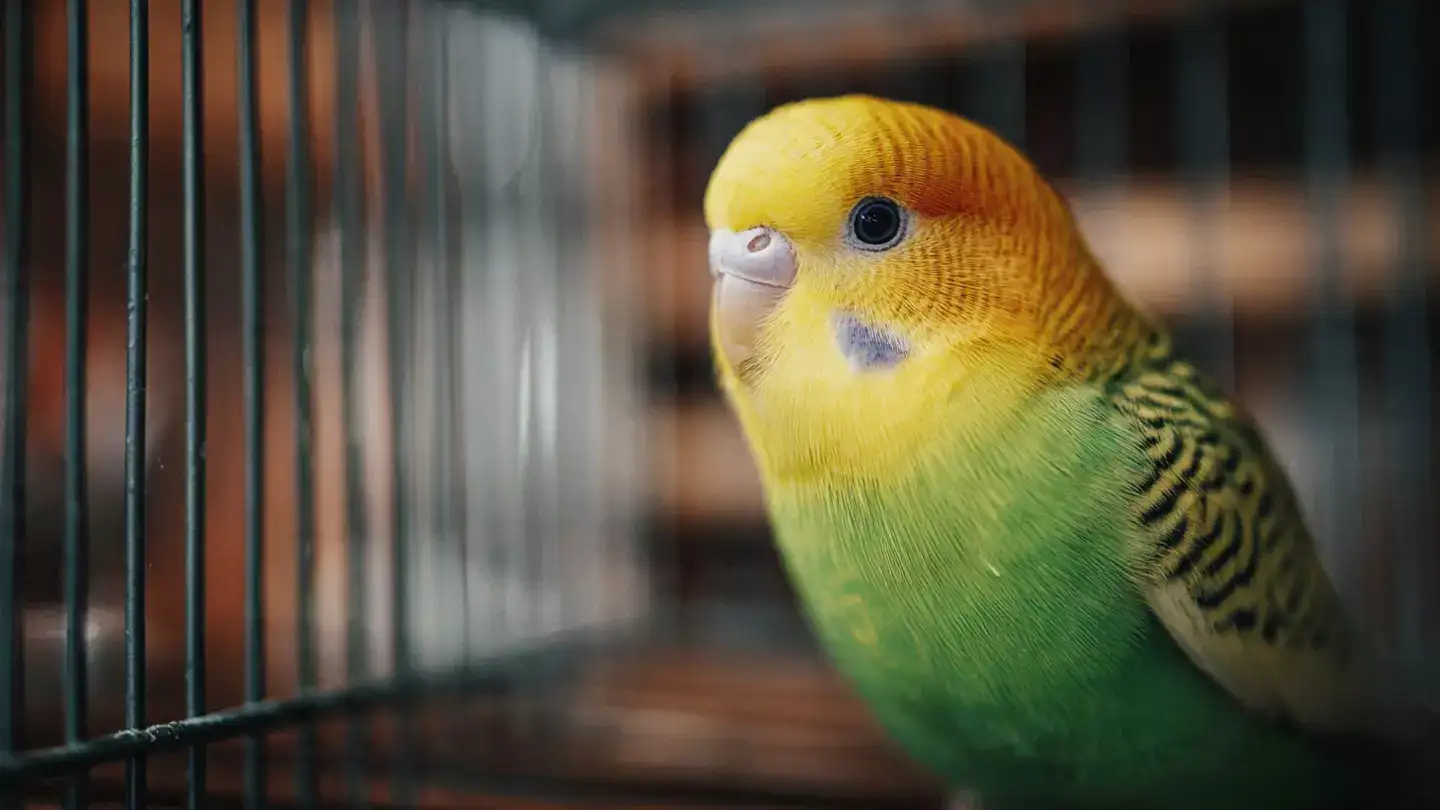
Food leftovers, droppings and feathers can accumulate quickly inside a cage. If not removed regularly, these materials can create an unhealthy environment that may lead to respiratory issues or infections.
Clean surroundings also help reduce stress for birds. A tidy cage allows birds to move comfortably, access their food and water easily and interact with their toys without obstruction. Regular cleaning therefore plays a key role in maintaining both physical health and emotional wellbeing.
Bird owners should begin by removing leftover food from feeding bowls and replacing it with fresh portions. Water containers should also be emptied, cleaned and refilled with fresh water every day.
The cage floor should be checked for droppings and waste materials. Many cages use removable trays or liners that make this task easier. Replacing cage liners daily helps maintain cleanliness and prevents unpleasant odours.
It is also helpful to wipe down perches and frequently touched areas to remove dirt or food residue. These small habits ensure that the cage remains hygienic throughout the week.
Using warm water and bird-safe cleaning solutions helps remove stubborn dirt and bacteria. Harsh chemicals should always be avoided because birds are highly sensitive to strong fumes.
After washing, all cage components should be rinsed thoroughly and allowed to dry completely before being placed back inside the cage. Proper drying prevents moisture buildup, which can encourage mould growth.
Regular deep cleaning not only improves bird cage hygiene but also helps extend the lifespan of the cage and accessories.
The cage should provide enough space for the bird to stretch its wings and move around freely. Overcrowded cages can lead to stress and limited movement.
Perches should be stable and positioned at comfortable heights to allow birds to rest easily. Toys can also be added to provide mental stimulation, but they should be checked regularly for damage that could cause injury.
Food and water bowls should be placed in locations where they remain clean and easily accessible. A safe bird cage setup ensures that birds can eat, drink and play without risk.
Unusual droppings or sudden changes in behaviour may indicate health issues that require attention. Early observation allows pet owners to respond quickly and seek proper care if necessary.
Maintaining a clean cage also encourages birds to remain active and energetic. Birds living in hygienic environments tend to display healthier feathers, brighter behaviour and stronger overall wellbeing.
Daily tasks such as changing water, removing food waste and replacing cage liners prevent small problems from becoming larger hygiene concerns. Weekly deep cleaning ensures that every part of the cage remains fresh and safe.
Proper pet bird care involves attention, patience and responsibility. By maintaining bird cage hygiene and ensuring a safe environment, bird owners can help their pets live longer and healthier lives.
A clean and secure cage ultimately provides birds with the comfort they need to thrive. With simple routines and careful observation, keeping your bird’s cage clean and safe becomes an essential part of responsible and caring pet ownership.
Image Courtesy: Meta AI
Why Cage Cleanliness Is Important For Birds
Birds are naturally sensitive creatures and their health can be affected by their environment. Maintaining proper bird cage hygiene helps prevent the spread of bacteria, mould and parasites that can develop in unclean conditions.Food leftovers, droppings and feathers can accumulate quickly inside a cage. If not removed regularly, these materials can create an unhealthy environment that may lead to respiratory issues or infections.
Clean surroundings also help reduce stress for birds. A tidy cage allows birds to move comfortably, access their food and water easily and interact with their toys without obstruction. Regular cleaning therefore plays a key role in maintaining both physical health and emotional wellbeing.
Daily Cleaning Habits For A Healthy Cage
Maintaining bird cage maintenance does not necessarily require complicated routines, but it does require consistency. Daily cleaning tasks can significantly reduce the buildup of dirt and bacteria.Bird owners should begin by removing leftover food from feeding bowls and replacing it with fresh portions. Water containers should also be emptied, cleaned and refilled with fresh water every day.
The cage floor should be checked for droppings and waste materials. Many cages use removable trays or liners that make this task easier. Replacing cage liners daily helps maintain cleanliness and prevents unpleasant odours.
It is also helpful to wipe down perches and frequently touched areas to remove dirt or food residue. These small habits ensure that the cage remains hygienic throughout the week.
Weekly Deep Cleaning For Proper Hygiene
In addition to daily care, a more thorough cleaning routine should be performed at least once a week. This process involves removing toys, food bowls and perches so that all parts of the cage can be cleaned properly.Using warm water and bird-safe cleaning solutions helps remove stubborn dirt and bacteria. Harsh chemicals should always be avoided because birds are highly sensitive to strong fumes.
After washing, all cage components should be rinsed thoroughly and allowed to dry completely before being placed back inside the cage. Proper drying prevents moisture buildup, which can encourage mould growth.
Regular deep cleaning not only improves bird cage hygiene but also helps extend the lifespan of the cage and accessories.
Creating A Safe Cage Environment
Cleanliness alone is not enough to ensure a healthy cage. Safety is equally important when setting up a comfortable home for a bird.The cage should provide enough space for the bird to stretch its wings and move around freely. Overcrowded cages can lead to stress and limited movement.
Perches should be stable and positioned at comfortable heights to allow birds to rest easily. Toys can also be added to provide mental stimulation, but they should be checked regularly for damage that could cause injury.
Food and water bowls should be placed in locations where they remain clean and easily accessible. A safe bird cage setup ensures that birds can eat, drink and play without risk.
Monitoring Your Bird’s Health Through Cage Maintenance
Regular cage cleaning also provides an opportunity to observe a bird’s behaviour and health. While performing routine cleaning tasks, owners can check for changes in droppings, appetite or activity levels.Unusual droppings or sudden changes in behaviour may indicate health issues that require attention. Early observation allows pet owners to respond quickly and seek proper care if necessary.
Maintaining a clean cage also encourages birds to remain active and energetic. Birds living in hygienic environments tend to display healthier feathers, brighter behaviour and stronger overall wellbeing.
Building A Consistent Bird Care Routine
Consistency is the key to successful bird cage maintenance. Establishing a regular cleaning schedule makes it easier to keep the cage hygienic without feeling overwhelmed.Daily tasks such as changing water, removing food waste and replacing cage liners prevent small problems from becoming larger hygiene concerns. Weekly deep cleaning ensures that every part of the cage remains fresh and safe.
Proper pet bird care involves attention, patience and responsibility. By maintaining bird cage hygiene and ensuring a safe environment, bird owners can help their pets live longer and healthier lives.
A clean and secure cage ultimately provides birds with the comfort they need to thrive. With simple routines and careful observation, keeping your bird’s cage clean and safe becomes an essential part of responsible and caring pet ownership.
Image Courtesy: Meta AI
Next Story