
How to Keep Your Cat Hydrated With Simple And Effective Strategies

Expert Tips for Ensuring Your Cat Drinks Enough Water Every Day: Cats, especially indoor cats, often do not drink enough water. Low water intake can lead to urinary tract issues, kidney problems, and dehydration, affecting overall feline health. Unlike dogs, cats have a low thirst drive and may rely on moisture in their food, making hydration a common challenge for pet owners. Encouraging your cat to drink more water is essential for maintaining their wellbeing, supporting kidney function, and preventing long-term health complications. With the right strategies, cats can develop better hydration habits while enjoying their daily routine.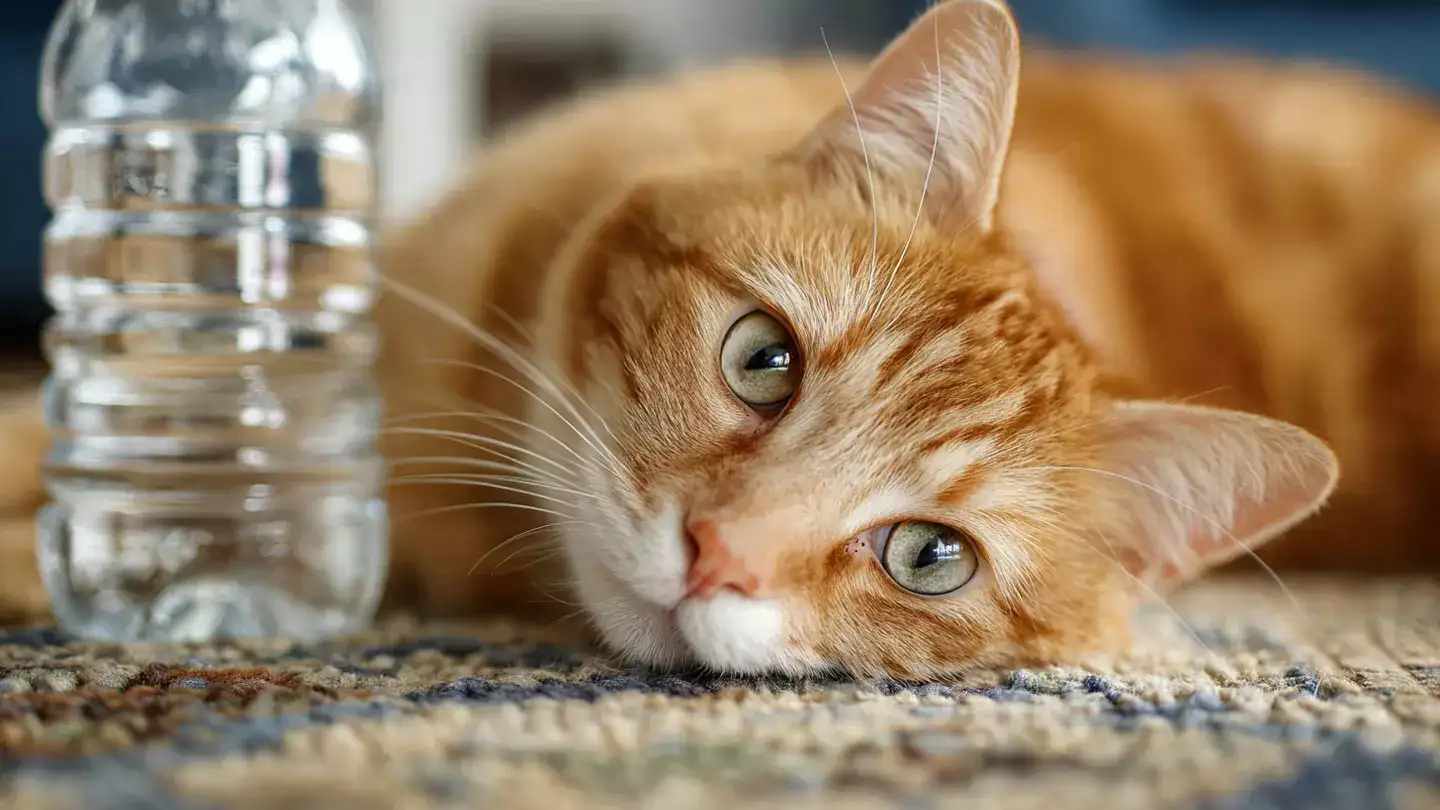
Encouraging your cat to drink more water requires attention, creativity, and patience. By providing fresh water, using cat fountains, incorporating wet food, adding safe flavour options, and monitoring intake, pet owners can support feline hydration and wellbeing. Consistent effort and observation ensure cats remain healthy, active, and happy, reducing the risk of dehydration-related complications and promoting overall wellness.
Image Courtesy: Meta AI
Provide Fresh and Accessible Water
Cats are particular about their water sources, so it is crucial to keep bowls clean and accessible. Changing water daily and washing bowls regularly prevents bacteria build-up and encourages drinking. Using shallow, wide bowls or ceramic dishes can make water more appealing, as cats often dislike deep or narrow containers. Placing water bowls in quiet, low-traffic areas away from food and litter boxes also helps cats feel comfortable drinking whenever they want.Use Cat Fountains to Encourage Drinking
Many cats prefer moving water over stagnant bowls. Cat water fountains mimic running streams, making water more enticing and fresh-tasting. The flowing water can stimulate a cat’s natural curiosity and drinking instinct, increasing daily water intake. Fountains also often include filters to keep water clean and free of impurities, providing a healthier hydration option for cats who may otherwise ignore traditional bowls.You may also like
- Kritika Kamra and Gaurav Kapur Celebrate Their Intimate Wedding in Bandra
- 'Flawless' Coco & Eve tan leaves users 'so confident' and 'smooths out pesky cellulite'
- Drivers warned using this item in your car could be 'expensive' mistake
- Celebrating the Legacy of Bidhan Chandra Roy on National Doctors' Day
- Strangers Offer Food to a Food Delivery Executive; His Emotional Reaction Will Melt Your Heart
Offer Wet Food and Moist Treats
Incorporating wet food into your cat’s diet can significantly boost hydration. Wet cat food contains high moisture content, helping to supplement water intake naturally. You can also offer water-rich treats or mix a small amount of water into dry food to make meals more hydrating. This approach ensures cats receive extra fluids without forcing them to drink more from bowls, especially useful for cats who are picky about water sources.Add Flavour or Variety to Water
Some cats respond positively to subtle flavours in their water. Adding a small amount of low-sodium tuna juice, chicken broth, or specialised cat hydration products can make drinking more enticing. Rotating water bowls or introducing different types of dishes can also encourage cats to explore and drink more. The key is moderation and avoiding additives that could harm feline health.Monitor and Encourage Regular Drinking
Regular observation helps ensure your cat is drinking enough water. Track daily intake and watch for signs of dehydration such as lethargy, dry gums, or reduced urination. Encourage drinking through positive reinforcement, offering praise or gentle attention when cats approach water sources. Gradually incorporating these techniques into your cat’s routine supports consistent hydration habits and long-term health benefits.Consult a Veterinarian for Persistent Issues
If your cat continues to avoid drinking despite these strategies, it is essential to consult a veterinarian. Persistent low water intake may indicate underlying health problems, including kidney disease or urinary tract issues. Professional advice can help create a tailored hydration plan, ensuring your cat receives adequate fluids safely and effectively.Encouraging your cat to drink more water requires attention, creativity, and patience. By providing fresh water, using cat fountains, incorporating wet food, adding safe flavour options, and monitoring intake, pet owners can support feline hydration and wellbeing. Consistent effort and observation ensure cats remain healthy, active, and happy, reducing the risk of dehydration-related complications and promoting overall wellness.
Image Courtesy: Meta AI






More from our partners


Loving Newspoint? Download the app now
