
How To Make Authentic Punjabi Sarson Da Saag Without Cream At Home

Punjabi cuisine is celebrated for its bold flavours, rustic textures and comforting winter dishes, and Sarson da Saag stands proudly at the heart of this culinary tradition. Prepared using fresh mustard greens and slow-cooked with aromatic spices, this dish symbolises warmth, nourishment and heritage. While many modern versions rely on cream or butter for richness, the authentic village-style preparation does not require either. In fact, making Punjabi Sarson da Saag without cream enhances its earthy taste while keeping it lighter and healthier, making it ideal for those seeking traditional flavour without excessive heaviness.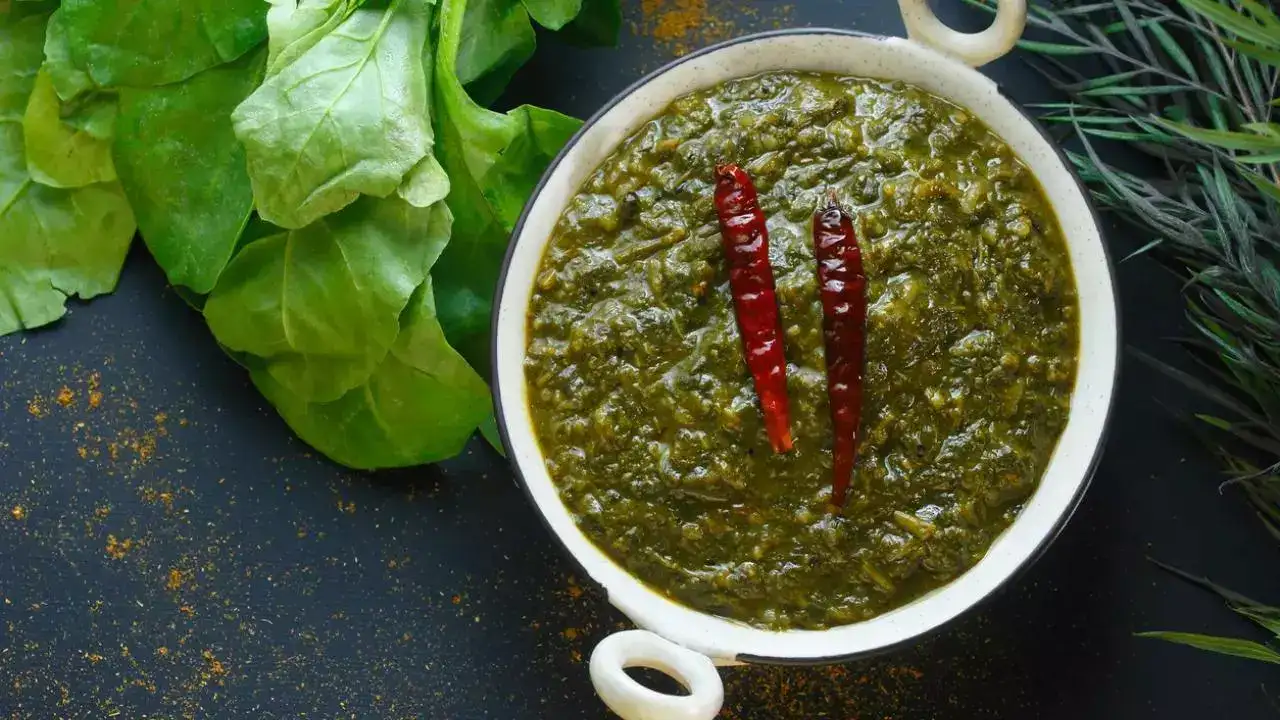
Winter foods in Punjab are designed to provide warmth and energy. Mustard greens are rich in iron, calcium and vitamins, making Sarson da Saag both nutritious and sustaining. Removing cream from the recipe does not reduce its authenticity; rather, it aligns more closely with its original farm-style roots.
Common combinations include mustard leaves, spinach and bathua. Mustard provides the signature pungent flavour, spinach adds smoothness, and bathua lends mild earthiness. This blend ensures the saag remains naturally creamy even without dairy additions.
Freshness is key. Leaves should be vibrant, tender and free from yellowing. Washing them thoroughly is essential, as winter greens often carry soil residues.
The greens are first pressure-cooked or slow-boiled with ginger, garlic and green chillies. Once softened, they are coarsely mashed rather than finely pureed. This rustic texture defines authentic saag.
Makki ka atta is often added as a natural thickener. It binds the greens while enhancing flavour without needing cream. The mixture is then simmered for an extended period, allowing moisture to evaporate and richness to develop organically.
The final tempering, or tadka, is prepared using ghee, onions, garlic and sometimes dry red chillies. Even in a cream-free version, this finishing step delivers depth and aroma.
Mustard greens are known for supporting immunity, improving digestion and promoting bone health. They are packed with antioxidants and fibre, making the dish beneficial for metabolic wellness.
Cooking without cream significantly reduces saturated fat and calorie content. This makes the dish suitable for weight-conscious individuals or those managing cholesterol levels.
Moreover, the natural fibres and plant compounds in leafy greens aid detoxification, reinforcing why traditional winter diets relied heavily on such preparations.
Slow simmering is essential. The longer the greens cook, the deeper the flavour. Hand-mashing instead of blending preserves body and prevents the dish from becoming pasty.
Using white butter or a small amount of desi ghee as garnish can add gloss without overwhelming heaviness. However, even this is optional.
Another traditional trick is reheating the saag the next day. Resting allows spices to mature, often making leftovers taste better than freshly cooked servings.
Makki di roti remains the most iconic companion, offering a slightly sweet contrast to the saag’s pungency. Jaggery, sliced onions and green chillies are often served alongside to balance flavours.
A glass of churned buttermilk or lassi completes the meal, aiding digestion while reinforcing its rustic Punjabi identity.
It aligns with clean eating trends while preserving culinary authenticity. Restaurants and home cooks alike are rediscovering that richness can come from patience, technique and fresh produce rather than dairy additions.
Punjabi Sarson da Saag without cream is a testament to how traditional recipes were inherently balanced, nutritious and flavourful long before modern modifications emerged. By relying on fresh winter greens, slow cooking and simple spices, this dish achieves depth without heaviness. Whether prepared for festive gatherings or everyday comfort meals, its earthy warmth continues to define North Indian winter cuisine. Embracing the cream-free version not only honours authenticity but also offers a healthier way to enjoy one of Punjab’s most beloved culinary treasures.
The Cultural And Seasonal Significance Of Sarson Da Saag
Sarson da Saag is more than just a dish; it is a seasonal ritual across Punjabi households. Prepared mainly during winter, when mustard greens are at their freshest, it is often paired with makki di roti to create a wholesome rural meal. The dish reflects agricultural rhythms, as families traditionally harvest fresh greens from their fields and cook them slowly over wood fires.Winter foods in Punjab are designed to provide warmth and energy. Mustard greens are rich in iron, calcium and vitamins, making Sarson da Saag both nutritious and sustaining. Removing cream from the recipe does not reduce its authenticity; rather, it aligns more closely with its original farm-style roots.
Choosing The Right Greens For Authentic Taste
A well-balanced Sarson da Saag is never made from mustard greens alone. Traditional recipes combine multiple leafy greens to balance bitterness and texture.Common combinations include mustard leaves, spinach and bathua. Mustard provides the signature pungent flavour, spinach adds smoothness, and bathua lends mild earthiness. This blend ensures the saag remains naturally creamy even without dairy additions.
Freshness is key. Leaves should be vibrant, tender and free from yellowing. Washing them thoroughly is essential, as winter greens often carry soil residues.
Traditional Cooking Method Without Cream
The beauty of Sarson da Saag lies in its slow cooking process. Rather than rushing, traditional preparation allows flavours to deepen gradually.The greens are first pressure-cooked or slow-boiled with ginger, garlic and green chillies. Once softened, they are coarsely mashed rather than finely pureed. This rustic texture defines authentic saag.
Makki ka atta is often added as a natural thickener. It binds the greens while enhancing flavour without needing cream. The mixture is then simmered for an extended period, allowing moisture to evaporate and richness to develop organically.
The final tempering, or tadka, is prepared using ghee, onions, garlic and sometimes dry red chillies. Even in a cream-free version, this finishing step delivers depth and aroma.
Health Benefits Of Cream-Free Sarson Da Saag
Eliminating cream transforms Sarson da Saag into a nutrient-dense, heart-friendly dish without compromising taste.Mustard greens are known for supporting immunity, improving digestion and promoting bone health. They are packed with antioxidants and fibre, making the dish beneficial for metabolic wellness.
Cooking without cream significantly reduces saturated fat and calorie content. This makes the dish suitable for weight-conscious individuals or those managing cholesterol levels.
Moreover, the natural fibres and plant compounds in leafy greens aid detoxification, reinforcing why traditional winter diets relied heavily on such preparations.
You may also like
- Cong neglected Assam, destabilised region for political gain: PM Modi
- Shimla police arrest six in Rohru drug case; main distributor held at Indo-Nepal border
- EU can't afford delay to provisionally apply Mercosur interim deal, fast‑track FTA with India
- Mumbai: One killed, several injured as portion of under-construction metro viaduct falls on vehicle
- 'From Chai to Chips': PM Modi pitches Assam's growth story ahead of Assembly elections
Tips To Enhance Flavour Naturally
Creating richness without cream depends on technique rather than ingredients alone.Slow simmering is essential. The longer the greens cook, the deeper the flavour. Hand-mashing instead of blending preserves body and prevents the dish from becoming pasty.
Using white butter or a small amount of desi ghee as garnish can add gloss without overwhelming heaviness. However, even this is optional.
Another traditional trick is reheating the saag the next day. Resting allows spices to mature, often making leftovers taste better than freshly cooked servings.
Perfect Pairings For A Complete Meal
Sarson da Saag reaches its full potential when paired thoughtfully.Makki di roti remains the most iconic companion, offering a slightly sweet contrast to the saag’s pungency. Jaggery, sliced onions and green chillies are often served alongside to balance flavours.
A glass of churned buttermilk or lassi completes the meal, aiding digestion while reinforcing its rustic Punjabi identity.
Why Creamless Sarson Da Saag Is Gaining Popularity
Modern dietary awareness has renewed interest in traditional cooking methods. As more people seek wholesome, minimally processed foods, cream-free Sarson da Saag has re-emerged as a preferred choice.It aligns with clean eating trends while preserving culinary authenticity. Restaurants and home cooks alike are rediscovering that richness can come from patience, technique and fresh produce rather than dairy additions.
Punjabi Sarson da Saag without cream is a testament to how traditional recipes were inherently balanced, nutritious and flavourful long before modern modifications emerged. By relying on fresh winter greens, slow cooking and simple spices, this dish achieves depth without heaviness. Whether prepared for festive gatherings or everyday comfort meals, its earthy warmth continues to define North Indian winter cuisine. Embracing the cream-free version not only honours authenticity but also offers a healthier way to enjoy one of Punjab’s most beloved culinary treasures.






More from our partners


Loving Newspoint? Download the app now
