
How To Make Creamy Paneer Lababdar Without Using Fresh Cream At Home With Restaurant-Style Taste

How To Prepare Silky Paneer Lababdar Without Cream For A Healthier Yet Indulgent Meal: Paneer Lababdar is one of the most loved North Indian curries, known for its rich texture, mildly sweet flavour and vibrant orange gravy. Traditionally, this dish uses generous amounts of fresh cream to achieve its signature silkiness. However, many home cooks prefer lighter alternatives that do not compromise on taste. If you have ever wondered how to prepare creamy paneer lababdar without fresh cream, the good news is that it is absolutely possible. With the right techniques and a few clever substitutions, you can enjoy a restaurant-style paneer lababdar that feels indulgent yet balanced, making it a perfect Indian vegetarian curry for everyday meals or special occasions.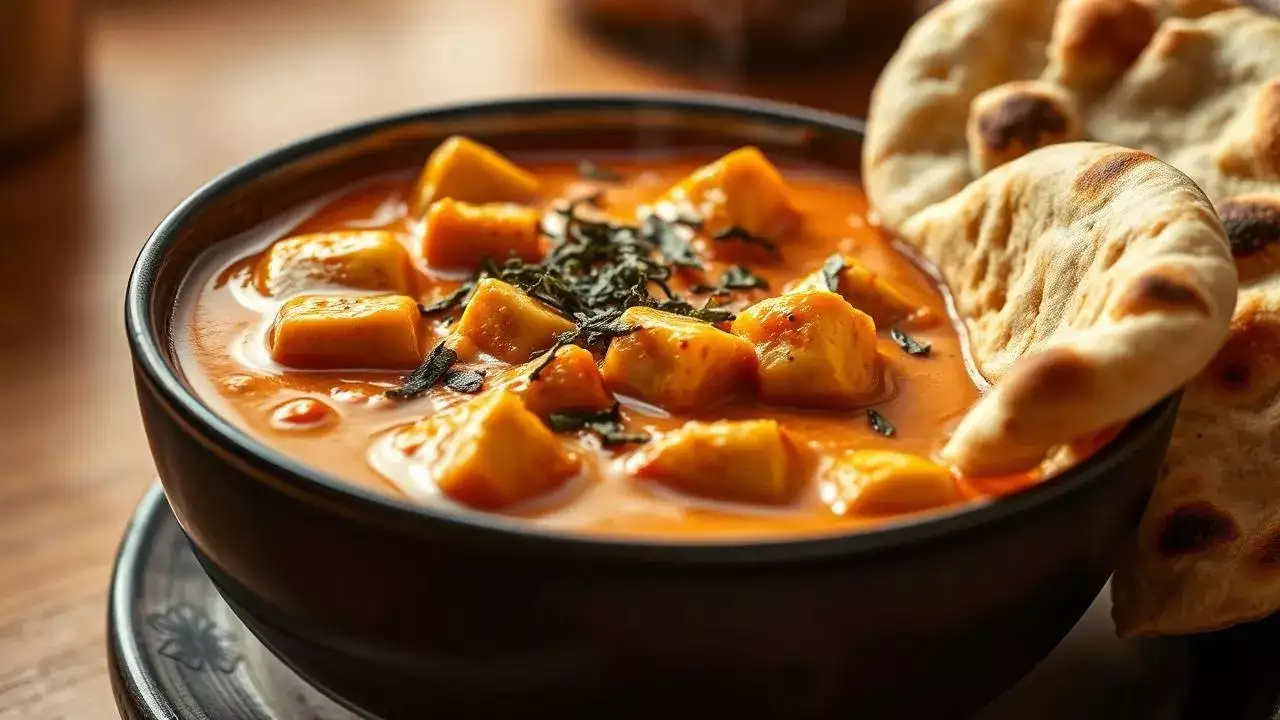
The traditional method includes cream at the finishing stage, which adds thickness and sheen. But the cream is not the only way to achieve that velvety finish. The texture of this creamy paneer without cream depends more on how well you prepare the base and how you blend and cook it.
Cashews are particularly useful because when soaked and blended into a smooth paste, they lend a natural richness to the gravy. This helps thicken the curry and adds a subtle nutty undertone. Warm milk can also be stirred in towards the end for a gentle creaminess without making the dish heavy. Some cooks prefer adding a spoonful of beaten yoghurt for mild tang and body, but it should be added carefully to avoid curdling.
Butter still plays an important role in this healthy paneer recipe . A moderate amount enhances flavour and helps recreate the restaurant style paneer taste without excessive fat from cream.
Heat butter in a heavy pan and add whole spices such as bay leaf and a small piece of cinnamon. Once fragrant, add finely chopped onions and sauté until golden brown. This stage is crucial because properly caramelised onions form the backbone of flavour.
Next, add ginger-garlic paste and cook until the raw aroma disappears. Follow with pureed tomatoes and cook the mixture patiently until the oil separates from the masala. This ensures the base is well-cooked and free from raw acidity. Add turmeric, red chilli powder, coriander powder and a pinch of garam masala.
Once the spices are well incorporated, add the prepared cashew paste and cook on low heat. You will notice the gravy thickening gradually. Add a little warm water if needed to adjust consistency. Let it simmer gently so the flavours blend beautifully.
Add paneer cubes and allow them to cook for a few minutes in the gravy. Avoid overcooking, as paneer can become rubbery. Finish with a splash of warm milk and a small pinch of sugar to balance the acidity of tomatoes. A final sprinkle of kasuri methi enhances aroma and gives the dish its characteristic flavour.
The result is a creamy paneer without cream that looks glossy and tastes indulgent.
Use fresh, soft paneer for the best outcome. If the paneer feels firm, soak the cubes in warm salted water for 10 minutes before adding them to the curry. This keeps them soft and moist.
Do not rush the cooking process. Slow simmering allows the spices and cashew paste to integrate fully, delivering that deep, restaurant-style richness associated with paneer lababdar recipe searches online.
Paneer lababdar prepared this way pairs wonderfully with butter naan, roti or jeera rice. It can easily become the highlight of a festive meal or a weekend family dinner.
When prepared with attention to detail and balanced seasoning, this restaurant style paneer remains every bit as satisfying as the traditional version. The key lies in technique rather than heavy ingredients. By understanding how to build flavour and texture carefully, you can confidently serve a creamy paneer without cream that impresses both family and guests alike.
Understanding The Essence Of Paneer Lababdar
Paneer lababdar is distinct from other paneer dishes because of its luscious gravy and subtle sweetness. Unlike spicier gravies, this preparation focuses on a smooth tomato-onion base enriched with butter, aromatic spices and a touch of tang. The keyword here is balance. The gravy should not be overly spicy, nor too sweet. Instead, it should coat the paneer cubes generously, creating a rich mouthfeel.The traditional method includes cream at the finishing stage, which adds thickness and sheen. But the cream is not the only way to achieve that velvety finish. The texture of this creamy paneer without cream depends more on how well you prepare the base and how you blend and cook it.
Ingredients That Create Creaminess Without Cream
To recreate that luxurious consistency, you can rely on ingredients commonly available in Indian kitchens. The most effective substitutes include cashews, milk and even a small quantity of yoghurt.Cashews are particularly useful because when soaked and blended into a smooth paste, they lend a natural richness to the gravy. This helps thicken the curry and adds a subtle nutty undertone. Warm milk can also be stirred in towards the end for a gentle creaminess without making the dish heavy. Some cooks prefer adding a spoonful of beaten yoghurt for mild tang and body, but it should be added carefully to avoid curdling.
Butter still plays an important role in this healthy paneer recipe . A moderate amount enhances flavour and helps recreate the restaurant style paneer taste without excessive fat from cream.
Step-By-Step Method For A Restaurant-Style Finish
Begin by soaking a handful of cashews in warm water for at least 15 to 20 minutes. Blend them into a smooth paste and keep aside.Heat butter in a heavy pan and add whole spices such as bay leaf and a small piece of cinnamon. Once fragrant, add finely chopped onions and sauté until golden brown. This stage is crucial because properly caramelised onions form the backbone of flavour.
Next, add ginger-garlic paste and cook until the raw aroma disappears. Follow with pureed tomatoes and cook the mixture patiently until the oil separates from the masala. This ensures the base is well-cooked and free from raw acidity. Add turmeric, red chilli powder, coriander powder and a pinch of garam masala.
Once the spices are well incorporated, add the prepared cashew paste and cook on low heat. You will notice the gravy thickening gradually. Add a little warm water if needed to adjust consistency. Let it simmer gently so the flavours blend beautifully.
Add paneer cubes and allow them to cook for a few minutes in the gravy. Avoid overcooking, as paneer can become rubbery. Finish with a splash of warm milk and a small pinch of sugar to balance the acidity of tomatoes. A final sprinkle of kasuri methi enhances aroma and gives the dish its characteristic flavour.
The result is a creamy paneer without cream that looks glossy and tastes indulgent.
Tips To Enhance Flavour And Texture
If you want a smoother gravy, blend the cooked onion-tomato mixture before adding paneer. Straining the blended gravy can further refine the texture, giving it a professional touch.Use fresh, soft paneer for the best outcome. If the paneer feels firm, soak the cubes in warm salted water for 10 minutes before adding them to the curry. This keeps them soft and moist.
Do not rush the cooking process. Slow simmering allows the spices and cashew paste to integrate fully, delivering that deep, restaurant-style richness associated with paneer lababdar recipe searches online.
A Healthier Yet Indulgent Choice
Choosing to skip fresh cream does not mean compromising on taste. In fact, this method makes the dish lighter and suitable for those who prefer controlled fat intake while still enjoying a comforting Indian vegetarian curry. The natural fats from cashews and milk are sufficient to provide body and smoothness.Paneer lababdar prepared this way pairs wonderfully with butter naan, roti or jeera rice. It can easily become the highlight of a festive meal or a weekend family dinner.
When prepared with attention to detail and balanced seasoning, this restaurant style paneer remains every bit as satisfying as the traditional version. The key lies in technique rather than heavy ingredients. By understanding how to build flavour and texture carefully, you can confidently serve a creamy paneer without cream that impresses both family and guests alike.
Next Story