
How To Make Fluffy Idlis Made Perfectly In A Steamer For Soft And Light Breakfasts

How To Create Fluffy Idlis In A Steamer For A Classic South Indian Morning Meal: Soft, pillowy and delicately tangy, idlis are one of the most comforting staples of a South Indian breakfast . Their light texture and gentle flavour make them ideal not just for mornings but also for light dinners or evening meals. While they may appear simple, achieving truly fluffy idlis made perfectly in a steamer requires attention to detail. From choosing the right rice and lentils to mastering fermentation and steaming, every step matters. With the right technique, you can prepare steamed idlis at home that are airy, soft and beautifully risen every single time.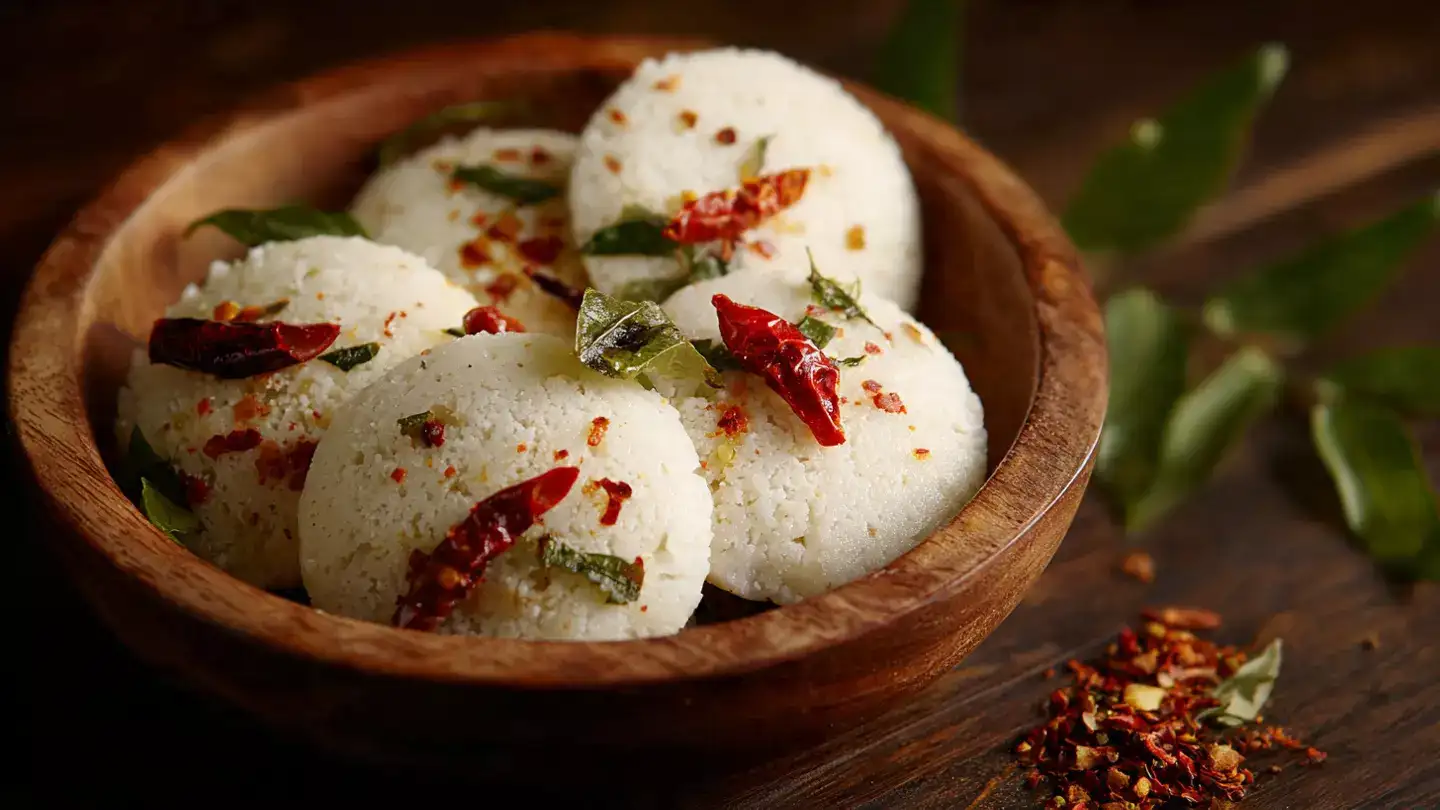
Wash the rice and lentils separately until the water runs clear. Soak them in sufficient water for at least four to six hours. Proper soaking ensures smoother grinding and better fermentation later.
The quality of urad dal plays a crucial role in achieving fluffy idlis. Fresh lentils tend to whip up better when ground, incorporating air into the batter and contributing to the soft texture.
Next, grind the rice to a slightly coarse texture. Unlike the dal, the rice batter should not be overly smooth. A slight graininess gives structure to the idlis.
Combine both batters in a large bowl and mix thoroughly using your hand. Mixing by hand is often recommended because the natural warmth can support fermentation. Add salt at this stage or after fermentation, depending on climate conditions.
The consistency of the batter should be thick yet pourable. It should drop slowly from a spoon without being watery. This balance is key to making steamed idlis at home that are neither dense nor flat.
The batter is ready when it has risen noticeably and appears bubbly with a mild sour aroma. Avoid over-fermentation, as it can make the idlis too tangy and slightly sticky. Gently stir the batter once before pouring it into moulds, but do not overmix, as this can knock out the air.
Proper fermentation ensures that your South Indian breakfast staple turns out soft and light without the need for baking soda or other additives.
Heat water in a steamer or a large pot with a fitted rack. Once the water begins to boil, place the idli stand inside and cover with a tight lid. Steam on medium heat for about ten to twelve minutes.
Avoid opening the lid frequently, as this can cause temperature fluctuations and affect texture. To check if the idlis are done, insert a toothpick or knife into one. If it comes out clean, they are ready.
Turn off the heat and let the idlis rest for a couple of minutes before removing them. This prevents them from sticking and helps retain their shape. Use a spoon dipped in water to gently lift them out.
Do not steam on very high heat, as excessive heat can make the idlis dry. Moderate, steady steam creates the ideal environment for fluffy idlis.
Fresh batter yields the best results, but if you need to refrigerate it, bring it back to room temperature before steaming. Cold batter does not rise well in the steamer.
Making fluffy idlis made perfectly in a steamer is not complicated once you understand the science behind it. With the right ingredients, careful fermentation and gentle steaming, you can recreate the authentic taste and texture of this beloved South Indian breakfast in your own kitchen. Soft, warm and comforting, homemade idlis are always worth the effort.
Image Courtesy: Meta AI
Choosing The Right Ingredients For Soft Idlis
The foundation of any good idli recipe lies in its ingredients. Traditionally, idlis are made using parboiled rice and split urad dal. The usual proportion is about three parts rice to one part urad dal. Some cooks add a small spoon of fenugreek seeds while soaking the lentils, which helps with fermentation and adds a subtle flavour.Wash the rice and lentils separately until the water runs clear. Soak them in sufficient water for at least four to six hours. Proper soaking ensures smoother grinding and better fermentation later.
The quality of urad dal plays a crucial role in achieving fluffy idlis. Fresh lentils tend to whip up better when ground, incorporating air into the batter and contributing to the soft texture.
Grinding And Preparing The Batter
After soaking, grind the urad dal first. Use minimal water and grind until it becomes light and fluffy. The batter should feel airy and almost double in volume. This step is essential for soft idli batter , as the trapped air helps the idlis rise during steaming.Next, grind the rice to a slightly coarse texture. Unlike the dal, the rice batter should not be overly smooth. A slight graininess gives structure to the idlis.
Combine both batters in a large bowl and mix thoroughly using your hand. Mixing by hand is often recommended because the natural warmth can support fermentation. Add salt at this stage or after fermentation, depending on climate conditions.
The consistency of the batter should be thick yet pourable. It should drop slowly from a spoon without being watery. This balance is key to making steamed idlis at home that are neither dense nor flat.
The Art Of Fermentation
Fermentation is what transforms a simple mixture of rice and lentils into fluffy idlis. Cover the bowl loosely and keep it in a warm place for eight to twelve hours. In cooler weather, fermentation may take longer.The batter is ready when it has risen noticeably and appears bubbly with a mild sour aroma. Avoid over-fermentation, as it can make the idlis too tangy and slightly sticky. Gently stir the batter once before pouring it into moulds, but do not overmix, as this can knock out the air.
Proper fermentation ensures that your South Indian breakfast staple turns out soft and light without the need for baking soda or other additives.
Steaming Idlis To Perfection
Grease the idli moulds lightly with oil. Pour the batter into each cavity, filling them about three-quarters full to allow space for rising.Heat water in a steamer or a large pot with a fitted rack. Once the water begins to boil, place the idli stand inside and cover with a tight lid. Steam on medium heat for about ten to twelve minutes.
Avoid opening the lid frequently, as this can cause temperature fluctuations and affect texture. To check if the idlis are done, insert a toothpick or knife into one. If it comes out clean, they are ready.
You may also like
- If you need a free gas cylinder before Holi, do this immediately. Find out who will benefit.
- Banks will be closed for 18 days in March 2026; see the full list of holidays.
- The Central Bank of India has issued a notification for 275 Specialist Officer (SO) positions, with the last date for applications being March 23rd
- Charging your phone with a laptop can be costly; a single mistake can result in a loss of lakhs
- Bella Hadid brings back a 1998 Dior masterpiece for Orebella launch
Turn off the heat and let the idlis rest for a couple of minutes before removing them. This prevents them from sticking and helps retain their shape. Use a spoon dipped in water to gently lift them out.
Common Mistakes To Avoid
Using too much water while grinding can result in flat and sticky idlis. Similarly, insufficient fermentation leads to dense texture. Always ensure the batter has risen well before steaming.Do not steam on very high heat, as excessive heat can make the idlis dry. Moderate, steady steam creates the ideal environment for fluffy idlis.
Fresh batter yields the best results, but if you need to refrigerate it, bring it back to room temperature before steaming. Cold batter does not rise well in the steamer.
Serving Fluffy Idlis The Right Way
Fluffy idlis taste best when served hot with coconut chutney and sambar. Their mild flavour pairs beautifully with spicy accompaniments. You can also drizzle a little ghee on top for added richness.Making fluffy idlis made perfectly in a steamer is not complicated once you understand the science behind it. With the right ingredients, careful fermentation and gentle steaming, you can recreate the authentic taste and texture of this beloved South Indian breakfast in your own kitchen. Soft, warm and comforting, homemade idlis are always worth the effort.
Image Courtesy: Meta AI






More from our partners


Loving Newspoint? Download the app now
