
How To Make Traditional Karela Sabzi Without Bitterness At Home

How To Cook Karela Sabzi Without Bitter Taste Using Traditional Methods: Karela sabzi is widely known for its health benefits, yet its naturally bitter taste often discourages many people from enjoying it regularly. Traditional cooking methods now focus on reducing bitterness while preserving the vegetable’s nutritional value. Traditional karela sabzi without bitterness has gained popularity as families look for healthier home-cooked meal options that do not compromise on taste. The dish is especially valued in vegetarian households where vegetables play an important role in daily nutrition. Modern home cooks are rediscovering age-old techniques that make this vegetable more palatable without using excessive oil or artificial flavouring agents. This balance between health and taste has helped revive interest in traditional cooking practices.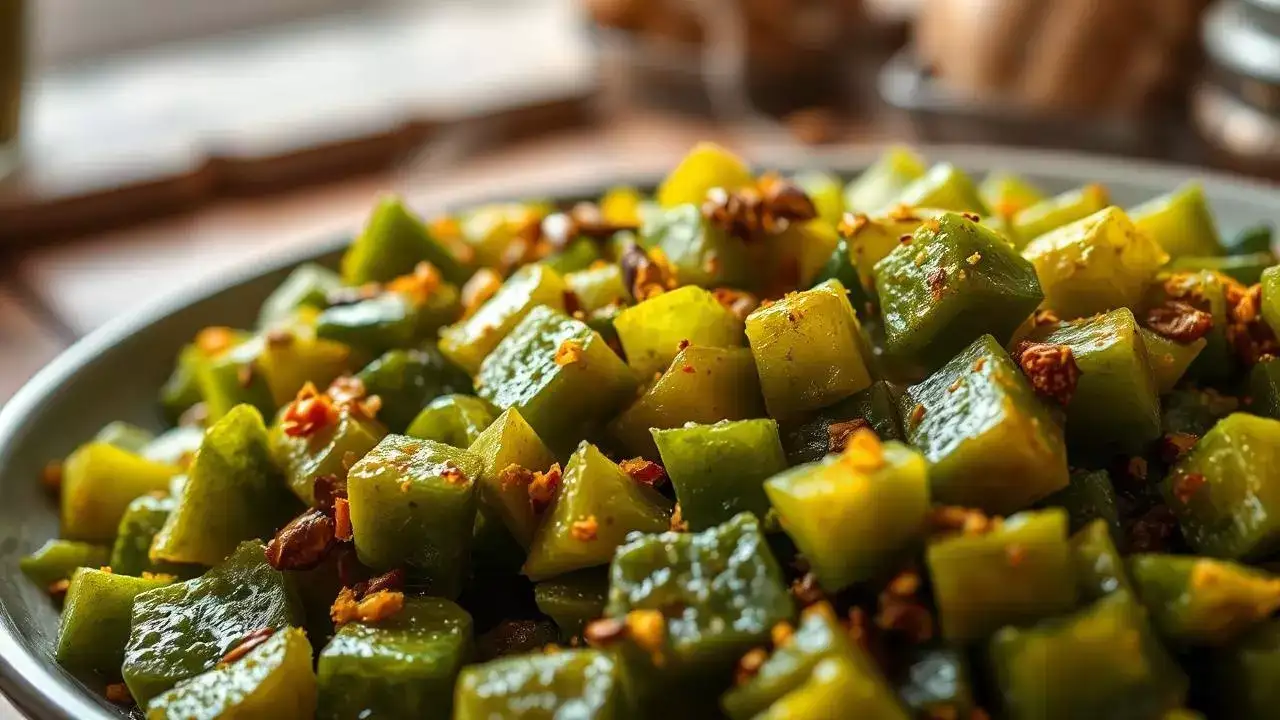
Many traditional cooks slice the karela and sprinkle salt over the pieces. The salt helps draw out bitter juices naturally. After resting for around fifteen to twenty minutes, the karela slices are squeezed gently and washed again. This step removes excess bitterness while keeping the vegetable firm. Some households also soak sliced karela in diluted salt water for a short time before cooking.
Adding a small amount of jaggery or sugar during cooking is a traditional method used in many households. This does not make the dish sweet but helps balance the bitter notes. Some families also add finely chopped onions which release natural sweetness while cooking. This combination creates a more rounded flavour profile without overpowering the vegetable’s natural characteristics.
Garlic and ginger paste is sometimes added for extra depth of flavour. However, traditional recipes usually focus on keeping spice levels moderate. Too many spices can overpower the vegetable and defeat the purpose of preparing a simple home-style sabzi. The goal is to create a balanced taste where bitterness is present but not overwhelming.
The vegetable is also valued in traditional cooking because of its low calorie content. This makes it suitable for people looking to maintain healthy body weight. When cooked using traditional low-oil methods, the dish becomes even healthier. Home cooking methods help preserve nutrients better than heavy frying techniques.
The recipe is also popular because it is economical and easy to prepare. Karela is widely available in local markets throughout the year. This makes it a practical vegetable choice for daily cooking. The dish also works well as a side dish with roti or rice meals.
The growing awareness of healthy eating habits continues to drive interest in traditional vegetable dishes. Traditional karela sabzi without bitterness proves that healthy food can also be flavourful and satisfying. By using simple cooking techniques, families can enjoy this nutritious vegetable more frequently without compromising taste preferences.
Choosing And Preparing Karela Correctly
Selecting fresh karela is the first step in reducing bitterness. Smaller and medium-sized karela are usually preferred as they tend to be less bitter than larger ones. Fresh vegetables also have smoother skin and firmer texture. Before cooking, karela should be washed thoroughly to remove dirt and impurities.Many traditional cooks slice the karela and sprinkle salt over the pieces. The salt helps draw out bitter juices naturally. After resting for around fifteen to twenty minutes, the karela slices are squeezed gently and washed again. This step removes excess bitterness while keeping the vegetable firm. Some households also soak sliced karela in diluted salt water for a short time before cooking.
Traditional Cooking Techniques To Reduce Bitterness
Cooking techniques play an important role in improving flavour. Slow sautéing is commonly used to reduce bitterness while enhancing natural taste. Karela is usually cooked on medium heat with mustard oil, which adds a strong flavour that complements the vegetable’s natural profile.Adding a small amount of jaggery or sugar during cooking is a traditional method used in many households. This does not make the dish sweet but helps balance the bitter notes. Some families also add finely chopped onions which release natural sweetness while cooking. This combination creates a more rounded flavour profile without overpowering the vegetable’s natural characteristics.
Spice Blending For Balanced Flavour
Spices are used carefully in this dish to avoid masking the natural taste of karela. Turmeric, cumin seeds and coriander powder are commonly used in small quantities. These spices enhance aroma without making the dish overly spicy.Garlic and ginger paste is sometimes added for extra depth of flavour. However, traditional recipes usually focus on keeping spice levels moderate. Too many spices can overpower the vegetable and defeat the purpose of preparing a simple home-style sabzi. The goal is to create a balanced taste where bitterness is present but not overwhelming.
Nutritional Benefits Of Regular Karela Consumption
Karela is known for being a nutrient-rich vegetable that supports healthy eating habits. It contains fibre, vitamins and natural compounds that are beneficial for digestion. Many families include karela sabzi in their weekly meal plans as part of a balanced diet.The vegetable is also valued in traditional cooking because of its low calorie content. This makes it suitable for people looking to maintain healthy body weight. When cooked using traditional low-oil methods, the dish becomes even healthier. Home cooking methods help preserve nutrients better than heavy frying techniques.
Modern Families Reviving Traditional Recipes
Urban households are showing renewed interest in traditional vegetable recipes. Traditional karela sabzi without bitterness represents this shift towards healthier home cooking. Young cooks are learning these techniques from family members and online cooking communities.The recipe is also popular because it is economical and easy to prepare. Karela is widely available in local markets throughout the year. This makes it a practical vegetable choice for daily cooking. The dish also works well as a side dish with roti or rice meals.
The growing awareness of healthy eating habits continues to drive interest in traditional vegetable dishes. Traditional karela sabzi without bitterness proves that healthy food can also be flavourful and satisfying. By using simple cooking techniques, families can enjoy this nutritious vegetable more frequently without compromising taste preferences.
Next Story