
How To Make Your Travel Money Go Further With Smart Planning And Practical Budget Saving Strategies

Travelling is one of life’s most rewarding experiences, offering the chance to explore new cultures, taste different cuisines, and create lasting memories. However, managing travel expenses can often be challenging, especially when visiting multiple destinations or travelling for extended periods. Many people assume that travelling requires a large budget, but with the right approach, it is entirely possible to make your travel money go further without sacrificing comfort or enjoyment. Smart planning, mindful spending, and practical strategies can significantly extend your budget while enhancing your overall travel experience.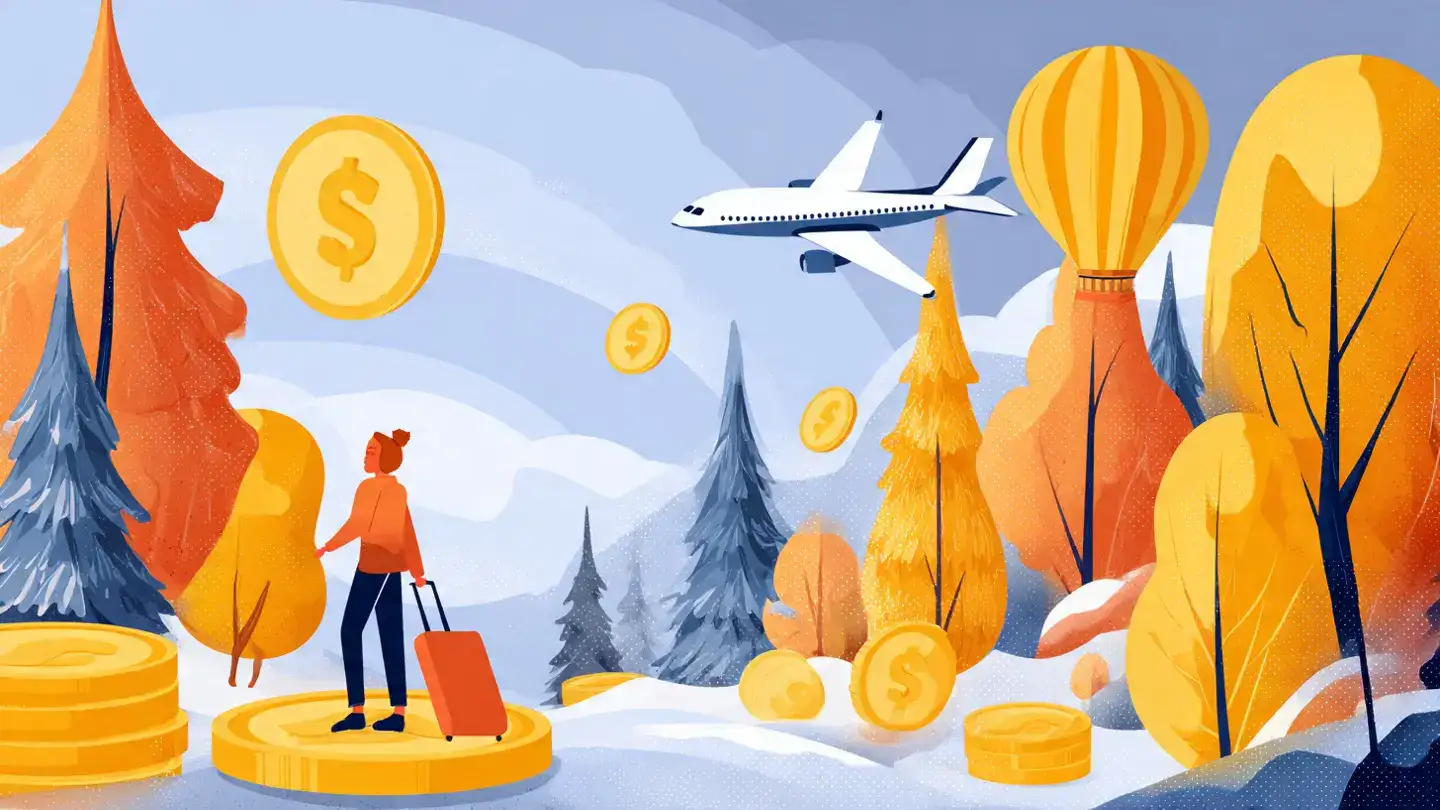
Creating a daily spending limit helps keep expenses under control and prevents overspending. Breaking down costs into categories also makes it easier to track where your money is going.
Affordable travel planning begins with research. Understanding the cost of living in your chosen destination helps set realistic expectations and avoid unnecessary surprises.
Booking in advance or during off-peak seasons can lead to significant savings. In many destinations, staying slightly outside the city centre can also reduce costs while still offering convenient access to public transport.
For longer stays, serviced apartments or shared accommodations can provide better value and additional facilities such as kitchens, helping reduce food expenses as well.
One of the most effective budget travel tips is to avoid dining in heavily commercialised tourist areas, where prices are usually inflated. Instead, exploring neighbourhood eateries can offer both savings and a richer cultural experience.
Carrying snacks, drinking tap water where safe, and occasionally preparing simple meals can also help reduce daily food costs.
Many cities offer travel cards or passes that allow unlimited journeys within a fixed period, making them ideal for tourists. Walking or cycling for short distances is another excellent way to save money while exploring at a relaxed pace.
Planning routes in advance and combining multiple destinations in one trip helps minimise unnecessary travel expenses.
Prioritising activities that provide the most value ensures a balanced travel experience. Instead of booking every paid attraction, mixing free experiences with a few paid highlights helps maintain both enjoyment and affordability.
Researching discounts, online deals, and city passes can also significantly reduce sightseeing costs.
Setting a clear spending limit for non-essential purchases helps maintain financial discipline. It is also helpful to ask whether a purchase adds real value to the trip or is simply an emotional decision in the moment.
Being mindful of spending habits ensures that funds are used for meaningful experiences rather than unnecessary expenses.
Popular destinations tend to be more expensive during holidays and peak tourist periods. Choosing alternative dates can offer the same experience at a significantly reduced cost, along with fewer crowds and a more relaxed atmosphere.
Flexibility in travel dates is one of the most effective ways to maximise savings.
Student discounts, group offers, and early booking deals are also worth exploring. These small savings collectively make a noticeable difference in overall travel expenses.
Using digital tools and apps that compare prices can further help in finding the best available deals.
Learning how to make your travel money go further is not about limiting experiences but about making smarter decisions. With careful planning, flexible choices, and mindful spending, travellers can explore more destinations without financial stress.
By focusing on value rather than cost alone, it becomes possible to enjoy richer, more meaningful journeys. Smart budgeting allows you to travel longer, experience more, and create unforgettable memories while staying comfortably within your means.
Image Courtesy: Meta AI
Start With A Clear Travel Budget Plan
The foundation of any successful trip is a well-structured budget. Before setting off, it is important to estimate how much money will be required for accommodation, transport, food, activities, and emergencies.Creating a daily spending limit helps keep expenses under control and prevents overspending. Breaking down costs into categories also makes it easier to track where your money is going.
Affordable travel planning begins with research. Understanding the cost of living in your chosen destination helps set realistic expectations and avoid unnecessary surprises.
Choose Accommodation Wisely
Accommodation often takes up a large portion of a travel budget, so choosing the right option is crucial. Hostels, budget hotels, and homestays are excellent alternatives to expensive luxury stays.Booking in advance or during off-peak seasons can lead to significant savings. In many destinations, staying slightly outside the city centre can also reduce costs while still offering convenient access to public transport.
For longer stays, serviced apartments or shared accommodations can provide better value and additional facilities such as kitchens, helping reduce food expenses as well.
Save Smartly On Food Expenses
Food is another major expense while travelling, but there are several ways to enjoy local cuisine without overspending. Eating at local restaurants or street food stalls often provides authentic meals at a fraction of the price of tourist-oriented eateries.One of the most effective budget travel tips is to avoid dining in heavily commercialised tourist areas, where prices are usually inflated. Instead, exploring neighbourhood eateries can offer both savings and a richer cultural experience.
Carrying snacks, drinking tap water where safe, and occasionally preparing simple meals can also help reduce daily food costs.
Use Affordable And Efficient Transport Options
Transport costs can quickly add up if not managed carefully. Public transport such as buses, trains, and metros is usually far more economical than taxis or private rides.Many cities offer travel cards or passes that allow unlimited journeys within a fixed period, making them ideal for tourists. Walking or cycling for short distances is another excellent way to save money while exploring at a relaxed pace.
Planning routes in advance and combining multiple destinations in one trip helps minimise unnecessary travel expenses.
Be Smart With Activities And Sightseeing
Travellers often spend a significant portion of their budget on attractions and activities. However, many destinations offer free or low-cost experiences such as museums, parks, walking tours, and cultural events.Prioritising activities that provide the most value ensures a balanced travel experience. Instead of booking every paid attraction, mixing free experiences with a few paid highlights helps maintain both enjoyment and affordability.
Researching discounts, online deals, and city passes can also significantly reduce sightseeing costs.
Avoid Unnecessary And Impulse Spending
One of the biggest challenges while travelling is impulse spending. Souvenirs, luxury items, and unplanned activities can quickly drain your budget.Setting a clear spending limit for non-essential purchases helps maintain financial discipline. It is also helpful to ask whether a purchase adds real value to the trip or is simply an emotional decision in the moment.
Being mindful of spending habits ensures that funds are used for meaningful experiences rather than unnecessary expenses.
Travel During The Right Season
Timing plays a crucial role in how far your travel money can stretch. Travelling during off-peak or shoulder seasons often results in lower prices for flights, accommodation, and activities.Popular destinations tend to be more expensive during holidays and peak tourist periods. Choosing alternative dates can offer the same experience at a significantly reduced cost, along with fewer crowds and a more relaxed atmosphere.
Flexibility in travel dates is one of the most effective ways to maximise savings.
Make Use Of Travel Rewards And Discounts
Many travellers overlook loyalty programmes, discount cards, and reward points that can help reduce travel costs. Airline miles, hotel memberships, and travel credit card benefits can add up over time.Student discounts, group offers, and early booking deals are also worth exploring. These small savings collectively make a noticeable difference in overall travel expenses.
Using digital tools and apps that compare prices can further help in finding the best available deals.
Learning how to make your travel money go further is not about limiting experiences but about making smarter decisions. With careful planning, flexible choices, and mindful spending, travellers can explore more destinations without financial stress.
By focusing on value rather than cost alone, it becomes possible to enjoy richer, more meaningful journeys. Smart budgeting allows you to travel longer, experience more, and create unforgettable memories while staying comfortably within your means.
Image Courtesy: Meta AI
Next Story