
How To Master Backpacking On A Budget With Simple And Effective Money Saving Travel Strategies

Travelling is one of the most enriching experiences in life, offering exposure to new cultures, landscapes, and perspectives. However, many people believe that travel requires a large budget, which often holds them back from exploring the world. The truth is that with smart planning and the right strategies, backpacking on a budget can be both enjoyable and affordable. By making informed choices, travellers can stretch their money further while still experiencing memorable adventures.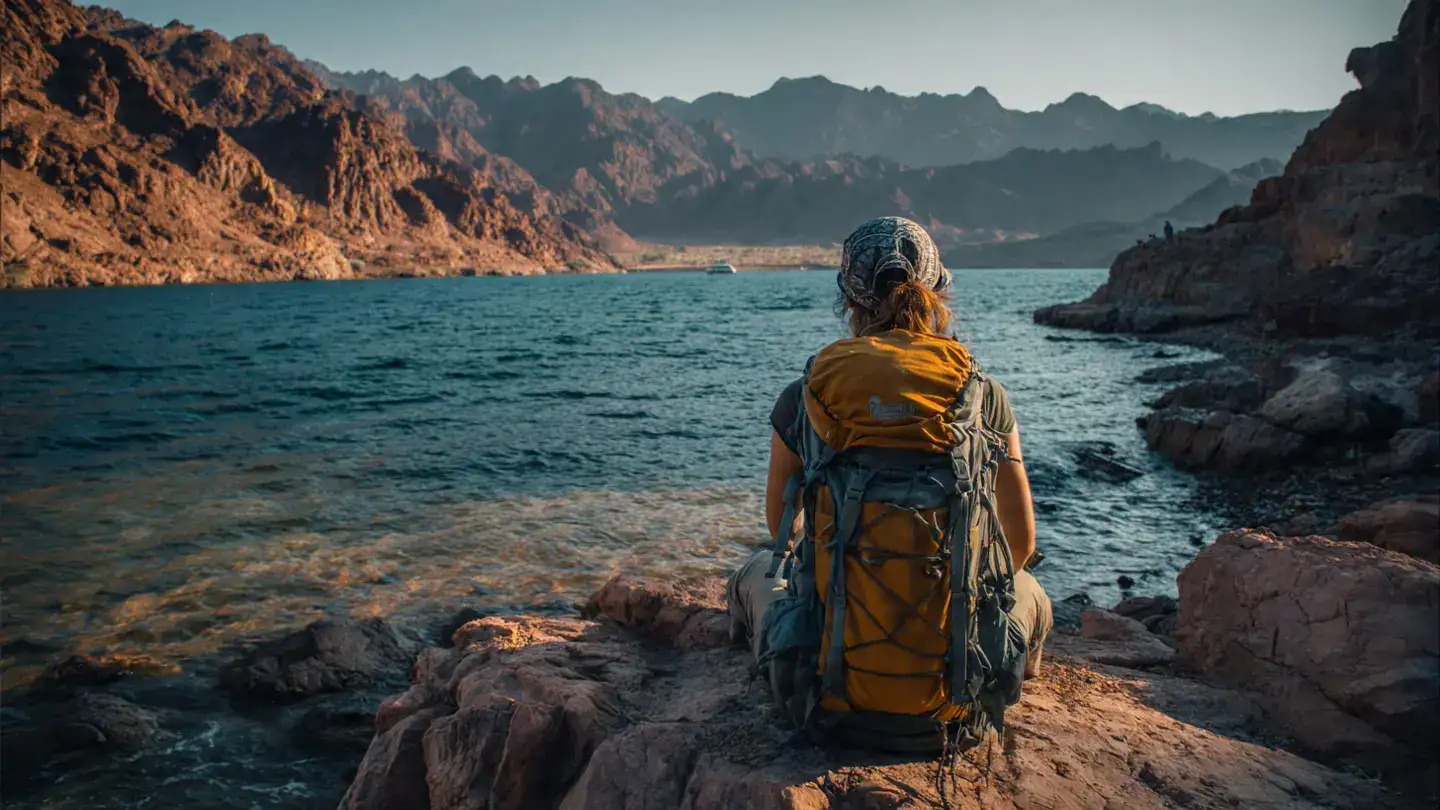
Researching destinations in advance helps identify affordable locations, seasonal price variations, and cost-effective travel routes. Booking flights and accommodation early often leads to better deals, reducing overall expenses significantly.
Creating a flexible itinerary is also important. While structure is useful, allowing room for adjustments can help take advantage of unexpected opportunities or cheaper alternatives during the trip.
Another option is budget guesthouses or homestays, which often offer a more local experience at reasonable rates. Platforms offering short-term rentals can also be useful if booked in advance or during off-peak seasons.
For more adventurous travellers, camping or staying in designated budget-friendly lodges can further reduce costs while adding a unique experience to the journey.
Carrying reusable water bottles and light snacks can also help avoid unnecessary spending during long travel days. In some cases, choosing accommodation with kitchen facilities allows travellers to cook their own meals, further reducing costs.
Balancing occasional dining experiences with budget-friendly food choices ensures both enjoyment and savings.
Booking transport tickets in advance often results in lower fares. For longer journeys, overnight buses or trains can save both money and accommodation costs.
Walking or cycling within cities not only saves money but also provides a more immersive experience of the destination.
Lightweight clothing, multi-purpose items, and travel-sized essentials can reduce both weight and cost. A well-packed backpack ensures flexibility and eliminates the need for unnecessary purchases during the trip.
It is also helpful to carry basic first-aid supplies and reusable items such as water bottles and cutlery to avoid additional expenses on the road.
Exploring local markets, historical sites, and natural landscapes can provide enriching experiences without heavy spending. Engaging with local communities often leads to discovering hidden gems that are not listed in tourist guides.
Choosing meaningful experiences over costly entertainment helps maintain both budget and satisfaction.
Using digital tools or simple tracking methods can provide clarity on where money is being spent. Carrying a mix of payment methods, including cash and cards, ensures flexibility and safety.
Avoiding unnecessary purchases and sticking to planned expenses helps extend the travel duration without financial stress.
Sometimes last-minute deals or alternative routes can offer significant savings. Embracing spontaneity while staying mindful of expenses creates a balanced travel experience.
Flexibility also allows travellers to explore less popular destinations, which are often more affordable and less crowded.
Backpacking on a budget is not about limiting experiences but about making smarter choices. With thoughtful planning, careful spending, and a flexible mindset, it is possible to travel extensively without financial strain.
By applying these cheap travel hacks , travellers can enjoy rich cultural experiences, meet new people, and explore diverse destinations while keeping costs under control. Budget travel encourages creativity, independence, and a deeper connection with the places visited, making every journey more meaningful and rewarding.
Image Courtesy: Meta AI
Planning Is The Foundation Of Budget Backpacking
Successful budget travel begins long before the journey starts. Proper planning allows travellers to estimate costs, avoid unnecessary expenses, and make the most of available resources.Researching destinations in advance helps identify affordable locations, seasonal price variations, and cost-effective travel routes. Booking flights and accommodation early often leads to better deals, reducing overall expenses significantly.
Creating a flexible itinerary is also important. While structure is useful, allowing room for adjustments can help take advantage of unexpected opportunities or cheaper alternatives during the trip.
Choosing Affordable Accommodation Options
Accommodation is one of the biggest expenses while travelling, but there are several ways to reduce this cost. Hostels are a popular choice among backpackers, offering shared spaces at significantly lower prices. They also provide opportunities to meet fellow travellers.Another option is budget guesthouses or homestays, which often offer a more local experience at reasonable rates. Platforms offering short-term rentals can also be useful if booked in advance or during off-peak seasons.
For more adventurous travellers, camping or staying in designated budget-friendly lodges can further reduce costs while adding a unique experience to the journey.
Smart Food Choices While Travelling
Food expenses can quickly add up, especially in tourist-heavy areas. One of the most effective budget travel tips is to eat where locals eat. Street food and small local eateries often offer delicious meals at much lower prices compared to tourist restaurants.Carrying reusable water bottles and light snacks can also help avoid unnecessary spending during long travel days. In some cases, choosing accommodation with kitchen facilities allows travellers to cook their own meals, further reducing costs.
Balancing occasional dining experiences with budget-friendly food choices ensures both enjoyment and savings.
Transport Hacks For Cost-Effective Travel
Transport is another major area where savings can be made. Instead of relying on taxis or private transport, using public transportation such as buses, trains, or shared rides can significantly reduce costs.Booking transport tickets in advance often results in lower fares. For longer journeys, overnight buses or trains can save both money and accommodation costs.
Walking or cycling within cities not only saves money but also provides a more immersive experience of the destination.
Packing Smart To Avoid Extra Costs
Efficient packing plays a key role in backpacking on a budget. Carrying only essential items helps avoid excess baggage fees and makes travel more convenient.Lightweight clothing, multi-purpose items, and travel-sized essentials can reduce both weight and cost. A well-packed backpack ensures flexibility and eliminates the need for unnecessary purchases during the trip.
It is also helpful to carry basic first-aid supplies and reusable items such as water bottles and cutlery to avoid additional expenses on the road.
Making Use Of Free And Low-Cost Activities
Travelling does not always require expensive tours or attractions. Many destinations offer free or low-cost activities such as walking tours, public parks, museums with free entry days, and cultural festivals.Exploring local markets, historical sites, and natural landscapes can provide enriching experiences without heavy spending. Engaging with local communities often leads to discovering hidden gems that are not listed in tourist guides.
Choosing meaningful experiences over costly entertainment helps maintain both budget and satisfaction.
Managing Money Wisely During Travel
Financial discipline is essential for affordable backpacking guide practices. Setting a daily budget helps track expenses and avoid overspending.Using digital tools or simple tracking methods can provide clarity on where money is being spent. Carrying a mix of payment methods, including cash and cards, ensures flexibility and safety.
Avoiding unnecessary purchases and sticking to planned expenses helps extend the travel duration without financial stress.
Staying Flexible And Open To Change
One of the most important aspects of budget travel is flexibility. Prices, availability, and plans may change during the journey, and being open to adjustments can lead to better opportunities.Sometimes last-minute deals or alternative routes can offer significant savings. Embracing spontaneity while staying mindful of expenses creates a balanced travel experience.
Flexibility also allows travellers to explore less popular destinations, which are often more affordable and less crowded.
Backpacking on a budget is not about limiting experiences but about making smarter choices. With thoughtful planning, careful spending, and a flexible mindset, it is possible to travel extensively without financial strain.
By applying these cheap travel hacks , travellers can enjoy rich cultural experiences, meet new people, and explore diverse destinations while keeping costs under control. Budget travel encourages creativity, independence, and a deeper connection with the places visited, making every journey more meaningful and rewarding.
Image Courtesy: Meta AI
Next Story