
How To Pack Lunches That Stay Fresh Longer Without Losing Taste, Texture And Nutrition

Packing a lunch that still tastes fresh by midday can often feel like a challenge, especially during busy workdays, school hours or long commutes. Sandwiches turn soggy, salads lose their crunch and warm dishes may no longer feel appetising after a few hours. The good news is that a few smart lunch packing habits can make a major difference. By focusing on food temperature, moisture control, ingredient placement and container quality, you can ensure that your homemade meals stay safe, flavourful and enjoyable for longer. Whether you are preparing lunches for children, office days or travel, these practical methods help preserve freshness while keeping your meals healthy and satisfying.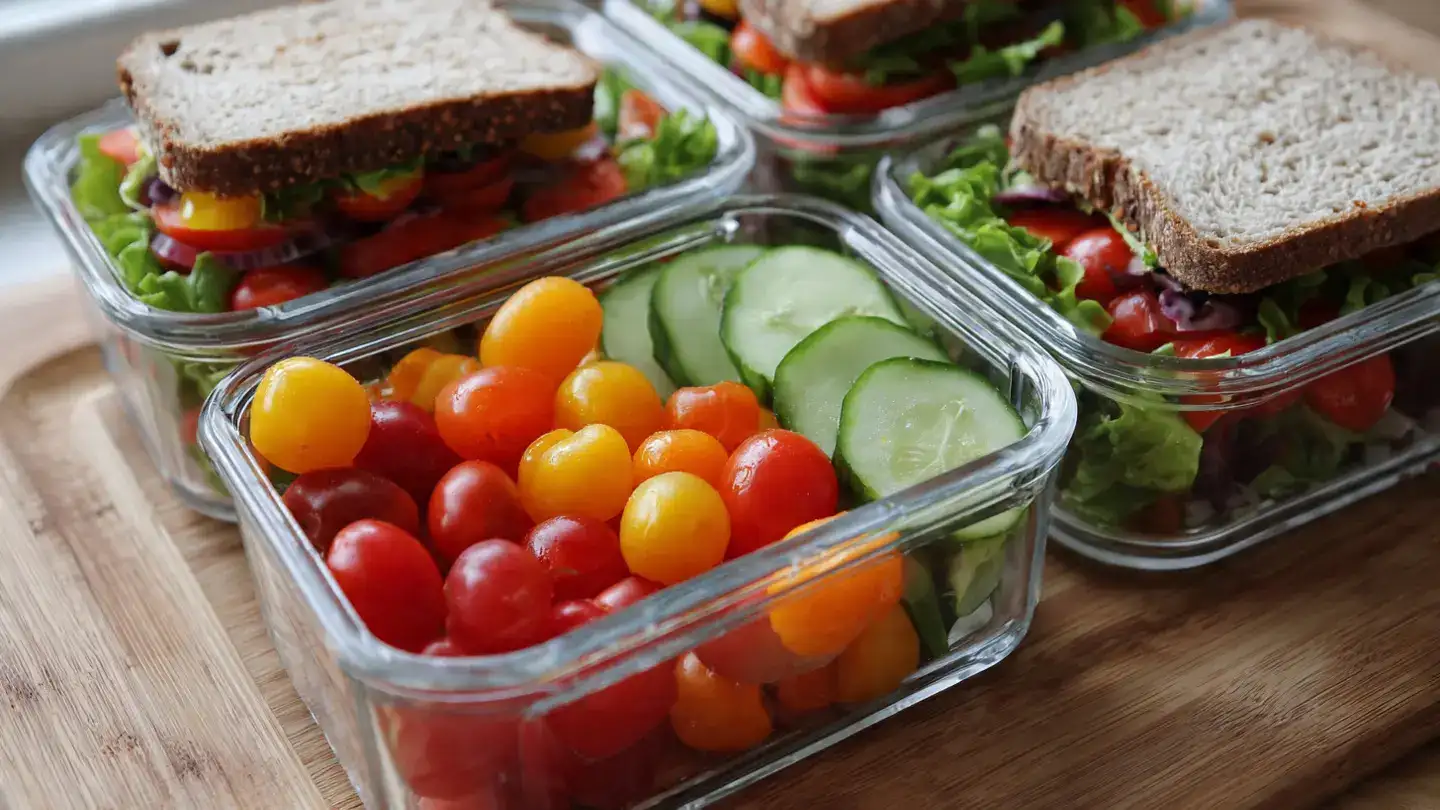
Choose containers that have separate sections for different food items. This keeps dry foods such as rotis, wraps, crackers or cut fruit away from moist dishes like curries, chutneys or dressings.
Insulated lunch boxes are especially useful for maintaining food temperature. They help warm meals stay pleasant for longer and also protect cold foods from heating up too quickly.
Glass containers with secure lids are another excellent choice for adults carrying office lunches, while BPA-free compartment lunch boxes work well for children’s school meals.
Allow cooked food to cool slightly before placing it into containers. This reduces condensation and helps preserve texture.
However, do not leave perishable food at room temperature for too long. Once the steam settles and the food is warm rather than piping hot, pack it promptly.
This simple step is one of the most effective food storage tips for keeping lunch fresh longer.
For sandwiches and wraps, place dry barriers like lettuce leaves, cheese slices or butter between bread and moist fillings. This prevents sauces, cucumber, tomato or spreads from soaking through.
In salads, always keep dressings separate until it is time to eat. Store them in tiny leak-proof containers and mix just before serving.
For rice bowls or pasta lunches, place heavier items at the bottom and delicate toppings like herbs, seeds or crunchy vegetables at the top.
These small lunch packing tips help maintain texture and make meals feel freshly assembled.
Use reusable ice packs for foods like yoghurt, fruit bowls, salads, sandwiches with mayonnaise or dairy-based dips. Place the ice pack directly next to the most perishable item.
If possible, store the lunch box in a cool bag rather than leaving it exposed in a backpack or car.
Frozen fruit pieces can also work as natural cooling elements. Grapes, berries or mango cubes help keep nearby foods cool while thawing into a refreshing side by lunchtime.
This method works particularly well for healthy packed lunch ideas during summer.
Opt for firmer vegetables like carrots, capsicum, cucumber sticks and cabbage instead of delicate greens that wilt quickly.
For fruits, apples, oranges, grapes and pomegranate seeds last longer than sliced bananas or pears.
When preparing wraps, choose slightly thicker spreads like hummus or hung curd instead of watery chutneys.
Dry sabzis, pulao, stuffed parathas and pasta salads are excellent meal prep for lunch choices because they retain texture and flavour well over several hours.
The easiest fix is to separate wet and dry foods into different compartments.
Pack chutneys, dips, curry gravies and dressings in mini containers. Keep crackers, roasted makhana, nuts or breadsticks separate until ready to eat.
Even simple meals like poha, upma or noodles taste fresher when garnished later with onions, sev, peanuts or herbs carried separately.
Fresh lunch box ideas often work best when the final assembly happens just before eating.
Avoid packing foods that spoil quickly without refrigeration unless you are using an insulated bag with cooling support.
Egg dishes, paneer preparations, dairy desserts and seafood-based lunches should be kept cold.
For hot meals, a preheated insulated flask works wonderfully. Simply rinse it with hot water before filling to help maintain warmth for longer.
Safe packing habits ensure that the food remains both tasty and hygienic.
A well-packed lunch can transform the midday meal experience. With the right containers, proper cooling, moisture control and ingredient selection, it becomes much easier to keep lunch fresh longer without compromising flavour or texture. These practical lunch packing tips not only reduce waste but also make homemade meals more enjoyable, whether for school, office or travel. With a little planning, every lunch box can feel as fresh and satisfying as a meal served straight from the kitchen.
Image Courtesy: Meta AI
Start With The Right Lunch Box And Containers
The foundation of a fresh lunch begins with the container itself. Investing in a good-quality lunch box with airtight compartments helps prevent air exposure, which is one of the biggest reasons food loses freshness quickly.Choose containers that have separate sections for different food items. This keeps dry foods such as rotis, wraps, crackers or cut fruit away from moist dishes like curries, chutneys or dressings.
Insulated lunch boxes are especially useful for maintaining food temperature. They help warm meals stay pleasant for longer and also protect cold foods from heating up too quickly.
Glass containers with secure lids are another excellent choice for adults carrying office lunches, while BPA-free compartment lunch boxes work well for children’s school meals.
Cool Food Before Packing
One of the most common lunch packing mistakes is sealing hot food immediately after cooking. While it may seem efficient, steam trapped inside the box creates moisture, which can make rice, rotis and sandwiches soggy.Allow cooked food to cool slightly before placing it into containers. This reduces condensation and helps preserve texture.
However, do not leave perishable food at room temperature for too long. Once the steam settles and the food is warm rather than piping hot, pack it promptly.
This simple step is one of the most effective food storage tips for keeping lunch fresh longer.
Use Smart Layering To Prevent Sogginess
Layering ingredients thoughtfully can completely change how fresh your lunch tastes later in the day.For sandwiches and wraps, place dry barriers like lettuce leaves, cheese slices or butter between bread and moist fillings. This prevents sauces, cucumber, tomato or spreads from soaking through.
In salads, always keep dressings separate until it is time to eat. Store them in tiny leak-proof containers and mix just before serving.
For rice bowls or pasta lunches, place heavier items at the bottom and delicate toppings like herbs, seeds or crunchy vegetables at the top.
These small lunch packing tips help maintain texture and make meals feel freshly assembled.
Keep Cold Foods Properly Chilled
Freshness is closely linked to temperature control, especially in warmer weather.Use reusable ice packs for foods like yoghurt, fruit bowls, salads, sandwiches with mayonnaise or dairy-based dips. Place the ice pack directly next to the most perishable item.
If possible, store the lunch box in a cool bag rather than leaving it exposed in a backpack or car.
Frozen fruit pieces can also work as natural cooling elements. Grapes, berries or mango cubes help keep nearby foods cool while thawing into a refreshing side by lunchtime.
This method works particularly well for healthy packed lunch ideas during summer.
Choose Ingredients That Naturally Stay Fresh
Some foods hold up better over time than others. Choosing ingredients wisely can make your lunch box stay fresh with minimal effort.Opt for firmer vegetables like carrots, capsicum, cucumber sticks and cabbage instead of delicate greens that wilt quickly.
For fruits, apples, oranges, grapes and pomegranate seeds last longer than sliced bananas or pears.
When preparing wraps, choose slightly thicker spreads like hummus or hung curd instead of watery chutneys.
Dry sabzis, pulao, stuffed parathas and pasta salads are excellent meal prep for lunch choices because they retain texture and flavour well over several hours.
Pack Wet And Dry Foods Separately
A major reason packed lunches lose appeal is moisture migration. Crispy snacks soften, bread absorbs fillings and fresh vegetables become limp.The easiest fix is to separate wet and dry foods into different compartments.
Pack chutneys, dips, curry gravies and dressings in mini containers. Keep crackers, roasted makhana, nuts or breadsticks separate until ready to eat.
Even simple meals like poha, upma or noodles taste fresher when garnished later with onions, sev, peanuts or herbs carried separately.
Fresh lunch box ideas often work best when the final assembly happens just before eating.
Don’t Forget Food Safety Basics
Freshness is not only about taste, but also about safe eating.Avoid packing foods that spoil quickly without refrigeration unless you are using an insulated bag with cooling support.
Egg dishes, paneer preparations, dairy desserts and seafood-based lunches should be kept cold.
For hot meals, a preheated insulated flask works wonderfully. Simply rinse it with hot water before filling to help maintain warmth for longer.
Safe packing habits ensure that the food remains both tasty and hygienic.
A well-packed lunch can transform the midday meal experience. With the right containers, proper cooling, moisture control and ingredient selection, it becomes much easier to keep lunch fresh longer without compromising flavour or texture. These practical lunch packing tips not only reduce waste but also make homemade meals more enjoyable, whether for school, office or travel. With a little planning, every lunch box can feel as fresh and satisfying as a meal served straight from the kitchen.
Image Courtesy: Meta AI
Next Story