
How To Photograph Your Dog Like A Pro And Capture Stunning, Emotion-Filled Pet Portraits At Home Or Outdoors With Ease

Photographing your dog can be one of the most rewarding creative experiences for any pet owner. Dogs are full of personality, energy and emotion, but capturing those qualities in a photograph is not always easy. Many people struggle with blurred shots, missed moments or uncooperative subjects that refuse to sit still. However, with the right approach, patience and a few simple techniques, you can learn how to photograph your dog like a pro and create images that truly reflect their character.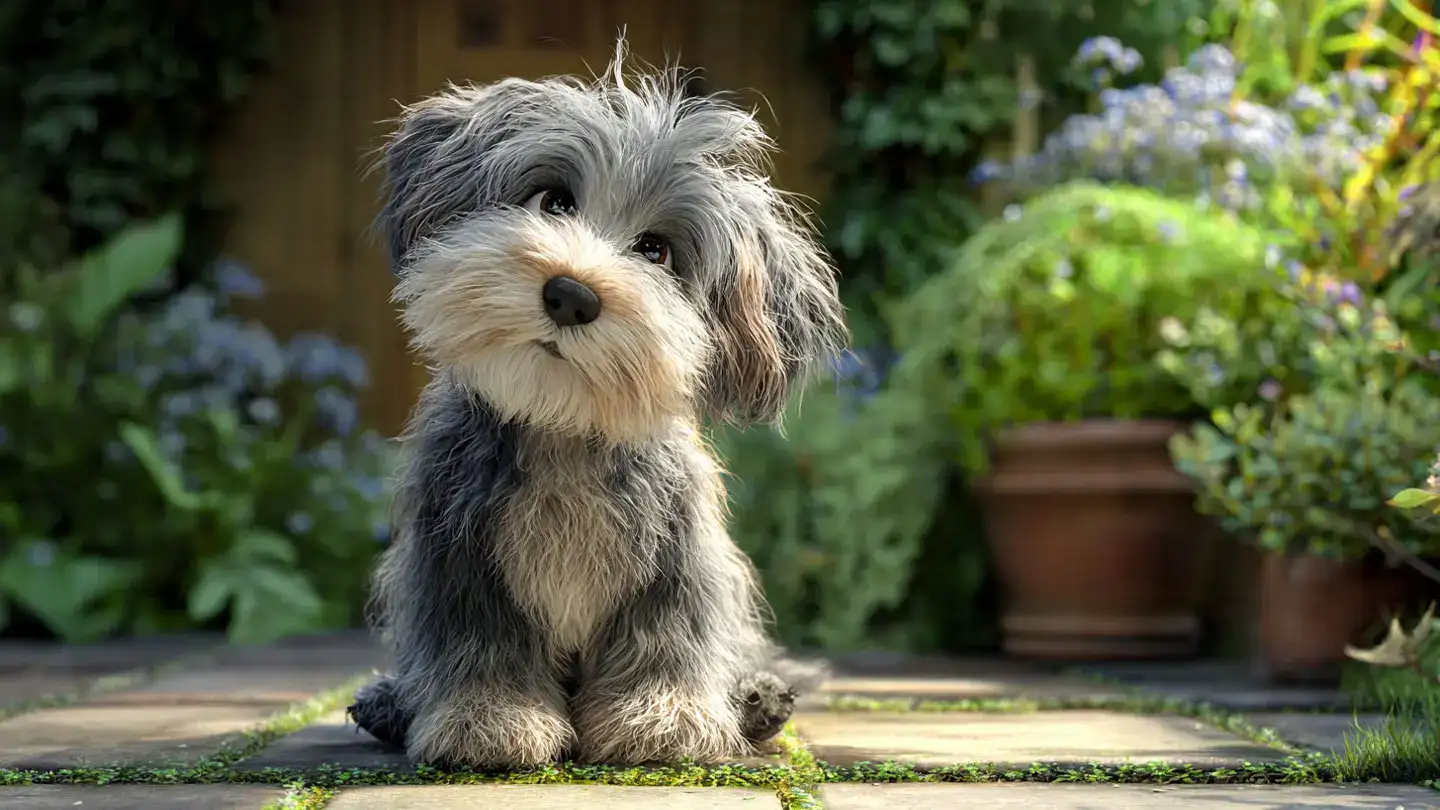
The key lies in understanding your dog’s behaviour, using natural light effectively and focusing on authentic moments rather than forced poses. Professional-looking pet photography does not always require expensive cameras. Often, it is about timing, perspective and connection with your subject.
For instance, active dogs are best photographed during play sessions, where their excitement naturally shows. Calm dogs, on the other hand, are ideal for close-up portraits where their eyes and expressions become the focal point. Understanding these traits is one of the most important dog photography tips that helps create meaningful and engaging images.
Avoid using strong artificial lighting or direct flash whenever possible, as it can startle your dog and create unnatural reflections in their eyes. Instead, position your dog near a window or in shaded outdoor areas where light is balanced and flattering.
Good lighting helps highlight your dog’s fur texture, eye detail and natural colours, giving your photos a professional finish without any complex equipment.
By lowering yourself to their height, you create a more intimate and connected perspective. This angle helps capture emotion and personality more effectively. Whether your dog is sitting, lying down or running, getting on their level ensures that the viewer feels part of the moment.
This approach is a fundamental step in learning how to photograph your dog in a way that feels natural and professional.
Use burst mode on your camera or smartphone to capture multiple frames in quick succession. This increases your chances of getting the perfect shot where expression, focus and movement align beautifully.
Candid shots often feel more authentic and emotionally engaging compared to staged photographs. They tell a story rather than just presenting a pose.
Familiar environments help your dog feel relaxed, which leads to more natural expressions. Outdoor spaces like parks or backyards are especially effective because they provide freedom of movement and natural backgrounds.
Keeping the environment simple ensures that your dog remains the main focus of the photograph, which is essential for professional dog photos .
Short shooting sessions work best, as dogs may lose interest or become distracted. Keeping the experience fun and relaxed ensures better results and a more enjoyable process for both you and your pet.
Over time, you will develop a sense of timing that allows you to anticipate expressions and actions, improving your photography significantly.
Subtle editing ensures that your dog’s personality remains authentic while improving overall visual appeal. This final step completes the process of learning how to photograph your dog like a pro.
Ultimately, great pet photography is about connection, patience and observation. When you focus on your dog’s personality and use simple techniques effectively, even everyday moments can turn into beautiful, lasting memories.
Image Courtesy: Meta AI
The key lies in understanding your dog’s behaviour, using natural light effectively and focusing on authentic moments rather than forced poses. Professional-looking pet photography does not always require expensive cameras. Often, it is about timing, perspective and connection with your subject.
Understanding Your Dog’s Personality Before Shooting
Every dog has a unique personality, and this plays a major role in photography. Some dogs are energetic and playful, while others are calm and observant. Before you begin shooting, spend time watching how your dog behaves in different environments. This helps you anticipate their movements and capture genuine expressions.For instance, active dogs are best photographed during play sessions, where their excitement naturally shows. Calm dogs, on the other hand, are ideal for close-up portraits where their eyes and expressions become the focal point. Understanding these traits is one of the most important dog photography tips that helps create meaningful and engaging images.
Choosing The Right Lighting For Natural Results
Lighting is one of the most important elements in pet photography at home or outdoors. Natural light works best for capturing soft and realistic images of your dog. Early morning or late afternoon light is ideal because it is gentle and warm, reducing harsh shadows and overexposure.Avoid using strong artificial lighting or direct flash whenever possible, as it can startle your dog and create unnatural reflections in their eyes. Instead, position your dog near a window or in shaded outdoor areas where light is balanced and flattering.
Good lighting helps highlight your dog’s fur texture, eye detail and natural colours, giving your photos a professional finish without any complex equipment.
Getting Down To Your Dog’s Level
One of the simplest yet most effective techniques in animal portrait photography is shooting from your dog’s eye level. Many beginners make the mistake of photographing dogs from above, which can make the subject look distant or less engaging.By lowering yourself to their height, you create a more intimate and connected perspective. This angle helps capture emotion and personality more effectively. Whether your dog is sitting, lying down or running, getting on their level ensures that the viewer feels part of the moment.
This approach is a fundamental step in learning how to photograph your dog in a way that feels natural and professional.
Capturing Movement And Candid Moments
Dogs are rarely still for long, which makes candid photography essential. Instead of trying to force poses, focus on capturing movement and spontaneous behaviour. Whether your dog is running, playing with a toy or simply looking around, these natural actions often produce the best results.Use burst mode on your camera or smartphone to capture multiple frames in quick succession. This increases your chances of getting the perfect shot where expression, focus and movement align beautifully.
Candid shots often feel more authentic and emotionally engaging compared to staged photographs. They tell a story rather than just presenting a pose.
Using Simple Props And Familiar Environments
You do not need elaborate setups to create stunning dog portraits. Simple props such as your dog’s favourite toy, a blanket or even a garden setting can add context and warmth to your images.Familiar environments help your dog feel relaxed, which leads to more natural expressions. Outdoor spaces like parks or backyards are especially effective because they provide freedom of movement and natural backgrounds.
Keeping the environment simple ensures that your dog remains the main focus of the photograph, which is essential for professional dog photos .
Patience And Timing Make The Difference
Perhaps the most important aspect of photographing dogs is patience. Unlike human subjects, dogs do not understand instructions, so timing becomes everything. Be ready to capture moments as they happen rather than trying to control every detail.Short shooting sessions work best, as dogs may lose interest or become distracted. Keeping the experience fun and relaxed ensures better results and a more enjoyable process for both you and your pet.
Over time, you will develop a sense of timing that allows you to anticipate expressions and actions, improving your photography significantly.
Editing To Enhance, Not Overpower
Once you have captured your images, simple editing can help enhance their quality. Adjusting brightness, contrast and sharpness can bring out details without making the photo look artificial. The goal is to enhance natural beauty rather than change it completely.Subtle editing ensures that your dog’s personality remains authentic while improving overall visual appeal. This final step completes the process of learning how to photograph your dog like a pro.
Ultimately, great pet photography is about connection, patience and observation. When you focus on your dog’s personality and use simple techniques effectively, even everyday moments can turn into beautiful, lasting memories.
Image Courtesy: Meta AI
Next Story