
How To Reduce Food Waste In Your Kitchen With Easy Everyday Changes

Ways To Reduce Food Waste In Your Kitchen Before It Costs You More Every Month: Food waste often begins with good intentions. Fresh vegetables are bought for healthy meals, fruits are stocked for the week, and leftovers are saved with the promise of eating them later. Yet busy schedules, poor storage habits and overbuying can quickly turn useful groceries into bin waste. The good news is that reducing food waste in your kitchen is easier than most people think. With a few thoughtful habits, households can save money, make groceries last longer and build more sustainable kitchen habits without changing their lifestyle drastically.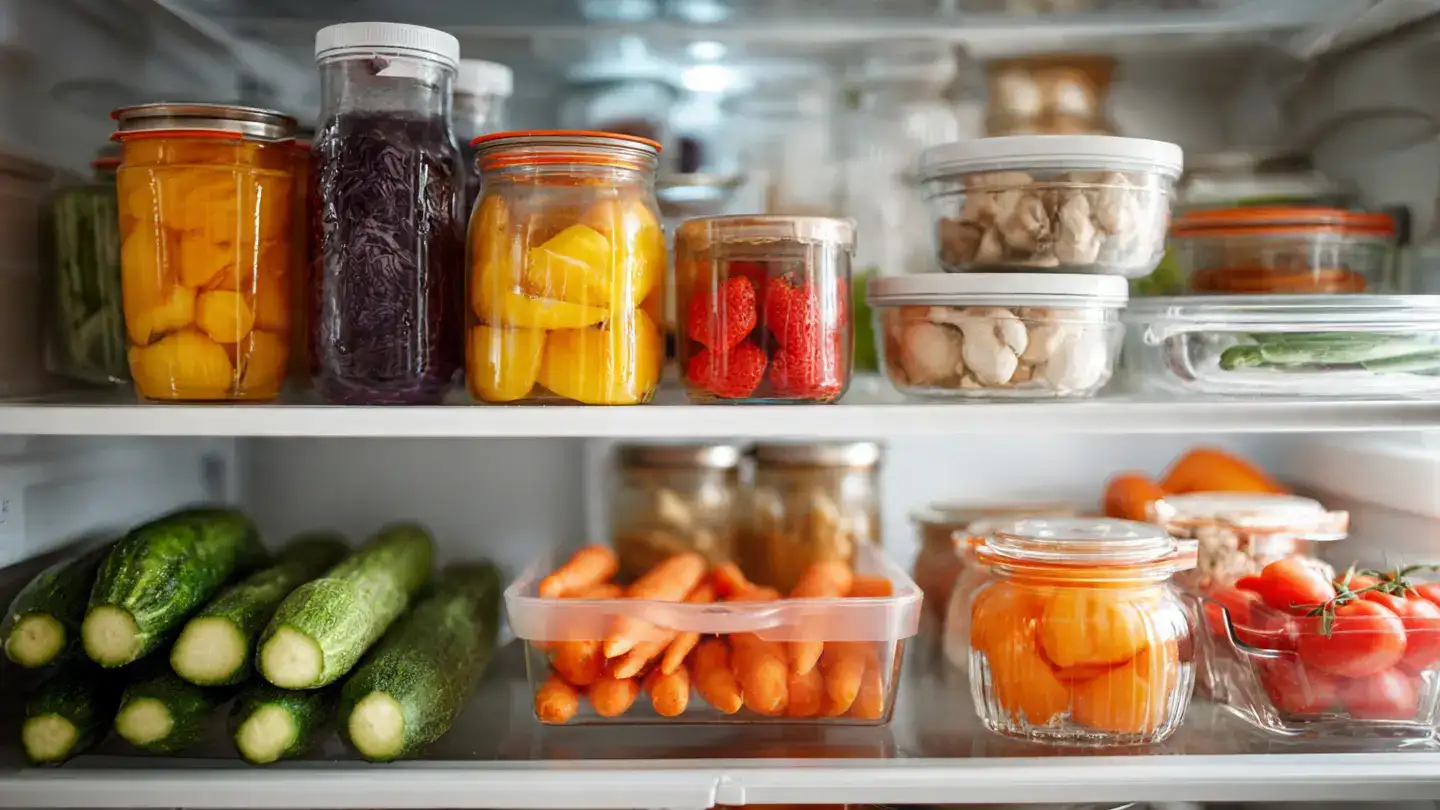
Check your fridge, freezer and pantry before making a grocery list. Many people buy duplicate ingredients because they forget what they already have. Planning meals around ingredients that are already available reduces waste and also helps save money on groceries .
Try designing flexible meals instead of highly specific recipes. For example, vegetables can be used in stir-fries, soups, wraps or pasta dishes, making it easier to use them before they spoil.
Leafy greens stay fresh longer when wrapped in a dry paper towel inside an airtight box. Herbs can be stored upright in a glass with a little water. Potatoes, onions and garlic should be kept in cool, dry spaces away from direct sunlight.
Proper food storage ideas also apply to leftovers. Use clear containers so that food remains visible. When meals are hidden at the back of the fridge, they are more likely to be forgotten.
This simple kitchen waste tip ensures ingredients bought earlier are used first. Milk cartons, yoghurt tubs, vegetables and sauces should all follow this rule.
A quick fridge check every evening can help you spot what needs to be used soon, preventing food from expiring unnoticed.
Roasted vegetables can be turned into sandwiches or soup. Extra rice works well in fried rice, cutlets or stuffed peppers. Slightly stale bread can become breadcrumbs, croutons or bread pudding.
Zero waste cooking often comes down to learning how to repurpose ingredients rather than throwing them away. This not only reduces waste but also saves cooking time during busy weekdays.
Dry goods, cereals, biscuits and many packaged foods remain fine even after the best before date if stored properly. Instead of discarding food automatically, inspect it carefully using smell, texture and appearance.
Learning this difference is a powerful way to reduce food waste and stop unnecessary disposal of usable groceries.
Bread, cooked curries, chopped vegetables, herbs, fruit pieces and even grated cheese freeze well. Portioning food into meal-sized packs makes it easy to use later.
This habit works especially well for busy families because it reduces last-minute takeaways and keeps ingredients available for quick meals.
Fruit that is becoming too ripe can be blended into smoothies, oats or baking batter. Citrus peels can even be used to naturally freshen kitchen bins.
These sustainable kitchen habits help households make the most of every ingredient while reducing the volume of waste going out daily.
A practical balance between value and realistic consumption is key. Buying what your household can finish in three to four days often works better than shopping for large weekly quantities.
This method supports better freshness, less waste and smarter budgeting.
Reducing food waste in your kitchen is ultimately about awareness rather than perfection. Small actions such as meal planning, better storage, creative leftovers and smart shopping can make a noticeable difference. Over time, these simple habits build a more organised kitchen, lower grocery bills and a more sustainable home routine. The best part is that every saved ingredient is both money preserved and waste prevented, making your kitchen more efficient in ways that benefit both your household and the environment.
Image Courtesy: Meta AI
Plan Meals Before You Shop
One of the most effective ways to reduce food waste is to start before entering the shop. A simple weekly meal plan helps you buy only what you actually need.Check your fridge, freezer and pantry before making a grocery list. Many people buy duplicate ingredients because they forget what they already have. Planning meals around ingredients that are already available reduces waste and also helps save money on groceries .
Try designing flexible meals instead of highly specific recipes. For example, vegetables can be used in stir-fries, soups, wraps or pasta dishes, making it easier to use them before they spoil.
Store Food The Right Way
Poor storage is one of the biggest reasons food gets wasted. Understanding where and how to keep different ingredients can significantly increase freshness.Leafy greens stay fresh longer when wrapped in a dry paper towel inside an airtight box. Herbs can be stored upright in a glass with a little water. Potatoes, onions and garlic should be kept in cool, dry spaces away from direct sunlight.
Proper food storage ideas also apply to leftovers. Use clear containers so that food remains visible. When meals are hidden at the back of the fridge, they are more likely to be forgotten.
Use The First In, First Out Rule
Professional kitchens often use the 'first in, first out' method, and it works perfectly at home too. Place older groceries at the front and newer items behind them.This simple kitchen waste tip ensures ingredients bought earlier are used first. Milk cartons, yoghurt tubs, vegetables and sauces should all follow this rule.
A quick fridge check every evening can help you spot what needs to be used soon, preventing food from expiring unnoticed.
Get Creative With Leftovers
Leftovers do not need to feel repetitive. With a little creativity, yesterday’s meal can become something completely new.Roasted vegetables can be turned into sandwiches or soup. Extra rice works well in fried rice, cutlets or stuffed peppers. Slightly stale bread can become breadcrumbs, croutons or bread pudding.
Zero waste cooking often comes down to learning how to repurpose ingredients rather than throwing them away. This not only reduces waste but also saves cooking time during busy weekdays.
Understand Expiry And Best Before Labels
Many people throw away perfectly good food because of confusion around labels. “Best before” usually refers to quality, while “use by” relates more closely to safety.Dry goods, cereals, biscuits and many packaged foods remain fine even after the best before date if stored properly. Instead of discarding food automatically, inspect it carefully using smell, texture and appearance.
Learning this difference is a powerful way to reduce food waste and stop unnecessary disposal of usable groceries.
Freeze What You Cannot Use Immediately
Your freezer can be one of the best tools for preventing food waste. If you know something will not be used soon, freeze it before it spoils.Bread, cooked curries, chopped vegetables, herbs, fruit pieces and even grated cheese freeze well. Portioning food into meal-sized packs makes it easy to use later.
This habit works especially well for busy families because it reduces last-minute takeaways and keeps ingredients available for quick meals.
You may also like
- Good Friday long weekend escapes from Delhi: Top national parks in India for a wildlife break
- How Mahabir Pun brought the internet to remote Himalayan villages
- Outfit Mistakes That Quietly Ruin Your First Impression
- Jones Road's grey eyebrow pencil is 'a game-changer for natural' look and full brows
- 5 Reasons Why Hanuman Ji Is Worshipped More During Tough Times
Turn Scraps Into Useful Ingredients
Not every peel, stem or leftover bit needs to be discarded. Vegetable peels, herb stalks and mushroom stems can be used to make homemade stock.Fruit that is becoming too ripe can be blended into smoothies, oats or baking batter. Citrus peels can even be used to naturally freshen kitchen bins.
These sustainable kitchen habits help households make the most of every ingredient while reducing the volume of waste going out daily.
Buy Smaller Quantities More Often
Bulk buying may seem economical, but it often leads to spoilage if items are not used in time. Perishable foods such as dairy, fruits and greens are often better purchased in smaller quantities.A practical balance between value and realistic consumption is key. Buying what your household can finish in three to four days often works better than shopping for large weekly quantities.
This method supports better freshness, less waste and smarter budgeting.
Reducing food waste in your kitchen is ultimately about awareness rather than perfection. Small actions such as meal planning, better storage, creative leftovers and smart shopping can make a noticeable difference. Over time, these simple habits build a more organised kitchen, lower grocery bills and a more sustainable home routine. The best part is that every saved ingredient is both money preserved and waste prevented, making your kitchen more efficient in ways that benefit both your household and the environment.
Image Courtesy: Meta AI






More from our partners


Loving Newspoint? Download the app now
