
How to Set Up a Fish Tank the Right Way: A Step-by-Step Guide

Creating a successful fish aquarium at home can be both rewarding and calming but it all starts with setting up your fish tank the right way. Whether you’re a first-time fishkeeper or refreshing your knowledge, following the essential steps carefully can make the difference between a thriving underwater habitat and avoidable problems.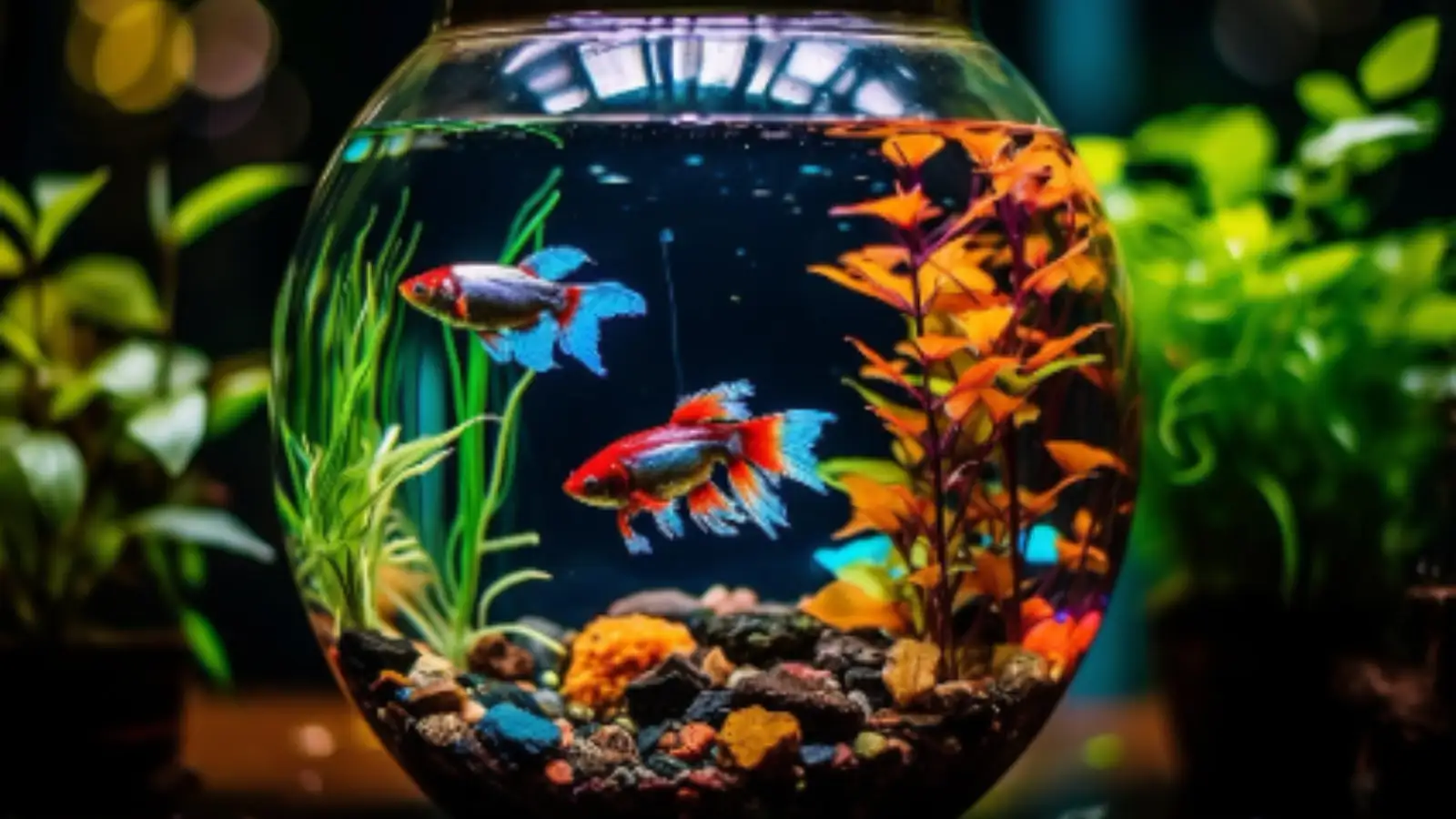
Next comes choosing the tank size. Larger tanks tend to have more stable water parameters, making them easier to manage than very small ones. For beginners, a moderately sized freshwater aquarium provides a forgiving environment that’s easier to balance.
Once clean, add your chosen substrate evenly across the bottom. Sand or gravel not only looks attractive but also offers a surface for beneficial bacteria to grow. Live or artificial plants and aquarium-safe decorations can be added now to create a natural environment and hiding spots for future fish.
Depending on the species you plan to keep, you may also need a heater and thermometer to maintain stable, species-specific water temperatures. Lighting enhances viewing and supports plant growth if you’re keeping live plants. Position all equipment so they’re easy to access during maintenance.
Fill the tank slowly to minimize disturbance to the substrate. Once filled, plug in the heater, filter, and lights, and let the system run. Monitor temperature and stability before moving to the next phase.
Patience pays off: a correctly cycled aquarium promotes clear water, strong fish health, and a well-balanced ecosystem. With these steps followed carefully, your aquarium will become a beautiful, tranquil feature in your home and a healthy home for your fish.
1. Select the Best Location & Tank
The first step is choosing the right spot in your home for the aquarium. Avoid areas near direct sunlight, heaters, air conditioners, or windows, as rapid temperature changes and excessive light promote algae growth and stress fish. Also, ensure the floor or stand can support the full tank’s weight water is heavy, and a filled aquarium can easily exceed several hundred kilos.Next comes choosing the tank size. Larger tanks tend to have more stable water parameters, making them easier to manage than very small ones. For beginners, a moderately sized freshwater aquarium provides a forgiving environment that’s easier to balance.
2. Clean and Prepare the Tank
Before installing anything, wash the empty aquarium with clean water to remove any dust or debris and inspect for leaks. Do not use soap or detergents, as fish are sensitive to chemical residues. Similarly, rinse gravel, substrate, and decorative items thoroughly before placing them in the tank to avoid cloudy water and potential toxins.Once clean, add your chosen substrate evenly across the bottom. Sand or gravel not only looks attractive but also offers a surface for beneficial bacteria to grow. Live or artificial plants and aquarium-safe decorations can be added now to create a natural environment and hiding spots for future fish.
You may also like
- LPG Price Hike 2026: Domestic gas price reaches ₹913, commercial gas also increases by ₹115
- Happy Women's Day: Top 9 safest countries for women traveling alone, enjoy your solo trip without any worries..
- Gift brand targets 20 new stores in FY26, aims to redefine youth-centric offline retail
- Janhvi Kapoor's Summer Fashion: Trendy Looks to Inspire Your Wardrobe
- Why No God Can Escape This Hidden Universal Law
3. Install Essential Equipment
Filtration is one of the most crucial components of a healthy aquarium. Filters remove waste and impurities and support the growth of beneficial bacteria that break down harmful ammonia and nitrites. Choose a filter appropriate for your tank size sponge or hang-on-back filters are popular for beginner aquariums.Depending on the species you plan to keep, you may also need a heater and thermometer to maintain stable, species-specific water temperatures. Lighting enhances viewing and supports plant growth if you’re keeping live plants. Position all equipment so they’re easy to access during maintenance.
4. Fill with Treated Water
When adding water to the aquarium, use dechlorinated or conditioned water, especially if you’re using tap water. Tap water often contains chlorine and chloramine both harmful to fish and beneficial bacteria. Treating the water makes it safe and suitable for habitation.Fill the tank slowly to minimize disturbance to the substrate. Once filled, plug in the heater, filter, and lights, and let the system run. Monitor temperature and stability before moving to the next phase.
5. Cycle Your Tank Before Adding Fish
Possibly the most important step is allowing your tank to cycle. This means giving time for beneficial bacteria to establish a natural process called the nitrogen cycle. This can take several weeks but is essential to convert toxic ammonia and nitrites into less harmful nitrates. Only when ammonia and nitrite levels are near zero is it safe to introduce fish.Patience pays off: a correctly cycled aquarium promotes clear water, strong fish health, and a well-balanced ecosystem. With these steps followed carefully, your aquarium will become a beautiful, tranquil feature in your home and a healthy home for your fish.






More from our partners


Loving Newspoint? Download the app now
