How To Spot Adulterated Garam Masala At Home 7 Protect Your Health

Garam masala is an essential part of Indian kitchens, valued for its aroma, warmth, and ability to elevate everyday dishes. However, rising demand and higher spice prices have increased the risk of adulteration in powdered spices, including garam masala. Consuming adulterated spices not only affects taste but can also pose health risks over time. Knowing how to identify purity is therefore crucial. From simple visual checks to basic home tests, consumers can take practical steps to ensure the garam masala they use is authentic, safe, and worthy of their cooking.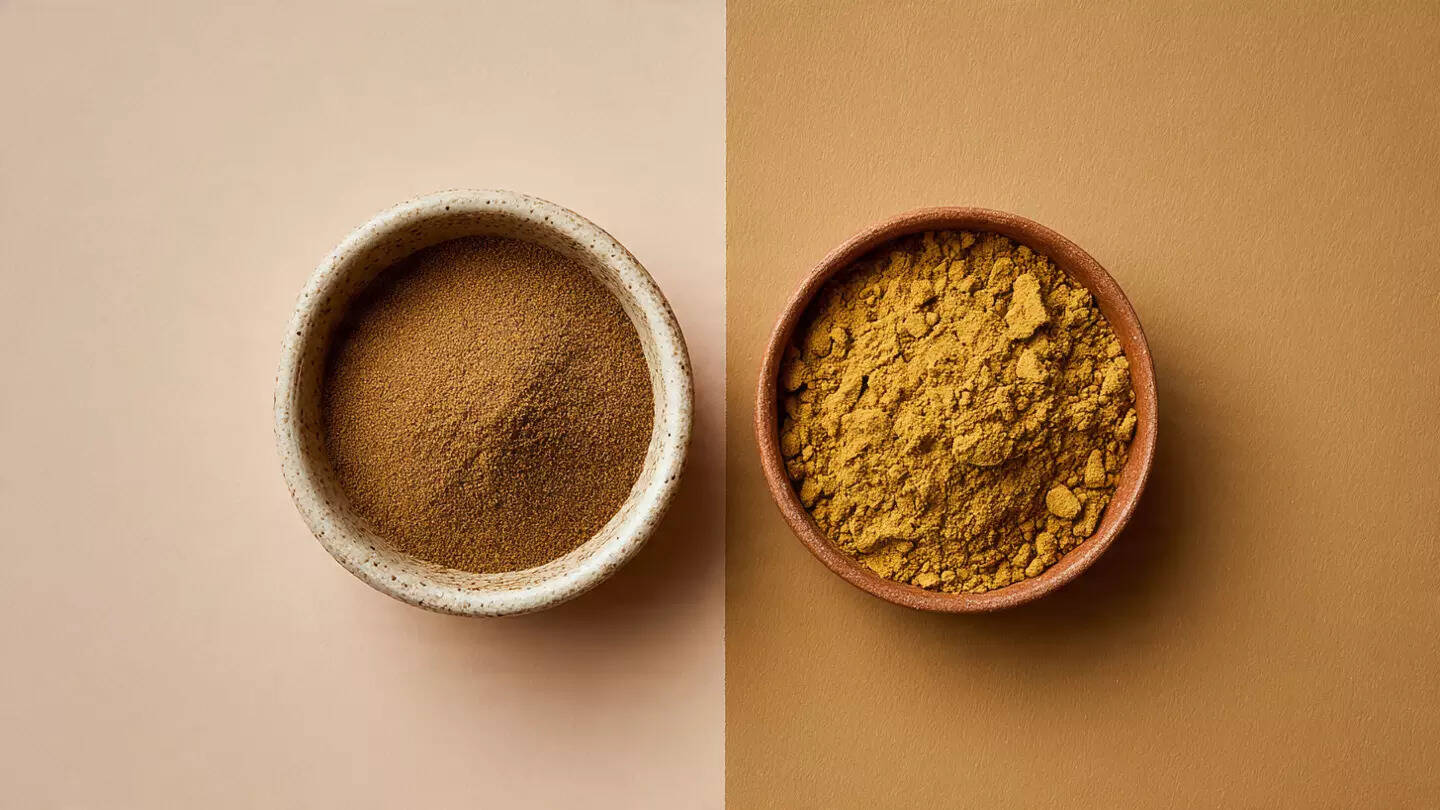
The complexity of the blend makes it difficult for consumers to identify tampering at first glance, which is why awareness plays a vital role in food safety.
Texture also matters. Authentic garam masala feels slightly coarse when rubbed between fingers due to multiple spice components. A powder that feels excessively smooth or flour-like could indicate the presence of fillers or starch.
If the aroma disappears quickly after opening the packet, it may suggest inferior ingredients or excessive dilution. Freshness and purity tend to retain fragrance for longer periods.
While this test does not confirm purity fully, it can help identify obvious contamination.
Authentic blends deliver warmth rather than harshness, even when used sparingly.
Although this requires extra effort, it significantly reduces the risk of consuming unwanted additives.
Opting for reputed brands and checking expiry dates can further reduce risk. Fresh batches tend to retain flavour better and are less likely to have stabilisers or preservatives.
This makes vigilance not just a matter of taste, but of long-term well-being.
Awareness combined with mindful purchasing habits remains the most effective defence against adulteration.
Spotting adulterated garam masala does not require laboratory testing or expert tools. Simple sensory checks, careful purchasing, and basic home tests can go a long way in protecting both flavour and health. In a cuisine where spices define character, ensuring purity helps preserve tradition while safeguarding everyday meals.
Why Garam Masala Is Prone to Adulteration
Garam masala is a blend of multiple spices such as cloves, cinnamon, cardamom, cumin, coriander, and pepper. When sold in powdered form, it becomes easier for unscrupulous suppliers to dilute it with fillers, artificial colours, or low-grade substitutes. Common adulterants may include excess starch, husk powder, sawdust-like plant material, or synthetic colouring agents added to enhance appearance.The complexity of the blend makes it difficult for consumers to identify tampering at first glance, which is why awareness plays a vital role in food safety.
Visual Clues That Signal Possible Adulteration
A close look can reveal early warning signs. Pure garam masala usually has a natural, earthy brown tone that varies slightly depending on the blend. If the powder looks unnaturally bright, reddish, or overly uniform, it may contain added colours.Texture also matters. Authentic garam masala feels slightly coarse when rubbed between fingers due to multiple spice components. A powder that feels excessively smooth or flour-like could indicate the presence of fillers or starch.
Smell and Aroma Can Reveal the Truth
One of garam masala’s strongest indicators of quality is its aroma. A genuine blend releases a warm, complex fragrance with noticeable notes of cloves, cinnamon, and cardamom. Adulterated garam masala often smells weak, flat, or artificial.If the aroma disappears quickly after opening the packet, it may suggest inferior ingredients or excessive dilution. Freshness and purity tend to retain fragrance for longer periods.
Simple Water Test You Can Try at Home
A basic home test can offer useful clues. Add a small pinch of garam masala to a glass of water and stir gently. Pure spices usually float briefly before settling slowly. If you notice artificial colour bleeding into the water or rapid sedimentation of fine powder, it may indicate adulterants or synthetic dyes.While this test does not confirm purity fully, it can help identify obvious contamination.
Taste Test Should Be Done Carefully
Garam masala should have a layered flavour that builds gradually on the palate. A sharp, bitter, or chalky taste may signal low-quality or adulterated content. However, tasting should be minimal, as consuming adulterated spices in large quantities is not advisable.Authentic blends deliver warmth rather than harshness, even when used sparingly.
Importance of Buying Whole Spices and Grinding at Home
One of the safest ways to avoid adulteration is to buy whole spices and grind them at home. Whole spices are harder to tamper with and allow better visual inspection. Grinding small batches also helps preserve aroma and flavour while giving complete control over ingredients.Although this requires extra effort, it significantly reduces the risk of consuming unwanted additives.
Reading Labels and Choosing Trusted Brands
Packaged garam masala should always carry clear labelling, including ingredient lists, manufacturing details, and quality certifications. Avoid products with vague descriptions or missing information.You may also like
- Amid statewide protests, Jaipur holds silent vigil on Aravalli issue
- Telangana, Andhra Pradesh Governors pay tributes to ex-PM Vajpayee
- What Is Snowmanning? The Viral Winter Dating Trend That Experts Warn Against
- FSSAI cracks down on 'herbal tea', says only Camellia sinensis qualifies
 Odisha stands at threshold of becoming free from Naxalism: Amit Shah
Opting for reputed brands and checking expiry dates can further reduce risk. Fresh batches tend to retain flavour better and are less likely to have stabilisers or preservatives.
Health Risks of Consuming Adulterated Spices
Long-term consumption of adulterated spices may lead to digestive discomfort, allergic reactions, or toxin accumulation, depending on the adulterant used. Artificial colours and fillers can strain the liver and digestive system when consumed regularly.This makes vigilance not just a matter of taste, but of long-term well-being.
Building Safer Kitchen Habits
Regularly checking spices, storing them in airtight containers, and avoiding bulk purchases from unreliable sources can improve food safety. Using smaller quantities and replacing old stock ensures better flavour and reduces exposure to compromised products.Awareness combined with mindful purchasing habits remains the most effective defence against adulteration.
Spotting adulterated garam masala does not require laboratory testing or expert tools. Simple sensory checks, careful purchasing, and basic home tests can go a long way in protecting both flavour and health. In a cuisine where spices define character, ensuring purity helps preserve tradition while safeguarding everyday meals.






More from our partners


Loving Newspoint? Download the app now
