
Buying Mangoes This Season? Easy Ways to Spot Artificially Ripened Fruit

Mango season is one of the most awaited times of the year, but not all mangoes in the market are as natural as they seem. To meet high demand, some vendors use artificial ripening agents to speed up the process. While this ensures quicker supply, it can compromise both taste and safety. Understanding how to identify artificially ripened mangoes can help you protect your health and enjoy the fruit as it’s meant to be.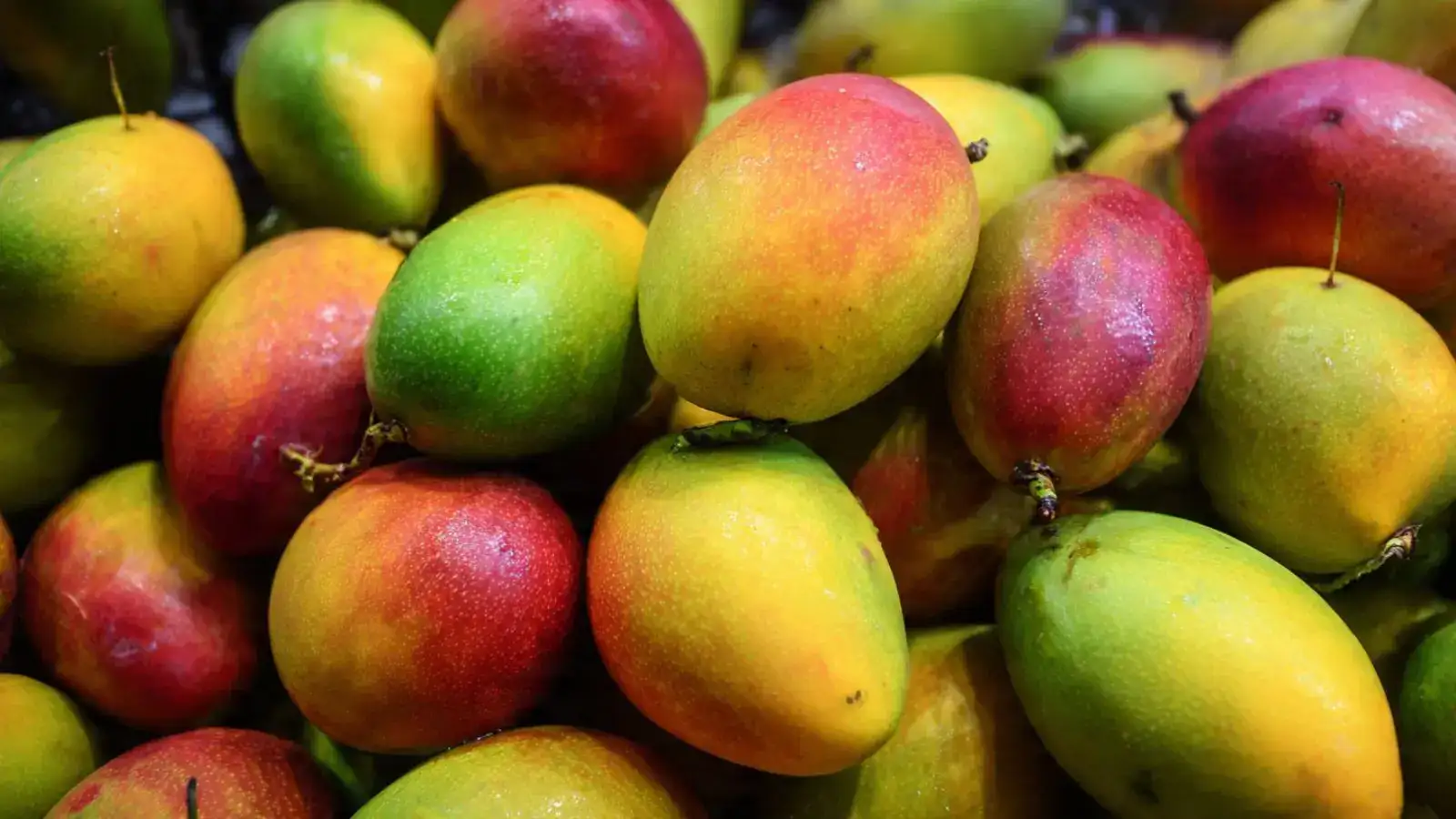
Why Artificial Ripening Is a Concern
Artificial ripening is commonly done using chemicals like calcium carbide, which releases acetylene gas to mimic the natural ripening process. However, calcium carbide may contain traces of harmful substances like arsenic and phosphorus, which can be unsafe for consumption. Due to these risks, its use for ripening fruits is banned in many countries, including India. Despite regulations, improper practices still occur in some markets.
Check the Colour: Uniform vs Natural Variation
One of the easiest ways to spot artificially ripened mangoes is by observing their colour. Naturally ripened mangoes usually have a mix of green, yellow, and sometimes reddish shades. The ripening process happens gradually, so the colour distribution is uneven.
In contrast, artificially ripened mangoes often appear uniformly yellow or orange, sometimes with an unnaturally bright tone. This overly consistent colour can be a sign that the fruit has been exposed to chemicals rather than ripened naturally on the tree.
Look for Black Spots or Patches
Artificial ripening can sometimes cause black spots or dark patches on the skin. While minor blemishes can occur naturally, excessive or unusual spotting may indicate chemical exposure or improper ripening conditions.
Smell the Mango: Aroma Matters
A naturally ripened mango emits a sweet, fruity aroma, especially near the stem. This fragrance develops as sugars form during the natural ripening process.
Artificially ripened mangoes, however, often lack this characteristic smell or may have a faint, chemical-like odour. If the fruit looks ripe but has little to no aroma, it’s worth taking a closer look.
Feel the Texture: Soft but Not Mushy
Texture is another important indicator. Naturally ripened mangoes feel slightly soft when gently pressed, but are not overly mushy. The softness is usually even across the fruit.
Artificially ripened mangoes may feel soft on the outside but remain hard or underdeveloped inside. In some cases, they may also have a rubbery or overly soft texture due to uneven ripening.
Check the Inside Before Consuming
If you’re unsure, cut the mango open before eating. Naturally ripened mangoes have a consistent golden-yellow pulp with a smooth texture and rich taste. Artificially ripened ones may show uneven colour inside, with patches of pale yellow or even whitish areas near the seed.
Water Test: A Quick Trick
A simple home test involves placing the mango in a bowl of water. Naturally ripened mangoes tend to sink, while artificially ripened ones may float due to changes in density. However, this is not a foolproof method and should be used alongside other checks.
Buy From Trusted Sources
One of the most reliable ways to avoid artificially ripened mangoes is to buy from trusted vendors or certified organic stores. Seasonal, locally sourced mangoes are more likely to be naturally ripened. You can also look for labels indicating safe ripening practices, such as the use of ethylene gas, which is considered a safer alternative when used correctly.
Wash Thoroughly Before Eating
Regardless of how the mango is ripened, always wash it thoroughly under running water before consumption. This helps remove surface residues, dirt, and potential contaminants.
Make Informed Choices This Summer
Mangoes are not just delicious; they are packed with nutrients and are an essential part of summer diets. By learning to identify artificially ripened fruits, you can ensure that you and your family enjoy mangoes that are both safe and naturally delicious.
A few simple checks, colour, smell, texture, and source, can go a long way in helping you pick the right fruit. This summer, shop smarter and savour mangoes the way nature intended.
Why Artificial Ripening Is a Concern
Artificial ripening is commonly done using chemicals like calcium carbide, which releases acetylene gas to mimic the natural ripening process. However, calcium carbide may contain traces of harmful substances like arsenic and phosphorus, which can be unsafe for consumption. Due to these risks, its use for ripening fruits is banned in many countries, including India. Despite regulations, improper practices still occur in some markets.
Check the Colour: Uniform vs Natural Variation
One of the easiest ways to spot artificially ripened mangoes is by observing their colour. Naturally ripened mangoes usually have a mix of green, yellow, and sometimes reddish shades. The ripening process happens gradually, so the colour distribution is uneven.
In contrast, artificially ripened mangoes often appear uniformly yellow or orange, sometimes with an unnaturally bright tone. This overly consistent colour can be a sign that the fruit has been exposed to chemicals rather than ripened naturally on the tree.
Look for Black Spots or Patches
Artificial ripening can sometimes cause black spots or dark patches on the skin. While minor blemishes can occur naturally, excessive or unusual spotting may indicate chemical exposure or improper ripening conditions.
Smell the Mango: Aroma Matters
A naturally ripened mango emits a sweet, fruity aroma, especially near the stem. This fragrance develops as sugars form during the natural ripening process.
Artificially ripened mangoes, however, often lack this characteristic smell or may have a faint, chemical-like odour. If the fruit looks ripe but has little to no aroma, it’s worth taking a closer look.
Feel the Texture: Soft but Not Mushy
Texture is another important indicator. Naturally ripened mangoes feel slightly soft when gently pressed, but are not overly mushy. The softness is usually even across the fruit.
Artificially ripened mangoes may feel soft on the outside but remain hard or underdeveloped inside. In some cases, they may also have a rubbery or overly soft texture due to uneven ripening.
Check the Inside Before Consuming
If you’re unsure, cut the mango open before eating. Naturally ripened mangoes have a consistent golden-yellow pulp with a smooth texture and rich taste. Artificially ripened ones may show uneven colour inside, with patches of pale yellow or even whitish areas near the seed.
Water Test: A Quick Trick
A simple home test involves placing the mango in a bowl of water. Naturally ripened mangoes tend to sink, while artificially ripened ones may float due to changes in density. However, this is not a foolproof method and should be used alongside other checks.
Buy From Trusted Sources
One of the most reliable ways to avoid artificially ripened mangoes is to buy from trusted vendors or certified organic stores. Seasonal, locally sourced mangoes are more likely to be naturally ripened. You can also look for labels indicating safe ripening practices, such as the use of ethylene gas, which is considered a safer alternative when used correctly.
Wash Thoroughly Before Eating
Regardless of how the mango is ripened, always wash it thoroughly under running water before consumption. This helps remove surface residues, dirt, and potential contaminants.
Make Informed Choices This Summer
Mangoes are not just delicious; they are packed with nutrients and are an essential part of summer diets. By learning to identify artificially ripened fruits, you can ensure that you and your family enjoy mangoes that are both safe and naturally delicious.
A few simple checks, colour, smell, texture, and source, can go a long way in helping you pick the right fruit. This summer, shop smarter and savour mangoes the way nature intended.
Next Story