How To Spot Fake Cardamom & Keep Your Kitchen Free From Adulteration

Cardamom is one of the most treasured spices in Indian kitchens, valued not only for its fragrance but also for its role in traditional cooking, sweets, herbal drinks and festive recipes. However, the rising price of genuine cardamom has led to an increase in adulterated or artificially enhanced versions entering the market. Many buyers struggle to differentiate between real and fake varieties, especially when purchasing loose spices. Understanding the signs of purity helps protect your health, ensures the best flavours in cooking and prevents unnecessary spending on inferior substitutes. With a little awareness and simple checks, you can confidently avoid adulterated cardamom.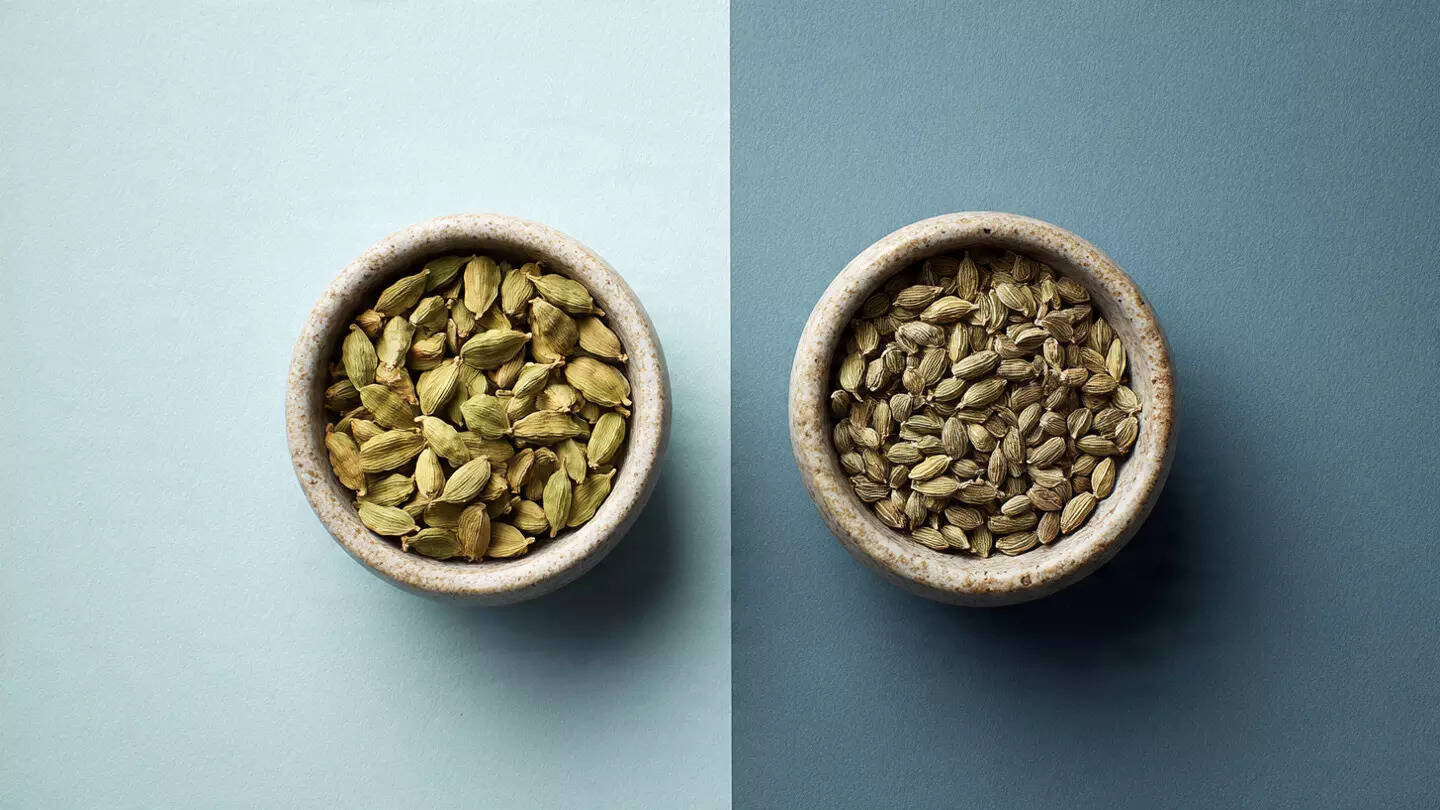
Understanding What Authentic Cardamom Looks And Feels Like
True cardamom has a natural green shade that is not overly bright. Its surface appears slightly ribbed and textured, never glossy or polished. When pressed gently, authentic pods feel firm and contain compact seeds that are sticky and aromatic. The seeds inside are dark brown to black and release a strong, refreshing scent when crushed. Pure cardamom does not feel unusually light or hollow. It carries a distinct earthy fragrance that cannot be reproduced by artificial colouring or chemical scent boosters. Familiarising yourself with these characteristics creates a strong foundation when checking for adulteration.Identifying The Difference Between Natural And Artificial Colour
Colour adulteration is one of the most common ways cardamom is faked. Sellers sometimes coat inferior quality pods with synthetic dyes to create an appealing bright green appearance. While natural cardamom is green, its colour is mild and never neon-like. If the shade looks too vivid, shiny or unnatural, it is likely coloured. You can also rub a pod on a clean cloth or tissue to check for colour transfer. Genuine cardamom will not leave any green stain. Artificially coloured pods may leave streaks or powdery residue, indicating dye-based enhancement.Checking The Aroma And Seed Quality
Aroma is the strongest indicator of purity. Real cardamom releases a deep, warm fragrance with notes of eucalyptus and sweetness. Fake or adulterated pods often have very little aroma or carry an artificial smell that fades quickly. To check authenticity, open a pod and examine the seeds. Pure cardamom seeds are small, sticky and dark in colour. They appear slightly oily due to their essential oil content. Fake seeds may be pale, dry, brittle or even replaced with plant substitutes. If the seeds crumble like dust, the cardamom is either old or of low quality.Testing The Weight And Texture Of The Pod
Authentic cardamom pods feel heavier because they are filled with seeds rich in natural oils. Fake pods may be hollow or surprisingly light. When you press a genuine pod, it should not flatten easily. The outer shell will feel firm yet pliable. On the other hand, adulterated pods may have an unusually smooth or polished surface, or they may break too easily. Sometimes low-grade pods are coated with oil to appear fresher, but the texture will feel sticky on the outside rather than inside. A quick touch test often reveals more than visual inspection alone.Observing Shape And Size To Avoid Misleading Look-Alikes
Cardamom pods do not grow in perfectly uniform shapes. Natural pods vary slightly in size and form, with some appearing slightly curved or uneven. Fake cardamom may look unusually uniform because it could be made from moulded husks or artificially processed shells. Another trick used in adulteration is mixing genuine pods with inferior varieties that have larger husks but fewer seeds inside. Consistent shape or exaggerated size is always a warning sign. It is better to choose pods that look naturally irregular yet well-filled.Choosing The Right Purchasing Method For Guaranteed Purity
Where you buy cardamom matters just as much as how you check it. Loose cardamom sold in unsealed containers carries higher risks of mixing and colouring. Purchasing from trusted sources that offer sealed, properly labelled packaging is safer. Checking the packaging date helps ensure freshness because older pods lose aroma and are more likely to be tampered with. If you buy in bulk, take a moment to examine the first few pods before finalising your purchase. Transparency from sellers is a good sign of authenticity.Why Spotting Fake Cardamom Matters For Everyday Cooking
Using adulterated cardamom affects both flavour and health. Artificial dyes and chemical scents may introduce unwanted substances into your food. Fake pods also lack the essential oils that give dishes their characteristic depth. Whether preparing everyday tea or special desserts, genuine cardamom plays a major role in elevating aroma and taste. Knowing how to verify quality ensures you enjoy both the culinary and wellness benefits of real cardamom.Next Story