
Hidden Truth Behind Packaged Drinks How To Identify Fake Fruit Juice Before You Take A Sip

Fruit juice is often seen as a healthy addition to daily diets, especially for those looking to increase their intake of vitamins and natural nutrients. However, not every bottle labelled as fruit juice delivers what it promises. The market today is filled with products that look appealing but may contain minimal real fruit content, artificial flavours and excessive sugar. Understanding how to identify fake fruit juice is essential not just for better nutrition but also for long-term health. With a few practical checks, consumers can avoid misleading products and make more informed decisions.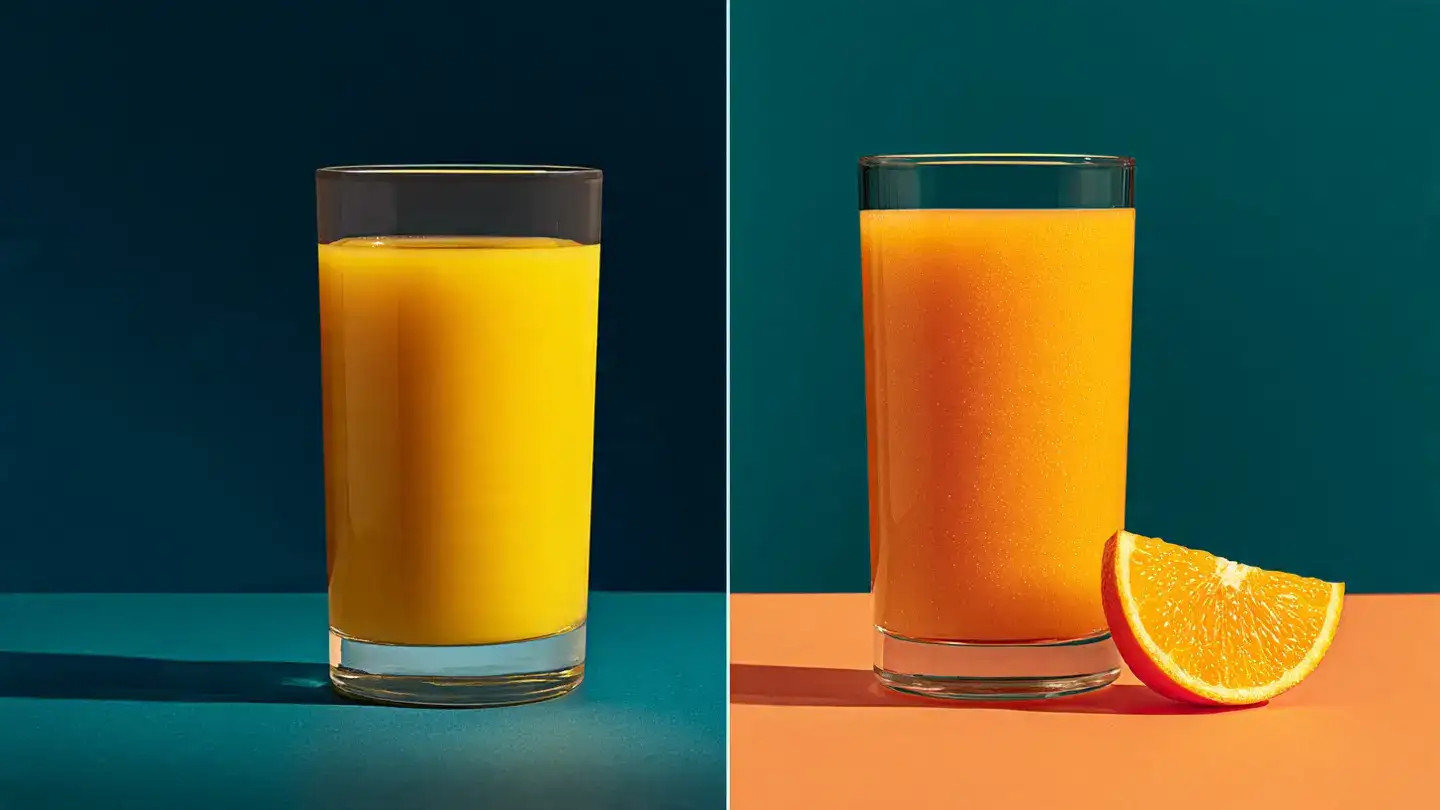
The first step in spotting fake juice is recognising these differences. If a product does not clearly state that it is made from 100 per cent fruit juice, it is likely to contain additives that reduce its nutritional value.
If sugar, high fructose syrup or artificial flavouring appears at the top of the list, it indicates that the product is not primarily made from fruit. Similarly, terms like added colour, nature identical flavouring substances or preservatives suggest that the drink is far from natural.
Pay attention to the percentage of fruit content mentioned on the packaging. A genuine juice will usually have a high fruit percentage, while fake or diluted juices often contain as little as 10 to 20 per cent fruit extract.
Texture also plays a role. Natural juice may have some pulp or slight thickness, especially in juices like orange or mango. In contrast, fake juices are often overly smooth and watery, lacking any natural body.
Fake juices often appear unusually bright or vibrant due to artificial colouring agents. If the colour seems too appealing or does not match the natural shade of the fruit, it is worth questioning the product’s authenticity.
Additionally, sedimentation in natural juice is normal, especially if it is not heavily processed. A completely clear and uniform liquid may indicate excessive filtration or artificial composition.
Do not rely solely on front-label claims. Instead, turn the package around and read the detailed information. Genuine products tend to be transparent about their ingredients and sourcing, while fake ones rely heavily on attractive branding.
Also, check the shelf life. Fresh juices typically have a shorter shelf life, while fake or highly processed juices can last for months due to preservatives. A very long expiry period may signal heavy processing.
If a product is priced unusually low compared to others in the same category, it may contain less fruit content and more artificial ingredients. However, this should be considered alongside other factors rather than as a standalone indicator.
Whenever possible, consider freshly prepared juice from reliable sources or even making juice at home. This not only ensures purity but also allows better control over sugar intake and overall quality.
Being mindful of what goes into your body is increasingly important in today’s processed food environment. By learning how to identify fake fruit juice, consumers can take a simple yet meaningful step towards healthier living.
Image Courtesy: Meta AI
Understanding What Real Fruit Juice Means
Real fruit juice is typically extracted directly from fruits without unnecessary additives. It may be labelled as 100 per cent juice or freshly squeezed, depending on processing. On the other hand, many commercial products fall under categories like fruit drinks, nectar or beverages, which often contain diluted fruit pulp mixed with sugar, preservatives and artificial flavours.The first step in spotting fake juice is recognising these differences. If a product does not clearly state that it is made from 100 per cent fruit juice, it is likely to contain additives that reduce its nutritional value.
Read The Label Carefully
One of the most reliable ways to identify fake fruit juice is by analysing the label. Manufacturers are required to list ingredients in descending order of quantity.If sugar, high fructose syrup or artificial flavouring appears at the top of the list, it indicates that the product is not primarily made from fruit. Similarly, terms like added colour, nature identical flavouring substances or preservatives suggest that the drink is far from natural.
Pay attention to the percentage of fruit content mentioned on the packaging. A genuine juice will usually have a high fruit percentage, while fake or diluted juices often contain as little as 10 to 20 per cent fruit extract.
Check The Taste And Texture
Taste can reveal more than you might expect. Real fruit juice has a natural flavour that may vary slightly with each batch, depending on the fruit quality and season. Fake fruit juice, however, tends to have a consistent and overly sweet taste due to added sugars and artificial flavouring.Texture also plays a role. Natural juice may have some pulp or slight thickness, especially in juices like orange or mango. In contrast, fake juices are often overly smooth and watery, lacking any natural body.
Observe The Colour And Appearance
Visual cues can help in identifying authenticity. Real fruit juice generally has a more subdued and natural colour, which may not always be perfectly uniform.Fake juices often appear unusually bright or vibrant due to artificial colouring agents. If the colour seems too appealing or does not match the natural shade of the fruit, it is worth questioning the product’s authenticity.
Additionally, sedimentation in natural juice is normal, especially if it is not heavily processed. A completely clear and uniform liquid may indicate excessive filtration or artificial composition.
Be Wary Of Marketing Claims
Packaging can be misleading. Words like fresh, natural, farm-picked or premium are often used as marketing tactics rather than indicators of quality.Do not rely solely on front-label claims. Instead, turn the package around and read the detailed information. Genuine products tend to be transparent about their ingredients and sourcing, while fake ones rely heavily on attractive branding.
Look For Certifications And Expiry Details
Authentic fruit juice products often carry certifications or quality marks that indicate adherence to safety and quality standards. While not all genuine juices will have certifications, their presence adds credibility.Also, check the shelf life. Fresh juices typically have a shorter shelf life, while fake or highly processed juices can last for months due to preservatives. A very long expiry period may signal heavy processing.
Price Can Be A Clue
While not always definitive, pricing can offer hints. Real fruit juice requires significant raw material and processing, making it relatively more expensive.If a product is priced unusually low compared to others in the same category, it may contain less fruit content and more artificial ingredients. However, this should be considered alongside other factors rather than as a standalone indicator.
Make Smarter Buying Choices
Choosing authentic fruit juice comes down to awareness and habit. Opt for brands that clearly mention fruit content and avoid those with vague descriptions.Whenever possible, consider freshly prepared juice from reliable sources or even making juice at home. This not only ensures purity but also allows better control over sugar intake and overall quality.
Being mindful of what goes into your body is increasingly important in today’s processed food environment. By learning how to identify fake fruit juice, consumers can take a simple yet meaningful step towards healthier living.
Image Courtesy: Meta AI
Next Story