How to Stay Motivated for Exams in Freezing Weather


Yes, winter is cozy but it does make studying feel like it is ten times harder. The cold mornings, heavy blankets, warm rays of the sun on the bed, and freezing evenings all seem to be the perfect things for doing anything but opening your books. You cannot rely only on your discipline to keep motivated during the exam season in winter - you also need a strategy. When your body is cold, it still wants to save energy, so it gives you the signals of sleepiness, increased appetite, and lack of concentration. Therefore, the method of forcing yourself to “just study” is most of the times unsuccessful. However, if you use the proper winter-friendly habits, warm-up rituals, energy-boosting snacks, and clever study methods, then you can effectively change the situation. Winter has long nights, quiet mornings, and fewer distractions, i.e. all things that can become your productivity boosters if you use them properly. This article is about the practical ways of staying motivated and mentally sharp even on the coldest days so that you keep up your work, get good grades, and do not have to cram at the last minute.

1. Start With Warm-Up Rituals That Wake Your Brain

Winter obviously slows down your body’s metabolism, making waking up and getting straight into “study mode” a real challenge. Warm-up rituals are definitely needed to help start your circulation and give your brain a quick reset before study time again. This is because warmth increases blood flow which leads to higher alertness. Light stretching helps get rid of the winter-related stiffness in your body. Small rituals change the studying perception from being less intimidating to your brain. It makes a routine your brain associates with productivity. Spend 5 minutes sitting in the sun or near a warm lamp. Do 2-minute stretching (shoulder rolls, neck loosening, toe touches). Face wash with lukewarm water. Put on warm socks or a comfortable hoodie. Take a light blanket that doesn’t trap too much heat and wrap yourself in it.
2. Winter-Specific Study Hacks That Actually Work

Winter requires different study methods as both your body and surroundings are changing. Cold weather + short daylight hours = less motivation if you don't change your strategy. The 20-5 Sunlight Hack: Study for 20 minutes close to a window where the sun is shining and take a 5-minute break away from the bed. The fresh air keeps you awake and vitamin D is also increased. The “Warm Corner” Setup: Make one place your study spot only with a lamp, blanket, and few things. Do not study on the bed - it is a great way to lose motivation. Use Shorter Study Bursts: 25–30 minute Pomodoro sessions are more effective in winter as the attention span is usually lower. Night Owls: Try “Warm Wakefulness”: Drink a warm beverage, dim the lights slightly, and use a table lamp - it is the most suitable environment for night studies that require concentration.
3. Eat Energy Foods That Keep You Awake, Not Sleepy
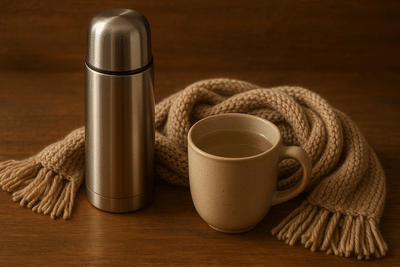
Heavy winter snacks like parathas, deep-fried food, junk food, and sugary tea just make you want to lie down and sleep. Selecting the right foods will help you to stay energetic and motivated. Good Energy Foods for Winter Study: Bananas + peanut butter (fast energy supply), Hot oats with nuts (energy is released slowly), Jaggery + sesame seeds (help to stay warm naturally), Ghee-roasted makhanas (are light and yet can hold you), Oranges & other fruits of the season (freshen the brain) and Herbal teas of ginger, tulsi, and cinnamon (help to avoid too much caffeine). These foods stabilize blood sugar, which leads to: No sudden feeling of tiredness, No long sleeps and Better focus.
4. Trick Your Brain With “Micro Goals” & Reward Systems

Winter can make us feel like even the biggest tasks are too much to handle. So, breaking them down into micro goals is a way to change your brain to get progress. Instead of “Study 3 chapters,” try: 1 topic, 2 pages or 10 questions. After completing each micro goal, give yourself a tiny reward: 2-minute phone check, 1 episode of lo-fi music or Sit near the heater for 2 mins. Small wins trigger dopamine. Motivation comes without the need of forcing yourself. Winter lethargy becomes easier to fight. You're able to keep up with your work without getting burnout.
5. Build a “Winter-Friendly” Study Routine

Your schedule should be in line with your body's clock during the winter, rather than opposing it. Make the hardest work to be done during the warmest part of the day, generally, 11 AM–3 PM. Use evenings only for revision as energy gets lower after the temperature drops. Keep mornings slow but organized. Opener with a stretch → get some sunlight → have a warm drink → start with an easy subject. Go to sleep early and if possible wake up early. Winter mornings are calm and serene - perfect for revision. Use warm light, white tube lights make winter studying feel colder and dull. You're not fighting your energy level, which is in line with the weather, but instead, you're matching your energy pattern to the weather, which naturally increases motivation and consistency.
Ending Note :
Studying during the winter season cannot be compared to brawling. If you are equipped with the suitable warm-up rituals, clever study hacks, delicious foods that energize you, and winter-friendly routines, you will stay motivated, active, and fully prepared for the exams. The point is to use the season as your ally rather than your enemy. Winter offers you tranquil mornings, long nights, and a lot of quiet time - excellent for concentration if you plan it properly. Instead of pushing yourself or feeling guilty when you get sleepy, apply simple methods such as exposure to sunlight, warm drinks, micro goals, short study periods, and a study corner that is uniquely cozy. When your brain and body are well taken care of in the cold, motivation to work becomes a natural thing and not something you have to force. You can do it. Your best exam season is definitely doable even if it is freezing outside.
FAQs (Frequently Asked Questions) :
Why do I feel less motivated during cold weather?
Cold temperatures slow the body, reducing alertness and motivation. Are winter naps okay during exam time?
Yes- just keep them 15–20 minutes to avoid grogginess. What should I wear to stay focused in winter?
Layer light, breathable warm clothes instead of heavy woolens. How do I avoid falling asleep while studying in winter?
Sit near sunlight, use warm lighting, and take short active breaks.
1. Start With Warm-Up Rituals That Wake Your Brain
Simple winter rituals wake your body and brain effectively.
Winter obviously slows down your body’s metabolism, making waking up and getting straight into “study mode” a real challenge. Warm-up rituals are definitely needed to help start your circulation and give your brain a quick reset before study time again. This is because warmth increases blood flow which leads to higher alertness. Light stretching helps get rid of the winter-related stiffness in your body. Small rituals change the studying perception from being less intimidating to your brain. It makes a routine your brain associates with productivity. Spend 5 minutes sitting in the sun or near a warm lamp. Do 2-minute stretching (shoulder rolls, neck loosening, toe touches). Face wash with lukewarm water. Put on warm socks or a comfortable hoodie. Take a light blanket that doesn’t trap too much heat and wrap yourself in it.
2. Winter-Specific Study Hacks That Actually Work
Study strategies tailored to cold, low-energy winter days.
Winter requires different study methods as both your body and surroundings are changing. Cold weather + short daylight hours = less motivation if you don't change your strategy. The 20-5 Sunlight Hack: Study for 20 minutes close to a window where the sun is shining and take a 5-minute break away from the bed. The fresh air keeps you awake and vitamin D is also increased. The “Warm Corner” Setup: Make one place your study spot only with a lamp, blanket, and few things. Do not study on the bed - it is a great way to lose motivation. Use Shorter Study Bursts: 25–30 minute Pomodoro sessions are more effective in winter as the attention span is usually lower. Night Owls: Try “Warm Wakefulness”: Drink a warm beverage, dim the lights slightly, and use a table lamp - it is the most suitable environment for night studies that require concentration.
3. Eat Energy Foods That Keep You Awake, Not Sleepy
Eat winter-friendly foods that boost focus, not sleepiness.
Heavy winter snacks like parathas, deep-fried food, junk food, and sugary tea just make you want to lie down and sleep. Selecting the right foods will help you to stay energetic and motivated. Good Energy Foods for Winter Study: Bananas + peanut butter (fast energy supply), Hot oats with nuts (energy is released slowly), Jaggery + sesame seeds (help to stay warm naturally), Ghee-roasted makhanas (are light and yet can hold you), Oranges & other fruits of the season (freshen the brain) and Herbal teas of ginger, tulsi, and cinnamon (help to avoid too much caffeine). These foods stabilize blood sugar, which leads to: No sudden feeling of tiredness, No long sleeps and Better focus.
4. Trick Your Brain With “Micro Goals” & Reward Systems
Break tasks into small wins to maintain motivation.
Winter can make us feel like even the biggest tasks are too much to handle. So, breaking them down into micro goals is a way to change your brain to get progress. Instead of “Study 3 chapters,” try: 1 topic, 2 pages or 10 questions. After completing each micro goal, give yourself a tiny reward: 2-minute phone check, 1 episode of lo-fi music or Sit near the heater for 2 mins. Small wins trigger dopamine. Motivation comes without the need of forcing yourself. Winter lethargy becomes easier to fight. You're able to keep up with your work without getting burnout.
5. Build a “Winter-Friendly” Study Routine
Align study schedule with winter energy patterns naturally.
Your schedule should be in line with your body's clock during the winter, rather than opposing it. Make the hardest work to be done during the warmest part of the day, generally, 11 AM–3 PM. Use evenings only for revision as energy gets lower after the temperature drops. Keep mornings slow but organized. Opener with a stretch → get some sunlight → have a warm drink → start with an easy subject. Go to sleep early and if possible wake up early. Winter mornings are calm and serene - perfect for revision. Use warm light, white tube lights make winter studying feel colder and dull. You're not fighting your energy level, which is in line with the weather, but instead, you're matching your energy pattern to the weather, which naturally increases motivation and consistency.
Ending Note :
Studying during the winter season cannot be compared to brawling. If you are equipped with the suitable warm-up rituals, clever study hacks, delicious foods that energize you, and winter-friendly routines, you will stay motivated, active, and fully prepared for the exams. The point is to use the season as your ally rather than your enemy. Winter offers you tranquil mornings, long nights, and a lot of quiet time - excellent for concentration if you plan it properly. Instead of pushing yourself or feeling guilty when you get sleepy, apply simple methods such as exposure to sunlight, warm drinks, micro goals, short study periods, and a study corner that is uniquely cozy. When your brain and body are well taken care of in the cold, motivation to work becomes a natural thing and not something you have to force. You can do it. Your best exam season is definitely doable even if it is freezing outside.
FAQs (Frequently Asked Questions) :
Cold temperatures slow the body, reducing alertness and motivation.
Yes- just keep them 15–20 minutes to avoid grogginess.
Layer light, breathable warm clothes instead of heavy woolens.
Sit near sunlight, use warm lighting, and take short active breaks.
Next Story