
How To Take Beautiful Bird Photos In Natural Light Without Expensive Gear Or Complex Settings

How To Photograph Birds In Natural Light: Photographing birds in their natural habitat can be both rewarding and challenging. Natural light offers the most authentic way to capture colours, textures and behaviour, but it also demands a careful approach. Unlike controlled studio lighting, outdoor conditions change constantly, requiring photographers to adapt quickly. With the right techniques and a basic understanding of light, even beginners can produce striking bird photographs. This guide explores practical methods to help you make the most of natural light while improving clarity, composition and overall image quality.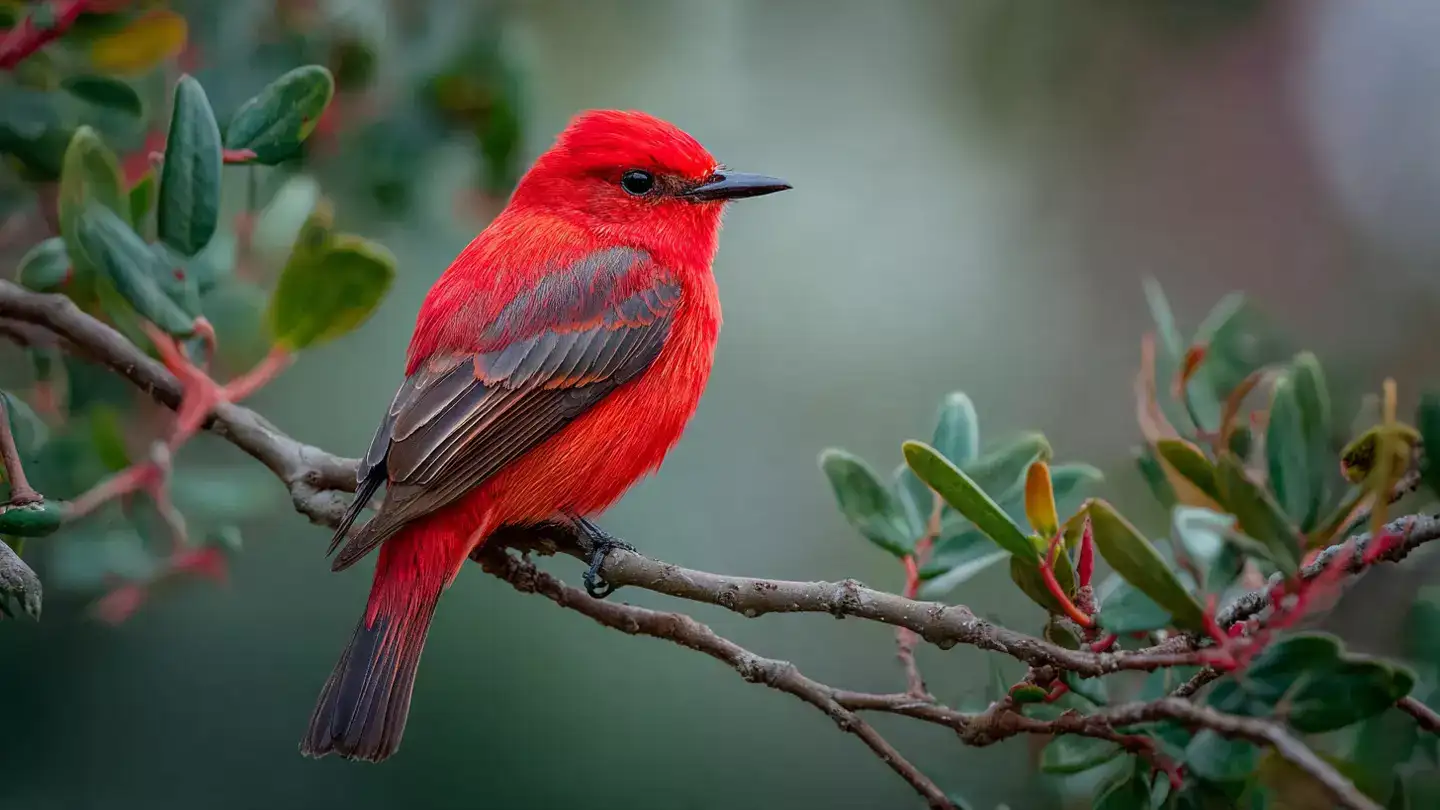
Positioning yourself so that the light falls on the bird from the front or side helps highlight textures and feather details. Backlighting can also be used creatively to produce silhouettes or glowing outlines, but it requires careful exposure control. Understanding how light behaves at different times of the day is key to mastering natural light photography .
A wide aperture such as f/5.6 or f/6.3 helps create a pleasing background blur, making the bird stand out. At the same time, adjusting ISO according to available light ensures that your images remain well-exposed without introducing too much noise.
Using continuous autofocus and burst mode can significantly increase your chances of capturing sharp images. These settings are particularly useful when photographing birds in flight or during sudden movements.
Patience is equally important. Waiting quietly allows birds to become comfortable with your presence, leading to more natural and expressive shots. Avoid sudden movements or loud noises that might scare them away. Over time, patience can lead to unique and compelling images that reflect authentic behaviour.
Including elements such as branches, water or sky can add context to your image. However, it is important to keep the background uncluttered so that the bird remains the main focus. A clean background also helps in achieving a professional look.
Eye-level shots tend to be more engaging as they create a connection between the viewer and the subject. Whenever possible, try to photograph birds from their level rather than from above.
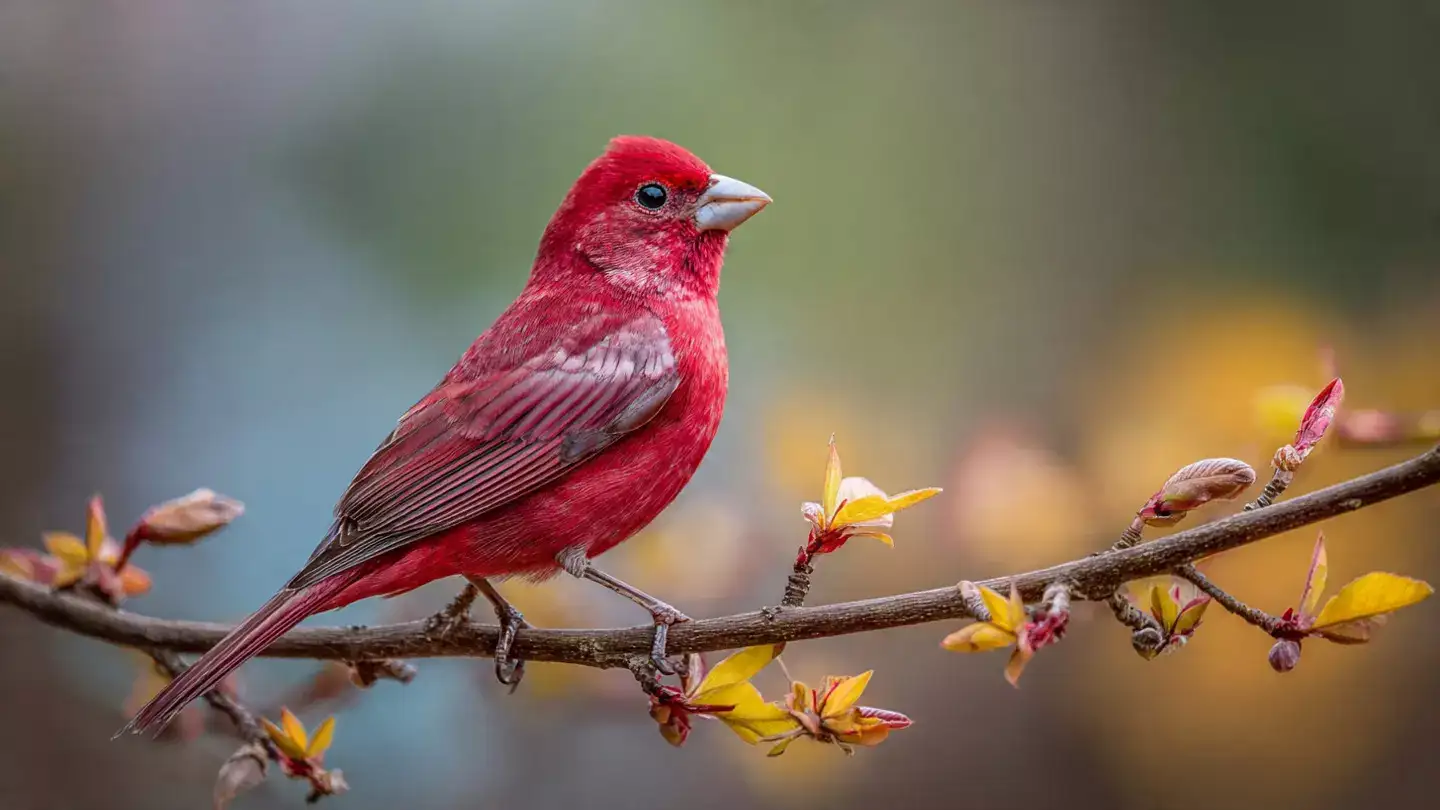
Directional light, such as sunlight filtering through trees, can create interesting patterns and highlights. Reflections on water surfaces can add depth and symmetry to your images. Experimenting with angles and perspectives allows you to use light in unique ways, enhancing the artistic quality of your photographs.
Another mistake is ignoring the background. A distracting background can take attention away from the bird. Choosing a clean and complementary background improves the overall composition.
Overexposure is also a frequent issue, especially in bright sunlight. Checking your camera’s histogram and adjusting exposure compensation can help prevent loss of detail in highlights.
Reviewing your photographs and identifying areas for improvement is equally important. Over time, you will develop a better understanding of how to use natural light effectively and consistently capture high-quality images.
Photographing birds in natural light is a fulfilling experience that combines technical skill with creativity. By understanding light, adjusting camera settings and practising regularly, you can capture images that are both visually appealing and true to nature.
Image Courtesy: Meta AI
Understanding The Role Of Natural Light
Natural light is the foundation of outdoor photography. The quality, direction and intensity of sunlight directly affect how your bird photographs turn out. Early morning and late afternoon, often referred to as golden hours, provide soft and warm light that enhances colours and reduces harsh shadows. Midday light, on the other hand, can be too strong and may wash out details or create unflattering contrasts.Positioning yourself so that the light falls on the bird from the front or side helps highlight textures and feather details. Backlighting can also be used creatively to produce silhouettes or glowing outlines, but it requires careful exposure control. Understanding how light behaves at different times of the day is key to mastering natural light photography .
Choosing The Right Camera Settings
Getting the correct camera settings is essential in bird photography, especially when working with natural light. Birds are often in motion, so a fast shutter speed is necessary to freeze action. A shutter speed of at least 1/1000 seconds is usually effective for flying birds.A wide aperture such as f/5.6 or f/6.3 helps create a pleasing background blur, making the bird stand out. At the same time, adjusting ISO according to available light ensures that your images remain well-exposed without introducing too much noise.
Using continuous autofocus and burst mode can significantly increase your chances of capturing sharp images. These settings are particularly useful when photographing birds in flight or during sudden movements.
Importance Of Timing And Patience
Timing plays a crucial role in successful bird photography. Birds are most active during early morning and late afternoon, which also coincides with the best natural lighting conditions. Observing bird behaviour can help you anticipate movements and position yourself accordingly.Patience is equally important. Waiting quietly allows birds to become comfortable with your presence, leading to more natural and expressive shots. Avoid sudden movements or loud noises that might scare them away. Over time, patience can lead to unique and compelling images that reflect authentic behaviour.
Composition Techniques For Better Results
Strong composition can transform an ordinary photograph into a captivating one. The rule of thirds is a useful guideline, where the bird is placed slightly off-centre to create balance and visual interest.Including elements such as branches, water or sky can add context to your image. However, it is important to keep the background uncluttered so that the bird remains the main focus. A clean background also helps in achieving a professional look.
Eye-level shots tend to be more engaging as they create a connection between the viewer and the subject. Whenever possible, try to photograph birds from their level rather than from above.
Using Natural Light Creatively
Natural light is not just about illumination; it can also be used creatively. Soft diffused light on cloudy days reduces harsh shadows and brings out subtle details. This is ideal for close-up shots.Directional light, such as sunlight filtering through trees, can create interesting patterns and highlights. Reflections on water surfaces can add depth and symmetry to your images. Experimenting with angles and perspectives allows you to use light in unique ways, enhancing the artistic quality of your photographs.
Avoiding Common Mistakes
One of the most common mistakes in bird photography is relying too much on automatic settings. While automatic modes can be helpful, manual adjustments often produce better results in changing light conditions.Another mistake is ignoring the background. A distracting background can take attention away from the bird. Choosing a clean and complementary background improves the overall composition.
Overexposure is also a frequent issue, especially in bright sunlight. Checking your camera’s histogram and adjusting exposure compensation can help prevent loss of detail in highlights.
Practising Consistently For Improvement
Like any skill, bird photography improves with practice. Spending time outdoors, observing different lighting conditions and experimenting with settings will gradually enhance your abilities.Reviewing your photographs and identifying areas for improvement is equally important. Over time, you will develop a better understanding of how to use natural light effectively and consistently capture high-quality images.
Photographing birds in natural light is a fulfilling experience that combines technical skill with creativity. By understanding light, adjusting camera settings and practising regularly, you can capture images that are both visually appealing and true to nature.
Image Courtesy: Meta AI
Next Story