
How To Teach Your Bird To Talk Faster At Home With Simple Daily Training Methods

Few things delight pet owners more than hearing their bird repeat a familiar word for the first time. Whether it is a cheerful 'hello', your name, or a short phrase heard every day, a talking bird can become an even more engaging companion. The good news is that teaching a bird to talk is often simpler than many people imagine, provided the species has a natural ability for mimicry and the training is consistent.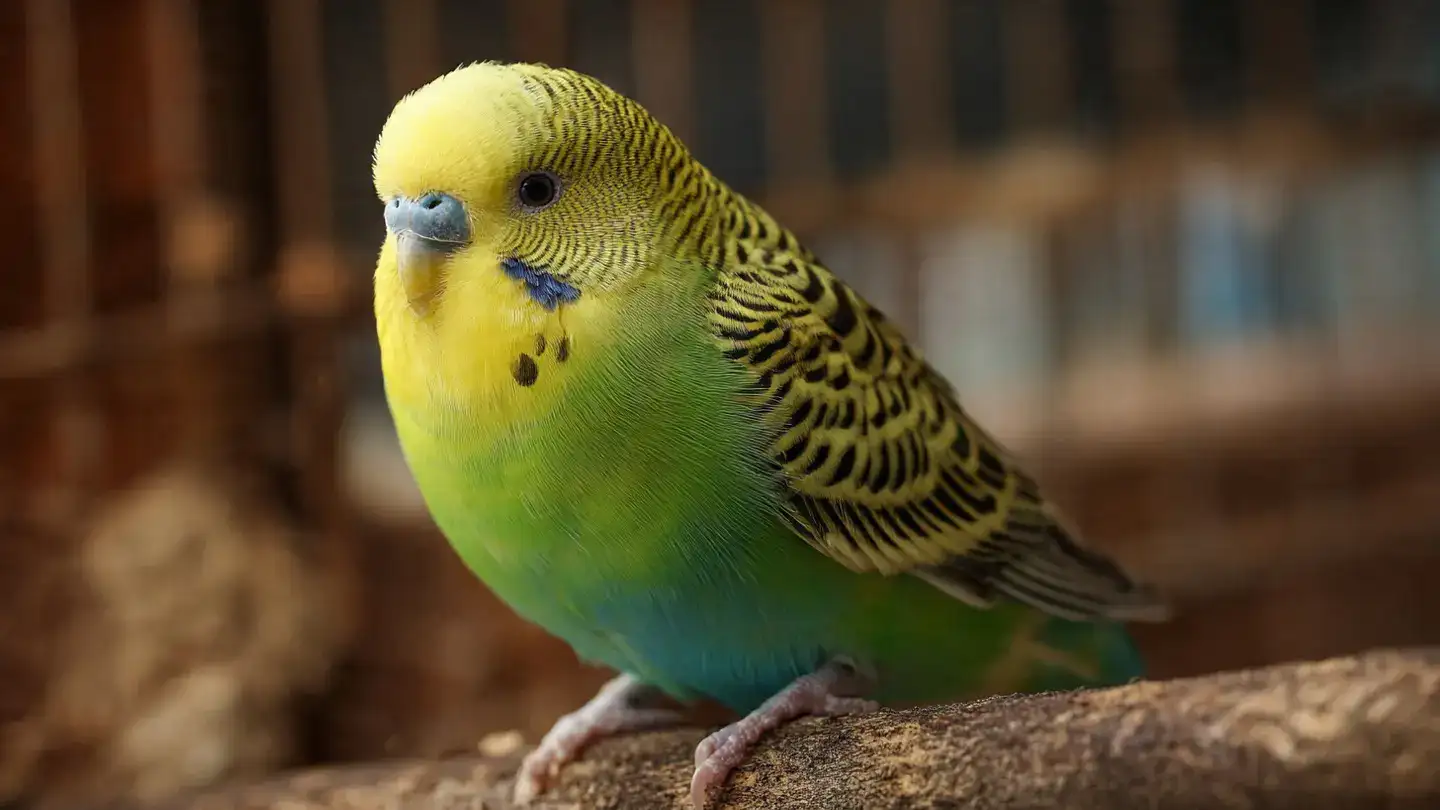
Success depends on patience, trust, and repetition rather than speed. Birds learn through listening, routine, and emotional connection. When the environment is calm and the training method is gentle, your feathered companion can begin associating certain sounds with attention, rewards, and daily activities. Over time, those repeated sounds may turn into recognisable words.
Before focusing on speech, spend time building a bond. A bird that feels safe and comfortable around you is far more likely to imitate your voice. Sit near the cage, speak softly, and use the same tone regularly. Trust is the foundation of successful bird speech training .
Birds often learn better from the person they feel most attached to. If you are the main caregiver who feeds, cleans, and interacts daily, your voice naturally becomes more familiar and easier for the bird to copy.
For example, say 'hello' every morning when uncovering the cage or greeting your bird. Associating the same word with the same moment helps the bird understand when that sound is used.
Repetition is the heart of how to train a parrot or any talking bird. Instead of long sessions, choose short bursts of practice several times a day. Even five-minute sessions can be highly effective when done consistently.
This positive reinforcement helps the bird connect speaking attempts with rewarding outcomes. Over time, it encourages more frequent attempts and improves clarity.
Avoid punishing incorrect sounds or forcing repetition. Stress can make birds quieter and less willing to experiment vocally. A relaxed bird learns far better than one that feels pressured.
Using favourite treats sparingly during talking practice can make sessions more motivating. Seeds, fruit bits, or another safe reward can reinforce progress.
Birds often copy the sounds they hear most frequently. This is why some pet birds learn doorbells, ringtones, or laughter before words. While this can be amusing, it can slow down targeted speech learning.
Choose a regular time each day for talking bird practice . Morning and evening are often ideal because birds tend to be more alert and vocal during these times.
Consistency in environment and schedule helps reinforce memory. The more predictable the routine, the easier it becomes for your bird to absorb speech patterns.
Instead of repeating a flat 'hello', say it with genuine excitement. Birds are naturally drawn to sounds that carry emotional energy.
Interactive learning also helps. Hold eye contact, smile, and combine words with gestures. For instance, wave when saying 'bye'. These small visual cues strengthen association.
Some birds also respond well to recorded repetitions, but live interaction is usually more effective because it adds bonding and immediate feedback.
Another mistake is teaching too many words at once. Start with one word and wait until the bird uses it consistently before introducing another.
Avoid changing the pronunciation or switching between similar words. Consistency helps prevent confusion.
Most importantly, never shout or become frustrated. Birds are sensitive to tone and mood. A calm, enjoyable learning process supports better long-term results.
With steady repetition, trust, and positive reinforcement, teaching your bird to talk can become one of the most rewarding parts of pet companionship. The first clear word may take time, but once your bird understands the pattern, it can quickly build an impressive vocabulary through simple daily interaction.
Image Courtesy: Meta AI
Success depends on patience, trust, and repetition rather than speed. Birds learn through listening, routine, and emotional connection. When the environment is calm and the training method is gentle, your feathered companion can begin associating certain sounds with attention, rewards, and daily activities. Over time, those repeated sounds may turn into recognisable words.
Start With The Right Bird And Build Trust
Not every bird species talks in the same way, so it helps to begin with realistic expectations. Parrots, budgies, cockatiels, African greys, and some mynah birds are among the most known for their talking abilities. Some birds may pick up words quickly, while others may prefer whistles or household sounds.Before focusing on speech, spend time building a bond. A bird that feels safe and comfortable around you is far more likely to imitate your voice. Sit near the cage, speak softly, and use the same tone regularly. Trust is the foundation of successful bird speech training .
Birds often learn better from the person they feel most attached to. If you are the main caregiver who feeds, cleans, and interacts daily, your voice naturally becomes more familiar and easier for the bird to copy.
Choose Simple Words And Repeat Them Often
The best way to begin is with short, clear, one-word phrases. Words such as 'hello', 'bye', 'good', or the bird’s name are excellent starting points. Keep the pronunciation consistent and repeat the word in the same tone every time.For example, say 'hello' every morning when uncovering the cage or greeting your bird. Associating the same word with the same moment helps the bird understand when that sound is used.
Repetition is the heart of how to train a parrot or any talking bird. Instead of long sessions, choose short bursts of practice several times a day. Even five-minute sessions can be highly effective when done consistently.
Use Positive Reinforcement During Bird Speech Training
Reward-based learning works exceptionally well for birds. Whenever your bird attempts to mimic a sound, even if it is unclear, respond positively. Offer verbal praise, excitement, or a favourite treat.This positive reinforcement helps the bird connect speaking attempts with rewarding outcomes. Over time, it encourages more frequent attempts and improves clarity.
Avoid punishing incorrect sounds or forcing repetition. Stress can make birds quieter and less willing to experiment vocally. A relaxed bird learns far better than one that feels pressured.
Using favourite treats sparingly during talking practice can make sessions more motivating. Seeds, fruit bits, or another safe reward can reinforce progress.
Create A Quiet And Consistent Learning Environment
A noisy room filled with television sounds, mobile notifications, or multiple conversations can distract your bird. If your goal is clear speech, choose a quiet environment where your voice stands out.Birds often copy the sounds they hear most frequently. This is why some pet birds learn doorbells, ringtones, or laughter before words. While this can be amusing, it can slow down targeted speech learning.
Choose a regular time each day for talking bird practice . Morning and evening are often ideal because birds tend to be more alert and vocal during these times.
Consistency in environment and schedule helps reinforce memory. The more predictable the routine, the easier it becomes for your bird to absorb speech patterns.
Make Learning Fun With Emotion And Interaction
Birds are highly social and respond strongly to emotion in the human voice. Saying words with enthusiasm, warmth, and expression makes them more memorable.Instead of repeating a flat 'hello', say it with genuine excitement. Birds are naturally drawn to sounds that carry emotional energy.
Interactive learning also helps. Hold eye contact, smile, and combine words with gestures. For instance, wave when saying 'bye'. These small visual cues strengthen association.
You may also like
- Summer home décor: A lighter, warmer shift
- Understanding the Significance of Moles on Different Body Parts
- LPG Cylinders for Weddings: No Shortage of Gas Cylinders During the Wedding Season—Find Out How to Get Them..
- The Heartwarming Love Story of Yusuf Pathan and Afreen Khan
- Major Relief for Farmers: Rain-Damaged Wheat to be Procured at MSP; Government Issues Directives..
Some birds also respond well to recorded repetitions, but live interaction is usually more effective because it adds bonding and immediate feedback.
Be Patient And Avoid Common Mistakes
One of the biggest mistakes owners make is expecting quick results. Some birds may repeat their first word within weeks, while others may take months. Age, species, personality, and daily exposure all influence progress.Another mistake is teaching too many words at once. Start with one word and wait until the bird uses it consistently before introducing another.
Avoid changing the pronunciation or switching between similar words. Consistency helps prevent confusion.
Most importantly, never shout or become frustrated. Birds are sensitive to tone and mood. A calm, enjoyable learning process supports better long-term results.
With steady repetition, trust, and positive reinforcement, teaching your bird to talk can become one of the most rewarding parts of pet companionship. The first clear word may take time, but once your bird understands the pattern, it can quickly build an impressive vocabulary through simple daily interaction.
Image Courtesy: Meta AI






More from our partners


Loving Newspoint? Download the app now
