
How To Train A Stubborn Dog Without Losing Patience Through Calm Daily Routines

Training a stubborn dog can feel emotionally exhausting, especially when it seems your pet understands a command one moment and ignores it the next. Yet what many owners label as stubbornness is often something far simpler — unclear timing, mixed household signals, low motivation or a dog that has learned the environment is more rewarding than the owner.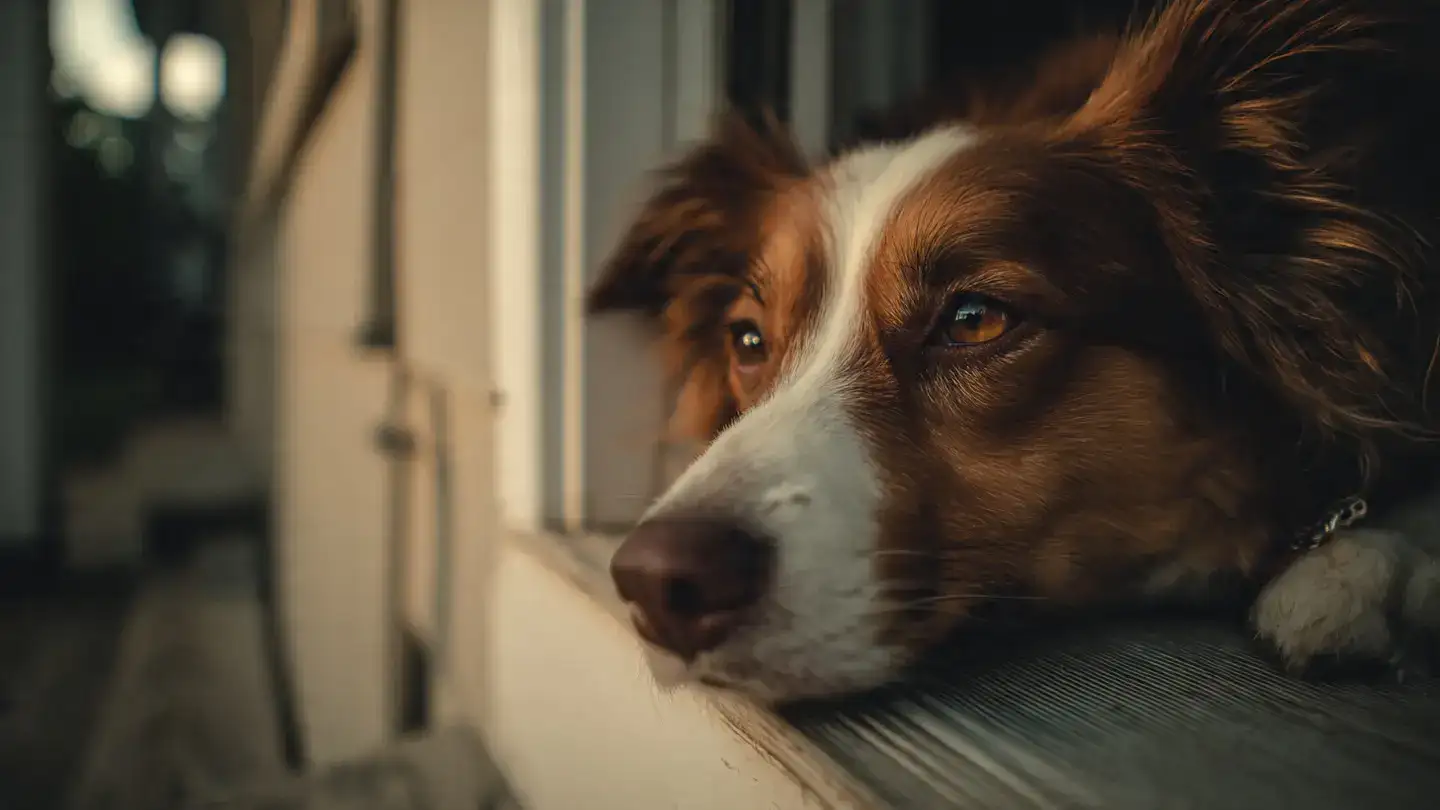
The real breakthrough begins when training stops feeling like correction and starts feeling like communication. Dogs do not respond to frustration in the way humans expect. They respond to patterns, clarity and consistency. A strong-willed dog especially needs to understand why listening is worth it.
The good news is that patience is not something you either have or do not have. It can be built into the training method itself. Once the process becomes calmer and more structured, both the owner and the dog begin to improve together.
A dog that refuses to come when called may actually be distracted. A dog that ignores “sit” before dinner may have learned that the cue is repeated anyway. A dog that pulls during walks may simply be overstimulated.
The first step in stubborn dog training is to identify the pattern behind the behaviour. Ask what happens right before the dog ignores the cue. Is it noise, hunger, excitement, guests or outdoor smells?
When you understand the trigger, training becomes far more strategic and less emotional.
Instead of formal drills alone, use everyday life as training. Ask for a sit before meals, a wait before opening doors, eye contact before throwing a toy and calm walking before clipping the leash.
These repeated moments create structure without making the dog feel pressured. Over time, obedience becomes part of routine life rather than a separate task.
This approach is especially effective for dog obedience at home because it turns discipline into habit.
If your dog lies down calmly without being asked, reward it. If it chooses not to bark at the door, reward it. If it checks in with you during a walk, reward it.
This teaches the dog that thoughtful behaviour itself brings good outcomes. Many so-called difficult dogs improve faster when they are praised for decisions instead of only reacting to spoken commands.
It also reduces owner frustration because progress becomes visible in small daily moments.
Dogs learn through repetition attached to consistent outcomes. If the response is wrong, avoid turning louder, sharper or faster. Instead, repeat the situation more clearly.
For example, if your dog jumps on visitors, do not shout after the jump. Recreate the arrival moment in a calmer setting, reward four paws on the floor and repeat until the dog understands the expected pattern.
Calm dog training works because it removes emotional noise from the lesson.
Many owners begin training after the dog is already zooming, barking or pulling. At that stage, focus is naturally weaker.
Instead, begin short lessons before walks, before guests arrive, before playtime or before feeding. Teaching during the build-up stage gives you a dog that is still mentally reachable.
This one timing shift often changes the entire training experience.
Do not expect a stubborn dog to become perfect in one week. Instead, track smaller wins:
Dog training patience grows when the process allows you to notice genuine movement.
Use play, praise, affection, movement and food to become part of what the dog enjoys. A stubborn dog listens better when the relationship itself feels engaging.
This trust-first method changes the emotional tone of training completely. Instead of daily battles, the dog begins to associate your voice with clarity, rewards and safety.
That is when patience stops feeling forced. It becomes the natural result of a method that actually works. And once that happens, even the most strong-willed dog can become calmer, more responsive and far easier to live with every day.
Image Courtesy: Meta AI
The real breakthrough begins when training stops feeling like correction and starts feeling like communication. Dogs do not respond to frustration in the way humans expect. They respond to patterns, clarity and consistency. A strong-willed dog especially needs to understand why listening is worth it.
The good news is that patience is not something you either have or do not have. It can be built into the training method itself. Once the process becomes calmer and more structured, both the owner and the dog begin to improve together.
Stop Calling The Dog Stubborn And Start Reading The Pattern
The word “stubborn” can sometimes hide the real issue.A dog that refuses to come when called may actually be distracted. A dog that ignores “sit” before dinner may have learned that the cue is repeated anyway. A dog that pulls during walks may simply be overstimulated.
The first step in stubborn dog training is to identify the pattern behind the behaviour. Ask what happens right before the dog ignores the cue. Is it noise, hunger, excitement, guests or outdoor smells?
When you understand the trigger, training becomes far more strategic and less emotional.
Build Listening Through Predictable Micro-Routines
Strong-willed dogs often respond better to predictable daily systems than random long training sessions.Instead of formal drills alone, use everyday life as training. Ask for a sit before meals, a wait before opening doors, eye contact before throwing a toy and calm walking before clipping the leash.
These repeated moments create structure without making the dog feel pressured. Over time, obedience becomes part of routine life rather than a separate task.
This approach is especially effective for dog obedience at home because it turns discipline into habit.
Reward The Decision, Not Just The Command
A more original and highly effective way to improve positive dog behaviour is to reward smart choices your dog makes naturally.If your dog lies down calmly without being asked, reward it. If it chooses not to bark at the door, reward it. If it checks in with you during a walk, reward it.
This teaches the dog that thoughtful behaviour itself brings good outcomes. Many so-called difficult dogs improve faster when they are praised for decisions instead of only reacting to spoken commands.
It also reduces owner frustration because progress becomes visible in small daily moments.
Use Calm Repetition Instead Of Emotional Escalation
One of the biggest reasons owners lose patience is expecting the dog to learn at human speed.Dogs learn through repetition attached to consistent outcomes. If the response is wrong, avoid turning louder, sharper or faster. Instead, repeat the situation more clearly.
For example, if your dog jumps on visitors, do not shout after the jump. Recreate the arrival moment in a calmer setting, reward four paws on the floor and repeat until the dog understands the expected pattern.
Calm dog training works because it removes emotional noise from the lesson.
Train Before Energy Peaks, Not After
A clever way to reduce difficult dog habits is to train before the dog becomes overexcited.Many owners begin training after the dog is already zooming, barking or pulling. At that stage, focus is naturally weaker.
Instead, begin short lessons before walks, before guests arrive, before playtime or before feeding. Teaching during the build-up stage gives you a dog that is still mentally reachable.
This one timing shift often changes the entire training experience.
Protect Your Patience With Realistic Benchmarks
A major reason people feel defeated is measuring success too dramatically.You may also like
- Thymus Gland Health: This tiny organ prolongs your lifespan; this revelation will blow your mind.
- New player in the Biryani world and it's not from Hyderabad
- Secret ingredient to romantic chemistry: Hidden attraction factor that can make or break your next date
- Excessive hair loss may suddenly occur, this disease may be hidden in the body.
- Revitalize Your Skin with Homemade Coffee Body Scrubs
Do not expect a stubborn dog to become perfect in one week. Instead, track smaller wins:
- fewer repeated commands
- calmer greetings
- quicker response indoors
- shorter barking episodes
- better leash focus for two minutes longer
Dog training patience grows when the process allows you to notice genuine movement.
Make The Bond Stronger Than The Distraction
Ultimately, the most reliable dogs are not always the most obedient by nature. They are the ones that see their owner as the most rewarding point in the environment.Use play, praise, affection, movement and food to become part of what the dog enjoys. A stubborn dog listens better when the relationship itself feels engaging.
This trust-first method changes the emotional tone of training completely. Instead of daily battles, the dog begins to associate your voice with clarity, rewards and safety.
That is when patience stops feeling forced. It becomes the natural result of a method that actually works. And once that happens, even the most strong-willed dog can become calmer, more responsive and far easier to live with every day.
Image Courtesy: Meta AI






More from our partners


Loving Newspoint? Download the app now
