
How To Train Your Puppy To Obey Basic Commands With Confidence, Consistency And Everyday Ease

Bringing home a puppy is exciting, but the early weeks are also the most important time to shape behaviour and build lifelong habits. Puppies are naturally curious, energetic and eager to learn, which makes this stage ideal for introducing obedience training. Teaching simple commands does far more than improve discipline. It helps create trust, strengthens communication and keeps your pet safe in everyday situations. With patience, consistency and the right reward-based approach, even first-time pet parents can successfully train their puppy to respond to essential instructions and develop good manners that last into adulthood.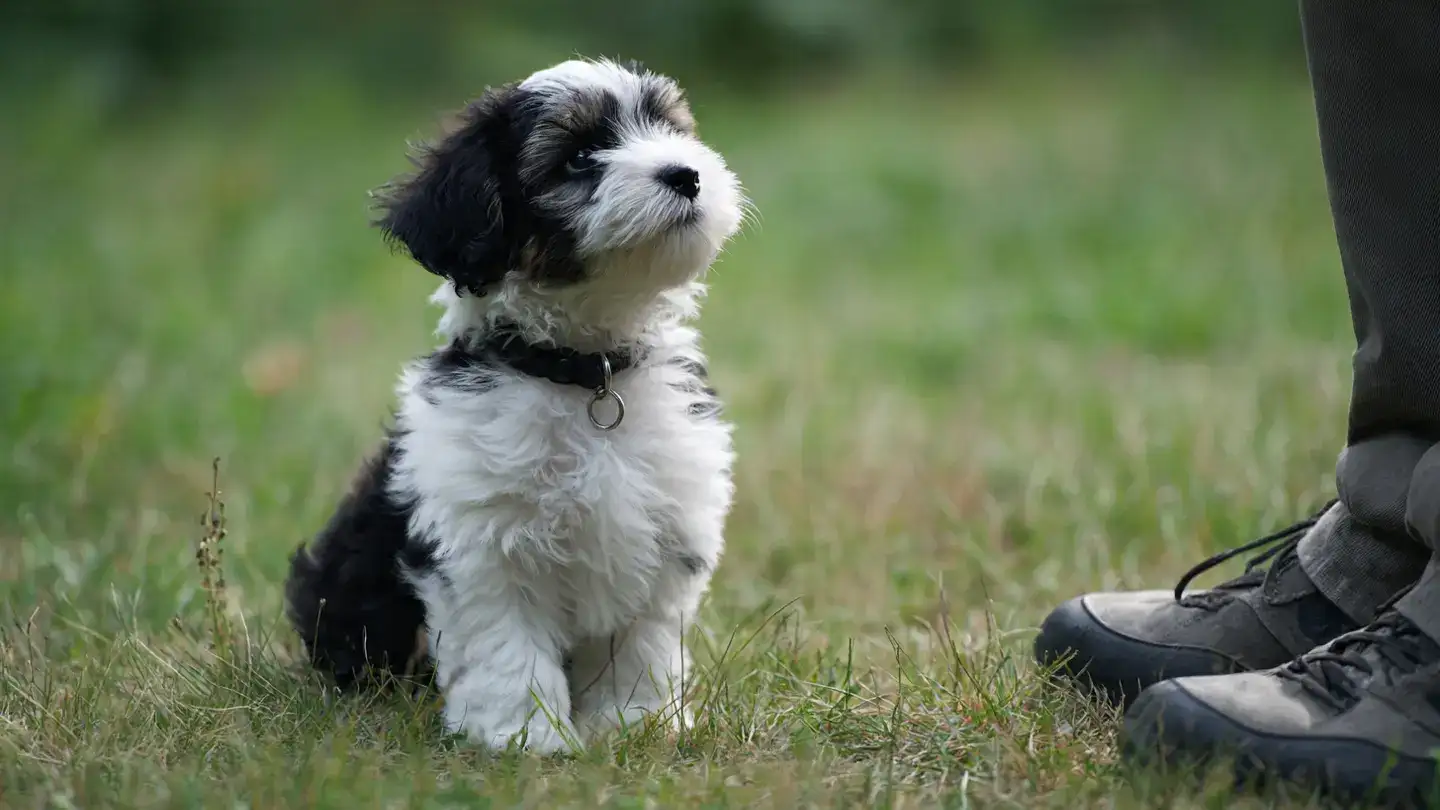
Choose a quiet area with minimal distractions for the first few sessions. This helps your puppy focus on your voice, hand signals and rewards. Keep sessions short, ideally five to 10 minutes, as puppies have limited attention spans. Frequent mini-sessions during the day are usually more effective than one long lesson.
Using praise, treats and affection as rewards is one of the most effective puppy training tips . Positive reinforcement encourages the puppy to repeat desired behaviour without fear or confusion.
Sit is often the best starting point. Hold a small treat just above your puppy’s nose and slowly move it backwards over the head. As the puppy naturally lowers its back to the floor, say “sit” clearly and reward immediately.
Stay should follow once sit is understood. Ask your puppy to sit, hold up your palm as a signal and step back slightly. Reward even a short pause at first, then gradually increase the duration.
Come is one of the most important commands for safety. Use a cheerful voice, crouch down and call your puppy’s name followed by “come”. Reward generously every time your puppy responds.
Leave it helps prevent unsafe chewing or picking up harmful objects. Start with a treat in your closed hand and reward the puppy only when it stops trying to grab it.
These basic dog commands lay the foundation for better behaviour at home and outdoors.
Repeat commands in calm, clear tones and avoid shouting. Puppies respond better to encouragement than punishment. If your puppy gets distracted or stops listening, end the session on a positive note and try again later.
Timing is equally important. Reward the correct action immediately so the puppy connects the command with the behaviour. Delayed rewards may weaken the learning process.
Another issue is training when the puppy is overly excited or tired. Choose moments when your pet is calm and alert. Avoid negative punishment, as harsh reactions can damage trust and slow learning.
Socialisation also supports how to train a puppy effectively. Exposure to new sounds, people and environments helps reinforce obedience in real-world settings.
As your puppy grows, continue reinforcing lessons during walks, feeding time and play. Ask for a sit before meals, a stay before opening doors and a come command during games. These small daily habits turn training into a natural part of life.
Strong dog behaviour tips always focus on patience, repetition and trust. Every puppy learns at its own pace, but steady practice leads to reliable obedience.
A well-trained puppy is not simply one that follows orders. It is a pet that understands boundaries, feels secure and enjoys healthy communication with its owner. With positive reinforcement for puppies , clear commands and short daily practice, you can raise a happy, disciplined companion that responds confidently in any situation.
Image Courtesy: Meta AI
Start With Trust And A Positive Routine
Before introducing commands, your puppy needs to feel secure in its environment. Training works best when your pet is relaxed, comfortable and focused on you. Create a predictable routine around feeding, walks, toilet breaks and playtime. Puppies learn quickly through repetition, so a stable schedule supports faster progress.Choose a quiet area with minimal distractions for the first few sessions. This helps your puppy focus on your voice, hand signals and rewards. Keep sessions short, ideally five to 10 minutes, as puppies have limited attention spans. Frequent mini-sessions during the day are usually more effective than one long lesson.
Using praise, treats and affection as rewards is one of the most effective puppy training tips . Positive reinforcement encourages the puppy to repeat desired behaviour without fear or confusion.
Teach The Essential First Commands
The first lessons should focus on commands that are practical and easy to understand.Sit is often the best starting point. Hold a small treat just above your puppy’s nose and slowly move it backwards over the head. As the puppy naturally lowers its back to the floor, say “sit” clearly and reward immediately.
Stay should follow once sit is understood. Ask your puppy to sit, hold up your palm as a signal and step back slightly. Reward even a short pause at first, then gradually increase the duration.
Come is one of the most important commands for safety. Use a cheerful voice, crouch down and call your puppy’s name followed by “come”. Reward generously every time your puppy responds.
Leave it helps prevent unsafe chewing or picking up harmful objects. Start with a treat in your closed hand and reward the puppy only when it stops trying to grab it.
These basic dog commands lay the foundation for better behaviour at home and outdoors.
Use Repetition Without Frustration
Consistency is the secret behind successful puppy obedience training . Everyone in the household should use the same command words and hand gestures. Mixed signals can slow progress and confuse your puppy.Repeat commands in calm, clear tones and avoid shouting. Puppies respond better to encouragement than punishment. If your puppy gets distracted or stops listening, end the session on a positive note and try again later.
Timing is equally important. Reward the correct action immediately so the puppy connects the command with the behaviour. Delayed rewards may weaken the learning process.
Correct Common Training Mistakes Early
Many owners expect fast results, but learning takes time. One common mistake is repeating the command too many times. Saying “sit, sit, sit” teaches the puppy that the first cue can be ignored. Instead, say it once, guide the action and reward success.Another issue is training when the puppy is overly excited or tired. Choose moments when your pet is calm and alert. Avoid negative punishment, as harsh reactions can damage trust and slow learning.
Socialisation also supports how to train a puppy effectively. Exposure to new sounds, people and environments helps reinforce obedience in real-world settings.
Build Lifelong Good Behaviour
Once your puppy masters the basics indoors, practise in different locations such as the garden, building corridor or a quiet park. Gradually introducing distractions strengthens command response in everyday life.As your puppy grows, continue reinforcing lessons during walks, feeding time and play. Ask for a sit before meals, a stay before opening doors and a come command during games. These small daily habits turn training into a natural part of life.
Strong dog behaviour tips always focus on patience, repetition and trust. Every puppy learns at its own pace, but steady practice leads to reliable obedience.
A well-trained puppy is not simply one that follows orders. It is a pet that understands boundaries, feels secure and enjoys healthy communication with its owner. With positive reinforcement for puppies , clear commands and short daily practice, you can raise a happy, disciplined companion that responds confidently in any situation.
Image Courtesy: Meta AI
Next Story