
How To Transform Traditional Indian Dishes Into Healthier Everyday Meals Without Losing Authentic Taste

Indian cuisine is celebrated worldwide for its rich flavours, diverse ingredients, and time-honoured cooking techniques. However, many traditional recipes were originally designed for physically demanding lifestyles, where higher fat and carbohydrate intake was easily balanced through daily activity. In today’s more sedentary routines, the same dishes can sometimes feel heavy. The good news is that you do not need to abandon your favourite meals. With mindful ingredient swaps, cooking methods, and portion awareness, it is possible to retain authentic taste while making traditional Indian dishes significantly healthier and more nutritionally balanced.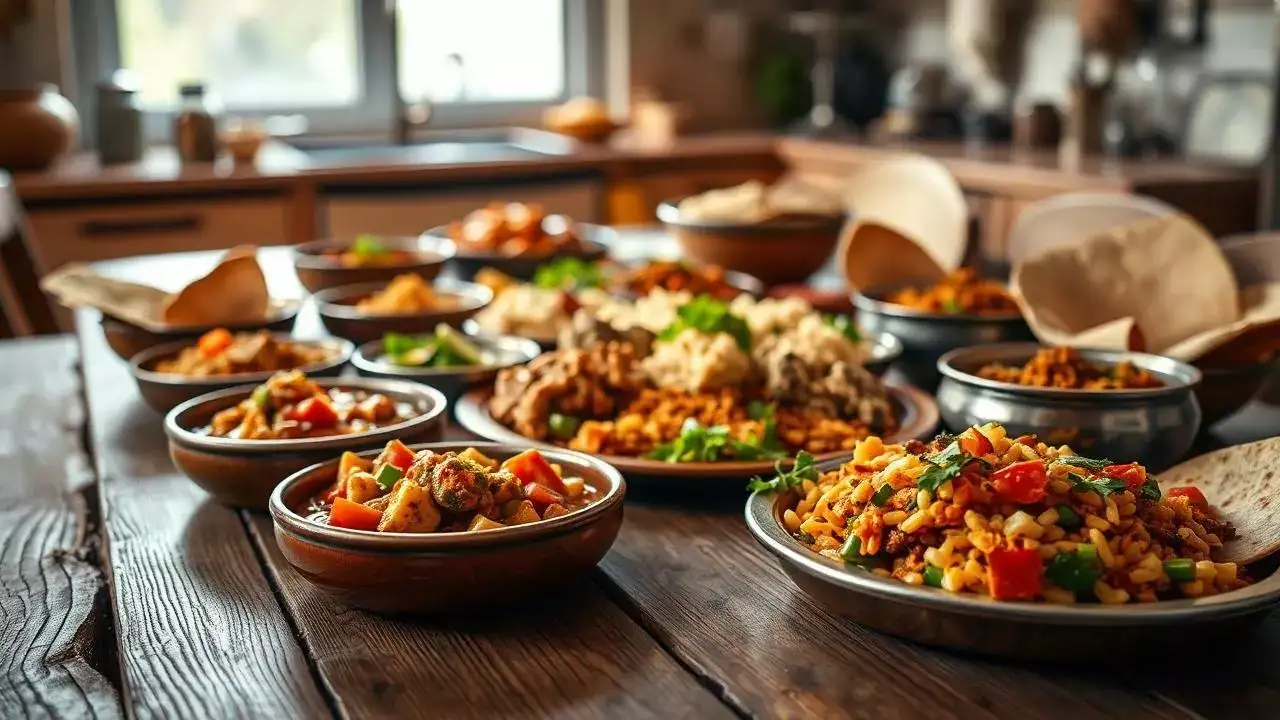
Switching to heart-friendly oils such as mustard oil, groundnut oil, or rice bran oil in moderate quantities can make a difference. Using cold-pressed oils also helps retain natural nutrients. Another practical step is adopting low-oil cooking techniques like sautéing instead of deep frying. Even small changes, such as brushing oil onto rotis instead of applying it liberally, contribute to better dietary balance.
Steaming, grilling, pressure cooking, and air frying offer healthier alternatives without compromising taste. For instance, steamed dhokla instead of fried snacks, grilled paneer instead of butter-laden preparations, or baked samosas instead of deep-fried versions can significantly cut fat intake.
Slow cooking with minimal oil also enhances spice absorption, allowing flavours to develop naturally without excessive fat.
Similarly, switching from white rice to brown rice, red rice, or millets increases fibre content. Using low-fat dairy products instead of full-cream versions reduces saturated fat without altering flavour drastically.
In curries, adding vegetable purees, lentils, or yoghurt can create thickness instead of relying solely on cream or cashew paste. These substitutions preserve texture while improving nutritional value.
Leafy greens such as spinach, fenugreek, and amaranth can be incorporated into dals, rotis, and batters. Grated carrots, bottle gourd, or zucchini blend easily into gravies and dough without altering taste significantly.
Higher fibre intake supports digestion, regulates blood sugar, and promotes satiety, making meals both lighter and more filling.
However, salt levels often rise unintentionally, especially in pickles, chutneys, and packaged masalas. Reducing added salt and relying more on herbs, lemon juice, tamarind, and roasted spices enhances taste while supporting heart health.
Balancing heat levels also helps individuals with digestive sensitivity enjoy traditional dishes comfortably.
Pairing heavier dishes with lighter sides improves balance. For example, combining rich curries with fresh salads, yoghurt, or lightly sautéed vegetables creates a more wholesome plate.
Serving meals in smaller portions while increasing salad and dal intake encourages mindful eating without sacrificing satisfaction.
Natural sweeteners such as jaggery or dates can replace refined sugar in many recipes. Baking sweets instead of frying, reducing syrup soaking time, or using nuts and seeds for texture improves nutritional value.
Portion sizing is equally important. Enjoying smaller servings mindfully allows celebration without excessive sugar consumption.
Using fresh ingredients, seasonal produce, balanced spices, and mindful cooking methods ensures meals remain both nourishing and culturally authentic. Families can gradually adapt recipes, making changes that feel sustainable rather than restrictive.
This balanced approach allows individuals to enjoy beloved dishes daily while supporting long-term wellness.
Rethinking Cooking Oils And Fats
One of the most effective ways to make Indian food healthier is by moderating oil usage. Traditional recipes often rely on generous amounts of ghee, butter, or refined oils for flavour and texture. While these fats enhance taste, excessive consumption may increase overall calorie intake.Switching to heart-friendly oils such as mustard oil, groundnut oil, or rice bran oil in moderate quantities can make a difference. Using cold-pressed oils also helps retain natural nutrients. Another practical step is adopting low-oil cooking techniques like sautéing instead of deep frying. Even small changes, such as brushing oil onto rotis instead of applying it liberally, contribute to better dietary balance.
Healthier Cooking Techniques
Cooking methods play a major role in determining the nutritional value of a dish. Deep frying, prolonged roasting in fat, and heavy tempering can increase calorie density.Steaming, grilling, pressure cooking, and air frying offer healthier alternatives without compromising taste. For instance, steamed dhokla instead of fried snacks, grilled paneer instead of butter-laden preparations, or baked samosas instead of deep-fried versions can significantly cut fat intake.
Slow cooking with minimal oil also enhances spice absorption, allowing flavours to develop naturally without excessive fat.
Smart Ingredient Substitutions
Ingredient swaps are a powerful way to retain authenticity while boosting nutrition. Refined flour can be replaced with whole wheat, millet, or multigrain alternatives in dishes like parathas and pooris.Similarly, switching from white rice to brown rice, red rice, or millets increases fibre content. Using low-fat dairy products instead of full-cream versions reduces saturated fat without altering flavour drastically.
In curries, adding vegetable purees, lentils, or yoghurt can create thickness instead of relying solely on cream or cashew paste. These substitutions preserve texture while improving nutritional value.
Increasing Vegetable And Fibre Content
Traditional Indian meals already include vegetables, but increasing their proportion enhances health benefits. Adding extra seasonal vegetables to pulao, upma, poha, and curries boosts fibre, vitamins, and minerals.Leafy greens such as spinach, fenugreek, and amaranth can be incorporated into dals, rotis, and batters. Grated carrots, bottle gourd, or zucchini blend easily into gravies and dough without altering taste significantly.
Higher fibre intake supports digestion, regulates blood sugar, and promotes satiety, making meals both lighter and more filling.
Managing Salt And Spice Balance
Indian cooking is known for bold spice profiles, which offer both flavour and health benefits. Turmeric, cumin, coriander, ginger, and garlic possess antioxidant and anti-inflammatory properties.However, salt levels often rise unintentionally, especially in pickles, chutneys, and packaged masalas. Reducing added salt and relying more on herbs, lemon juice, tamarind, and roasted spices enhances taste while supporting heart health.
Balancing heat levels also helps individuals with digestive sensitivity enjoy traditional dishes comfortably.
Portion Control And Meal Pairing
Even nutritious food can become heavy when consumed in large quantities. Portion awareness is essential when enjoying calorie-dense items such as biryani, sweets, or festive snacks.Pairing heavier dishes with lighter sides improves balance. For example, combining rich curries with fresh salads, yoghurt, or lightly sautéed vegetables creates a more wholesome plate.
Serving meals in smaller portions while increasing salad and dal intake encourages mindful eating without sacrificing satisfaction.
Reinventing Traditional Sweets
Indian desserts are deeply rooted in culture and celebration, yet they often contain high sugar and fat content. Healthier adaptations can make indulgence more balanced.Natural sweeteners such as jaggery or dates can replace refined sugar in many recipes. Baking sweets instead of frying, reducing syrup soaking time, or using nuts and seeds for texture improves nutritional value.
Portion sizing is equally important. Enjoying smaller servings mindfully allows celebration without excessive sugar consumption.
Preserving Authenticity While Embracing Health
Making traditional Indian dishes healthier does not mean compromising heritage or flavour. It is about evolving recipes to suit modern lifestyles.Using fresh ingredients, seasonal produce, balanced spices, and mindful cooking methods ensures meals remain both nourishing and culturally authentic. Families can gradually adapt recipes, making changes that feel sustainable rather than restrictive.
This balanced approach allows individuals to enjoy beloved dishes daily while supporting long-term wellness.
Next Story