
How to Turn Simple Veggies into Roasted Delights

Roasted vegetables are a delicious, nutritious, and easy-to-make side dish that enhances any meal. Whether you're cooking for yourself or hosting a dinner party, mastering the art of roasting vegetables ensures a flavorful and satisfying dish every time. This guide will take you through everything you need to know, from choosing the right vegetables to achieving the perfect caramelization.
Why Roast Vegetables?
Roasting brings out the natural sweetness of vegetables by caramelizing their sugars, resulting in a deep, rich flavor. Unlike boiling or steaming, which can sometimes make vegetables bland, roasting adds a crispy texture and enhances their taste with minimal effort.
Choosing the Right Vegetables
Most vegetables can be roasted, but some work better than others. Here are some great options: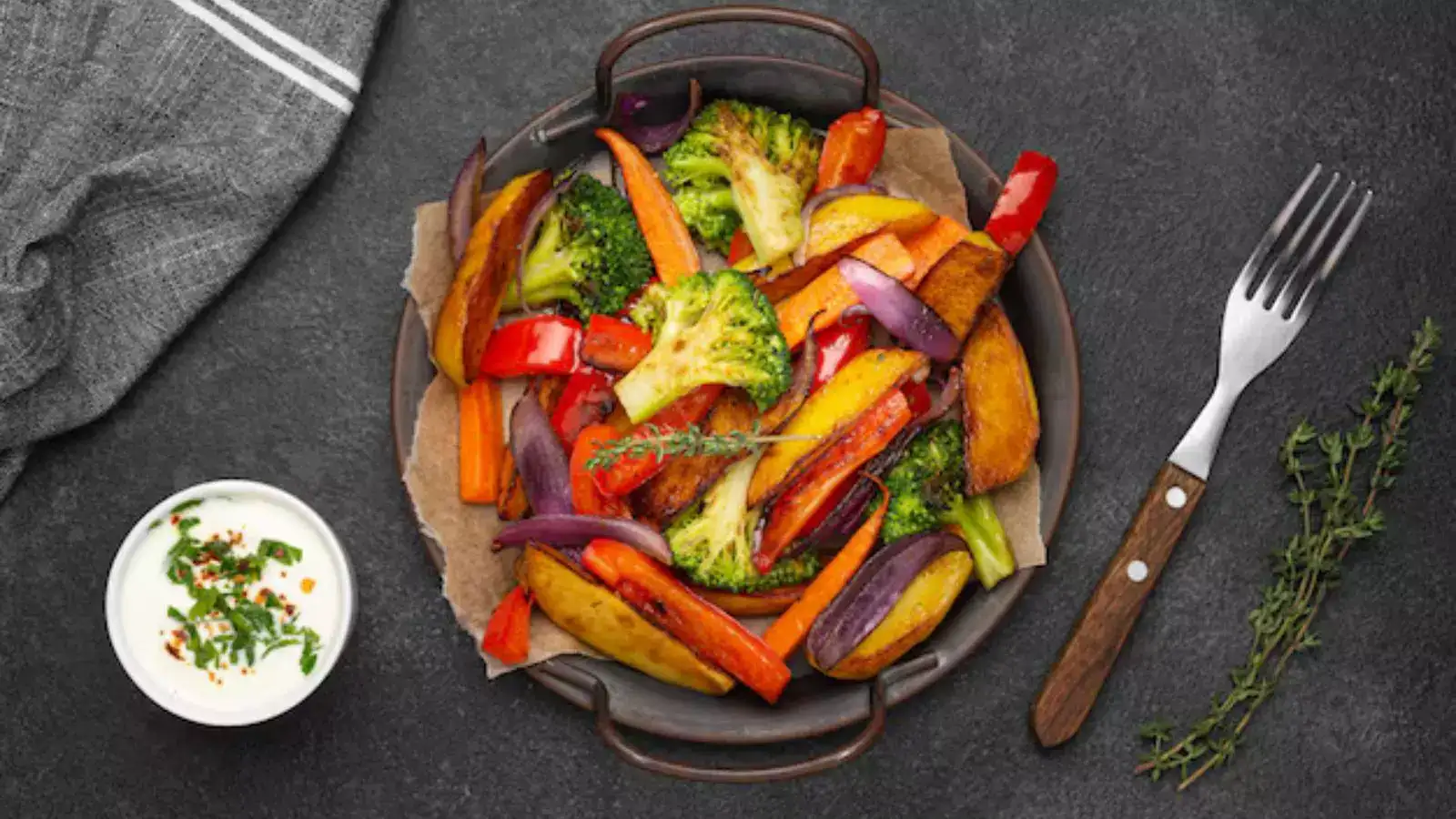
Root Vegetables: Carrots, potatoes, sweet potatoes, beets, parsnips, and turnips
Cruciferous Vegetables: Brussels sprouts, cauliflower, and broccoli
Squashes: Butternut squash, acorn squash, and zucchini
Other Favorites: Bell peppers, onions, mushrooms, cherry tomatoes, and asparagus
For best results, choose fresh, firm vegetables that are in season for the most flavor.
Prepping Your Vegetables
1. Wash and Dry Thoroughly
Dirt and excess moisture can affect the texture of roasted vegetables. Rinse them well under cold water, then pat them dry with a paper towel or clean kitchen towel.
2. Cut Evenly
Cut vegetables into uniform sizes to ensure even cooking. For example:
Potatoes and carrots: ½ to 1-inch cubes
Brussels sprouts: Halved
Peppers and onions: Sliced into strips
Zucchini: Cut into rounds or half-moons
3. Seasoning
Basic seasoning includes:
Olive oil: Helps with browning and adds flavor
Salt and pepper: Enhances the taste
Herbs and spices: Garlic powder, paprika, rosemary, thyme, or cumin
Toss the vegetables in a bowl with olive oil and seasonings before roasting to evenly coat them.
Roasting Instructions
1. Preheat Your Oven
Set your oven to 400–425°F (200–220°C). A high temperature helps achieve that perfect crispy texture.
2. Use a Baking Sheet
Line a baking sheet with parchment paper or a silicone mat to prevent sticking. Spread the vegetables in a single layer without overcrowding, allowing proper airflow for even roasting.
3. Roast to Perfection
Harder vegetables (carrots, potatoes, beets): 30–40 minutes
Softer vegetables (zucchini, bell peppers, asparagus): 15–25 minutes
Flip the vegetables halfway through roasting to ensure even browning.
Tips for the Best Roasted Vegetables
Don't overcrowd the pan – This prevents steaming and ensures crispiness.
Use high heat – It helps caramelize the vegetables.
Add fresh herbs or a squeeze of lemon after roasting for extra flavor.
Experiment with different seasonings – Try balsamic vinegar, Parmesan cheese, or chili flakes for variety.
Serving Suggestions
Roasted vegetables can be enjoyed in many ways:
As a side dish – Pairs well with grilled meats, fish, or tofu.
Over rice or quinoa – A nutritious grain bowl base.
In wraps or sandwiches – Adds a flavorful, roasted element.
With eggs – Perfect for breakfast scrambles or frittatas.
With these simple steps, you can create restaurant-quality roasted vegetables at home. Whether you're a beginner or a seasoned cook, roasting vegetables is a foolproof way to make a healthy and delicious dish.
Why Roast Vegetables?
Roasting brings out the natural sweetness of vegetables by caramelizing their sugars, resulting in a deep, rich flavor. Unlike boiling or steaming, which can sometimes make vegetables bland, roasting adds a crispy texture and enhances their taste with minimal effort.
Choosing the Right Vegetables
Most vegetables can be roasted, but some work better than others. Here are some great options:
Root Vegetables: Carrots, potatoes, sweet potatoes, beets, parsnips, and turnips
Cruciferous Vegetables: Brussels sprouts, cauliflower, and broccoli
Squashes: Butternut squash, acorn squash, and zucchini
Other Favorites: Bell peppers, onions, mushrooms, cherry tomatoes, and asparagus
For best results, choose fresh, firm vegetables that are in season for the most flavor.
Prepping Your Vegetables
1. Wash and Dry Thoroughly
Dirt and excess moisture can affect the texture of roasted vegetables. Rinse them well under cold water, then pat them dry with a paper towel or clean kitchen towel.
2. Cut Evenly
Cut vegetables into uniform sizes to ensure even cooking. For example:
Potatoes and carrots: ½ to 1-inch cubes
Brussels sprouts: Halved
Peppers and onions: Sliced into strips
Zucchini: Cut into rounds or half-moons
3. Seasoning
Basic seasoning includes:
Olive oil: Helps with browning and adds flavor
Salt and pepper: Enhances the taste
Herbs and spices: Garlic powder, paprika, rosemary, thyme, or cumin
Toss the vegetables in a bowl with olive oil and seasonings before roasting to evenly coat them.
Roasting Instructions
1. Preheat Your Oven
Set your oven to 400–425°F (200–220°C). A high temperature helps achieve that perfect crispy texture.
2. Use a Baking Sheet
Line a baking sheet with parchment paper or a silicone mat to prevent sticking. Spread the vegetables in a single layer without overcrowding, allowing proper airflow for even roasting.
3. Roast to Perfection
Harder vegetables (carrots, potatoes, beets): 30–40 minutes
Softer vegetables (zucchini, bell peppers, asparagus): 15–25 minutes
Flip the vegetables halfway through roasting to ensure even browning.
Tips for the Best Roasted Vegetables
Don't overcrowd the pan – This prevents steaming and ensures crispiness.
Use high heat – It helps caramelize the vegetables.
Add fresh herbs or a squeeze of lemon after roasting for extra flavor.
Experiment with different seasonings – Try balsamic vinegar, Parmesan cheese, or chili flakes for variety.
Serving Suggestions
Roasted vegetables can be enjoyed in many ways:
As a side dish – Pairs well with grilled meats, fish, or tofu.
Over rice or quinoa – A nutritious grain bowl base.
In wraps or sandwiches – Adds a flavorful, roasted element.
With eggs – Perfect for breakfast scrambles or frittatas.
With these simple steps, you can create restaurant-quality roasted vegetables at home. Whether you're a beginner or a seasoned cook, roasting vegetables is a foolproof way to make a healthy and delicious dish.
Next Story