
How To Understand Cat Body Language And Purring For A Stronger Pet Bond

Cats are often seen as mysterious companions, quietly observing the world around them while communicating in ways that can be difficult to interpret. Unlike dogs, which tend to express emotions more openly, cats rely heavily on subtle cues such as posture, tail movement and vocalisation. Among these, body language and purring are two of the most important forms of communication. Understanding these signals can help you build a deeper connection with your cat and respond more effectively to its needs.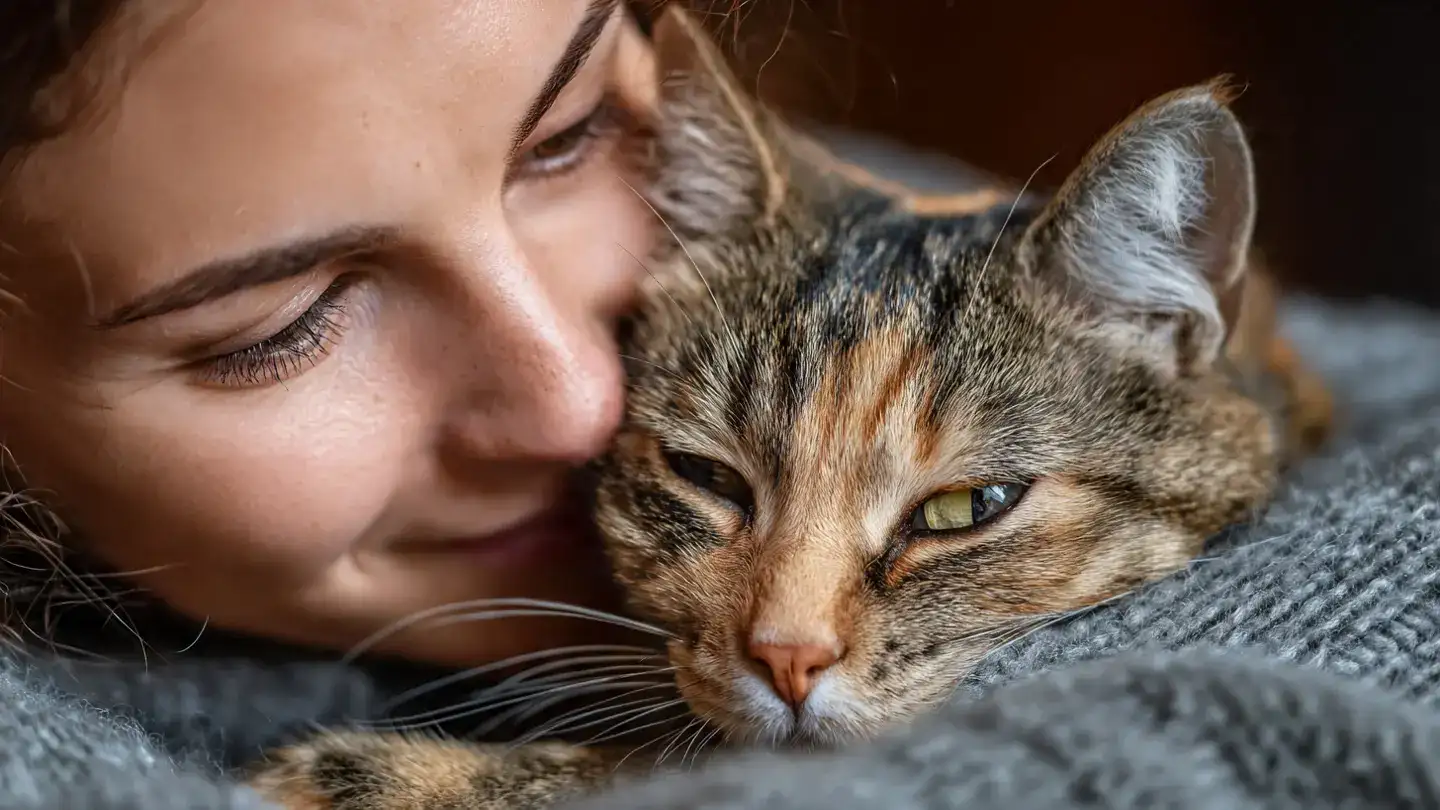
On the other hand, a tense body with flattened ears and a puffed-up tail signals fear or aggression. In such situations, it is best to give the cat space rather than attempting to interact immediately. Recognising these signs early can prevent stress and potential scratches or bites.
However, rapid tail flicking or lashing can signal irritation or frustration. If you notice this behaviour during play or petting, it is a clear sign that your cat needs a break. Understanding these signals can help avoid overstimulation.
Dilated pupils, however, may indicate excitement, fear or heightened alertness. The context is important here. During play, it may signal enthusiasm, while in a tense situation, it could mean the cat feels threatened.
The soothing vibrations of a purr are believed to have a calming effect, not just on humans but on the cats themselves. This makes purring a versatile form of communication that can signal both comfort and a need for reassurance.
Observing other body language cues alongside purring can help you better understand what your cat is experiencing. This combined approach ensures that you do not misinterpret important signals.
Spending time observing your cat’s behaviour in different situations will gradually improve your understanding. Over time, you will begin to recognise patterns and anticipate your pet’s reactions more accurately.
Cats may not always communicate in obvious ways, but their signals are consistent and meaningful. By learning to interpret them, you can deepen your relationship and ensure that your feline companion feels safe, understood and cared for every day.
Image Courtesy: Meta AI
The Basics Of Cat Body Language
A cat’s body can reveal far more than its voice. From the position of its ears to the movement of its tail, every detail carries meaning. A relaxed cat typically has a loose posture, with its tail resting comfortably and ears facing forward. This usually indicates that the cat feels safe and content in its environment.On the other hand, a tense body with flattened ears and a puffed-up tail signals fear or aggression. In such situations, it is best to give the cat space rather than attempting to interact immediately. Recognising these signs early can prevent stress and potential scratches or bites.
What The Tail Tells You
The tail is one of the most expressive parts of a cat’s body. A gently swaying tail often indicates curiosity or mild interest, while a high, upright tail usually reflects confidence and friendliness. Cats often greet their owners this way, showing comfort and trust.However, rapid tail flicking or lashing can signal irritation or frustration. If you notice this behaviour during play or petting, it is a clear sign that your cat needs a break. Understanding these signals can help avoid overstimulation.
Eye Contact And Facial Expressions
A cat’s eyes can be just as revealing as its body posture. Slow blinking is often considered a sign of affection and trust. When a cat looks at you and blinks slowly, it is essentially expressing comfort in your presence. Returning the gesture can strengthen your bond.Dilated pupils, however, may indicate excitement, fear or heightened alertness. The context is important here. During play, it may signal enthusiasm, while in a tense situation, it could mean the cat feels threatened.
Understanding Why Cats Purr
Purring is commonly associated with happiness, but it is more complex than that. While cats often purr when they are relaxed or being petted, they may also purr in stressful situations. This includes moments of discomfort, illness or even when they are trying to calm themselves.The soothing vibrations of a purr are believed to have a calming effect, not just on humans but on the cats themselves. This makes purring a versatile form of communication that can signal both comfort and a need for reassurance.
When Purring Means More Than Contentment
It is important to consider the context in which your cat is purring. If your cat is purring while curled up comfortably, it is likely a sign of satisfaction. However, if the purring is accompanied by unusual behaviour such as hiding or reduced appetite, it may indicate discomfort or stress.Observing other body language cues alongside purring can help you better understand what your cat is experiencing. This combined approach ensures that you do not misinterpret important signals.
Building A Stronger Bond Through Understanding
Learning to read your cat’s body language and purring is essential for building trust and companionship. By paying attention to these subtle signals, you can respond appropriately to your cat’s needs and create a more harmonious living environment.Spending time observing your cat’s behaviour in different situations will gradually improve your understanding. Over time, you will begin to recognise patterns and anticipate your pet’s reactions more accurately.
Cats may not always communicate in obvious ways, but their signals are consistent and meaningful. By learning to interpret them, you can deepen your relationship and ensure that your feline companion feels safe, understood and cared for every day.
Image Courtesy: Meta AI
Next Story