
How To Understand The Small Everyday Signs That Reveal Your Pet Truly Loves You

Pets become an important part of everyday life for millions of people. They offer companionship, emotional comfort and moments of joy that often make homes feel warmer and happier. While animals cannot express emotions through words, they communicate love and attachment through behaviour, body language and daily habits.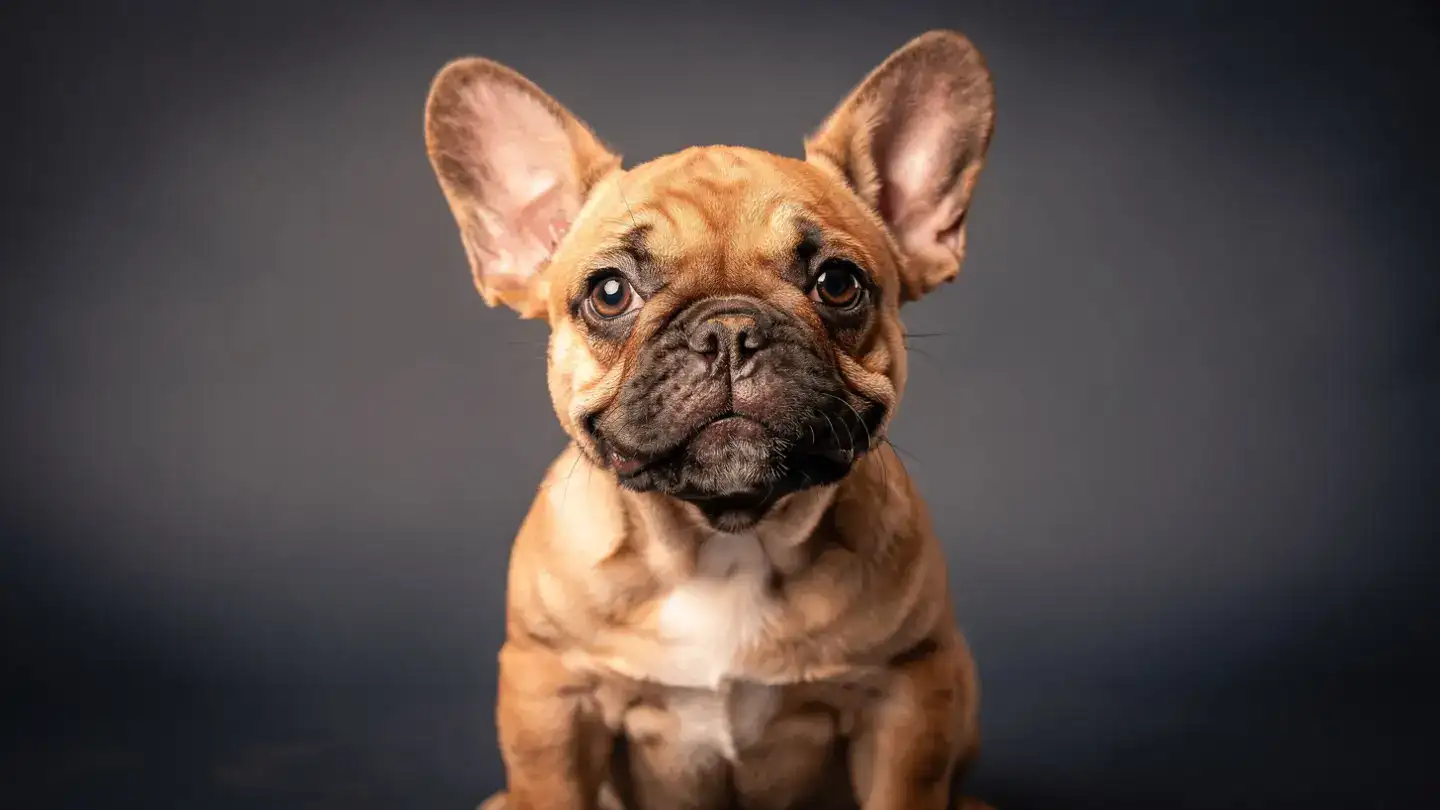
Many pet owners wonder whether their dog, cat or other companion animal truly feels affection towards them. The answer is often visible in the small things pets do every day. From following their owners around the house to seeking cuddles or becoming excited when someone returns home, animals have their own unique ways of expressing emotional connection.
Understanding these signs not only strengthens the bond between humans and pets but also helps owners respond better to their animals’ emotional needs. The relationship between pets and people is built on trust, care and companionship, and many behaviours clearly show when that bond becomes deep and meaningful.
Animals naturally stay near individuals they trust and feel emotionally connected to. When your pet chooses your company even while resting or relaxing, it often means they feel safe around you.
This behaviour is not always about needing food or attention. In many cases, pets simply enjoy being near the people they love because their presence brings comfort and security.
These reactions are signs of happiness and emotional recognition. Your pet associates you with care, safety and companionship, which is why your return becomes an exciting moment for them.
Even pets that appear calm or independent often show subtle signs of excitement, such as increased attention, vocal sounds or staying unusually close after you arrive.
Dogs that look at their owners calmly are usually showing affection and comfort. Cats may slowly blink while looking at someone they trust. Animal experts often describe this slow blinking behaviour as a form of emotional reassurance and attachment.
Strong eye contact without fear or tension suggests your pet feels emotionally secure in your presence.
These actions indicate trust and emotional comfort. Animals generally avoid close physical contact with people they do not feel safe around.
Some pets also sleep near their owners or prefer staying in the same room at night. Since animals are naturally protective about their resting spaces, sharing that comfort zone is often a strong sign of love and trust.
Although these behaviours can sometimes seem amusing, they often reflect emotional connection. Sharing valued objects is a way for pets to interact socially and seek attention from people they trust.
Playfulness itself is also an important sign of emotional wellbeing. Pets usually become playful when they feel relaxed, secure and happy in their environment.
Animals seek comfort from familiar individuals who make them feel protected. This behaviour shows that your pet sees you as a source of safety and emotional reassurance.
The emotional bond with pets becomes especially visible during such vulnerable moments because animals naturally move closer to trusted companions.
Some pets may quietly sit beside their owners when they are upset, while others become more affectionate during emotionally difficult times. This emotional responsiveness is a strong indicator of attachment and companionship.
Pets that react positively to your emotional state are usually deeply connected to you and attentive to your behaviour patterns.
From excited greetings and cuddles to quiet companionship and emotional sensitivity, pets constantly show signs of love through actions rather than words. These small but powerful behaviours strengthen the emotional relationship between pets and their owners.
Recognising these signs can help people appreciate the loyalty, trust and affection their pets bring into everyday life. For many individuals, that connection becomes one of the most comforting and rewarding relationships they experience.
Image Courtesy: Meta AI
Many pet owners wonder whether their dog, cat or other companion animal truly feels affection towards them. The answer is often visible in the small things pets do every day. From following their owners around the house to seeking cuddles or becoming excited when someone returns home, animals have their own unique ways of expressing emotional connection.
Understanding these signs not only strengthens the bond between humans and pets but also helps owners respond better to their animals’ emotional needs. The relationship between pets and people is built on trust, care and companionship, and many behaviours clearly show when that bond becomes deep and meaningful.
Your Pet Follows You Everywhere
One of the clearest signs your pet loves you is when it constantly wants to stay close to you. Dogs are especially known for following their owners from room to room, but cats and other pets may also display similar behaviour.Animals naturally stay near individuals they trust and feel emotionally connected to. When your pet chooses your company even while resting or relaxing, it often means they feel safe around you.
This behaviour is not always about needing food or attention. In many cases, pets simply enjoy being near the people they love because their presence brings comfort and security.
Excitement When You Return Home
A pet’s reaction when you come home says a lot about emotional attachment. Dogs may wag their tails enthusiastically, jump around or bring toys, while cats may rub against your legs or greet you at the door.These reactions are signs of happiness and emotional recognition. Your pet associates you with care, safety and companionship, which is why your return becomes an exciting moment for them.
Even pets that appear calm or independent often show subtle signs of excitement, such as increased attention, vocal sounds or staying unusually close after you arrive.
Eye Contact Shows Trust And Affection
Eye contact plays an important role in animal communication. When pets maintain relaxed and gentle eye contact with their owners, it is often a sign of trust and emotional bonding.Dogs that look at their owners calmly are usually showing affection and comfort. Cats may slowly blink while looking at someone they trust. Animal experts often describe this slow blinking behaviour as a form of emotional reassurance and attachment.
Strong eye contact without fear or tension suggests your pet feels emotionally secure in your presence.
Your Pet Enjoys Physical Contact
Physical closeness is another strong sign of affection in pets. Dogs may lean against their owners, rest their heads on laps or ask for belly rubs. Cats may curl up beside someone or sit comfortably on their owner’s lap.These actions indicate trust and emotional comfort. Animals generally avoid close physical contact with people they do not feel safe around.
Some pets also sleep near their owners or prefer staying in the same room at night. Since animals are naturally protective about their resting spaces, sharing that comfort zone is often a strong sign of love and trust.
They Bring You Toys Or Gifts
Many pets show affection by bringing objects to their owners. Dogs often carry toys as an invitation to play or interact, while some cats may bring small objects or even outdoor finds.Although these behaviours can sometimes seem amusing, they often reflect emotional connection. Sharing valued objects is a way for pets to interact socially and seek attention from people they trust.
Playfulness itself is also an important sign of emotional wellbeing. Pets usually become playful when they feel relaxed, secure and happy in their environment.
Your Pet Seeks Comfort From You
When pets feel anxious, unwell or frightened, they usually turn towards people they trust the most. A dog hiding near its owner during loud noises or a cat sitting close during stressful situations can indicate emotional dependence and attachment.You may also like
- METOD by IKEA: Designed for heavy-duty Indian kitchens
- She kept screaming, “I am not tied well”; teen tourist dies in a cliff swing accident in China sparking outrage over adventure tourism safety
- 10 personal things you should never share with your child
- Easy Sweet Tomato Chutney Recipe for Summer Meals
- SBI to disburse loans worth ₹80,000 crore; funds to reach 1.10 crore accounts, backed by a government guarantee..
Animals seek comfort from familiar individuals who make them feel protected. This behaviour shows that your pet sees you as a source of safety and emotional reassurance.
The emotional bond with pets becomes especially visible during such vulnerable moments because animals naturally move closer to trusted companions.
They Respond To Your Emotions
Many pets are surprisingly sensitive to human emotions. Dogs, in particular, often recognise sadness, stress or changes in mood through tone of voice, facial expressions and behaviour.Some pets may quietly sit beside their owners when they are upset, while others become more affectionate during emotionally difficult times. This emotional responsiveness is a strong indicator of attachment and companionship.
Pets that react positively to your emotional state are usually deeply connected to you and attentive to your behaviour patterns.
Understanding Pet Love Goes Beyond Words
The bond between humans and pets is built through daily care, trust and emotional companionship. Although animals express affection differently from people, their behaviours often communicate deep emotional attachment in clear and meaningful ways.From excited greetings and cuddles to quiet companionship and emotional sensitivity, pets constantly show signs of love through actions rather than words. These small but powerful behaviours strengthen the emotional relationship between pets and their owners.
Recognising these signs can help people appreciate the loyalty, trust and affection their pets bring into everyday life. For many individuals, that connection becomes one of the most comforting and rewarding relationships they experience.
Image Courtesy: Meta AI






More from our partners


Loving Newspoint? Download the app now
