
How To Use Colour And Light At Home To Boost Mood Create Calm And Transform Everyday Living

The Science Of Colour And Lighting At Home And How It Shapes Mood Energy And Emotional Balance: Our homes influence how we think, feel and function every single day. From the shade of the walls to the warmth of the lighting, subtle environmental factors shape emotional wellbeing in powerful ways. Research in colour psychology at home and lighting for mood improvement shows that thoughtfully designed interiors can reduce stress, enhance focus and encourage relaxation. The right balance of natural light benefits and carefully chosen colour tones can transform an ordinary space into a supportive sanctuary. Understanding the emotional impact of colour allows homeowners to make intentional design decisions that improve comfort, productivity and overall happiness.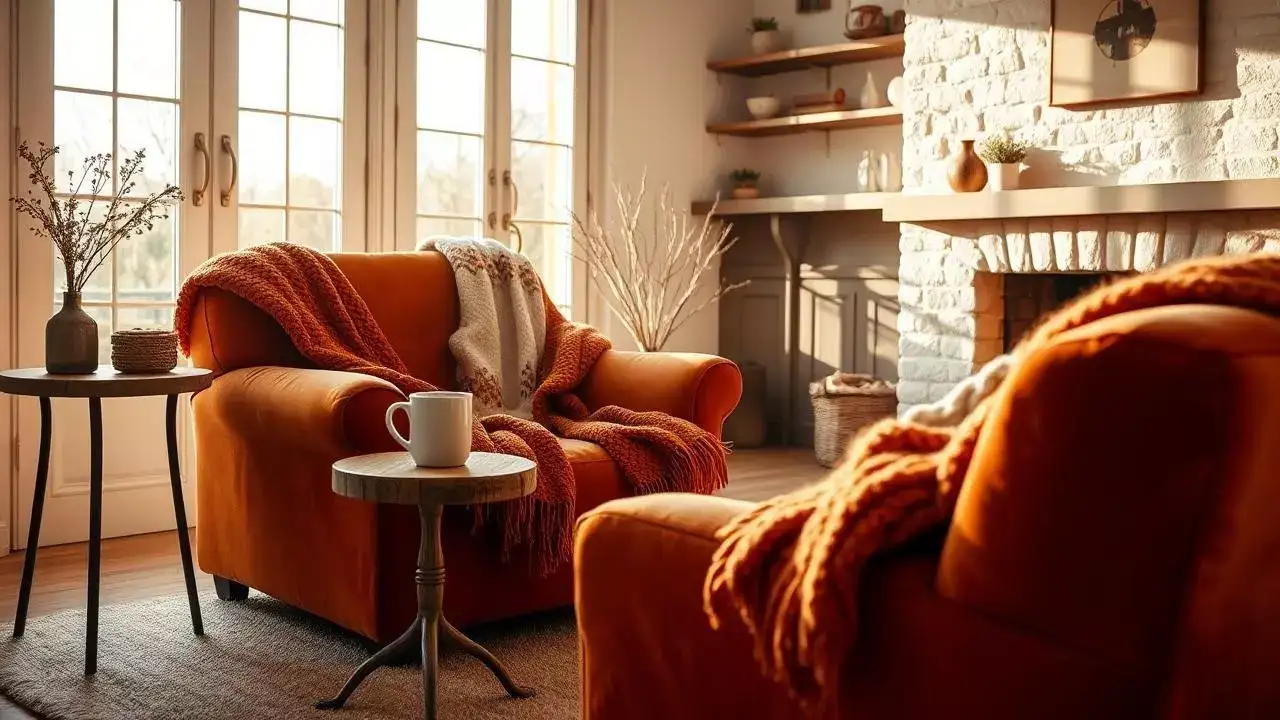
When applying colour psychology at home, it is important to consider the purpose of each room. Bedrooms benefit from soothing shades that encourage rest and relaxation. Living rooms often work well with warm but muted colours that support conversation and comfort. Home offices may benefit from balanced tones that enhance concentration without overstimulation.
Bold colours can be used strategically as accents rather than overwhelming entire walls. Cushions, artwork or decorative pieces allow experimentation without long-term commitment. The emotional impact of colour depends not only on hue but also on intensity. Soft, muted shades often feel more relaxing than highly saturated tones.
Maximising natural light can be achieved through simple adjustments. Keeping windows unobstructed, choosing light-filtering curtains and using reflective surfaces such as mirrors can enhance brightness. Positioning furniture to allow sunlight flow improves both aesthetics and comfort.
For spaces with limited windows, choosing lighter wall colours can amplify available daylight. Even subtle design changes can significantly improve the atmosphere of a room. When daylight is balanced properly, it reduces reliance on artificial lighting and creates a more uplifting environment.
Layered lighting is one of the most effective strategies for lighting for mood improvement. Combining ambient lighting, task lighting and accent lighting allows flexibility throughout the day. For example, soft table lamps in the evening can create a cosy ambience, while brighter overhead lights may support productivity during daytime activities.
Adjustable lighting systems or dimmers offer control over brightness levels, helping individuals tailor the atmosphere to specific moods or occasions. Cool-toned lighting can enhance focus in study areas, whereas warmer tones encourage calmness in restful spaces.
In small rooms, lighter colours combined with adequate lighting create an illusion of spaciousness. In larger areas, deeper tones balanced with warm lighting can add intimacy and character. Kitchens benefit from bright, clear lighting that supports visibility and safety, while still incorporating soft elements for comfort.
Home décor for wellbeing focuses on harmony rather than extremes. Overly dark spaces may lower energy levels, while excessively bright environments can feel overstimulating. Finding the right balance supports emotional equilibrium and daily comfort.
Simple updates such as changing cushion covers, adding indoor plants or repositioning lamps can refresh a room without major renovation. Plants, in particular, complement both colour and lighting strategies by adding natural vibrancy and improving indoor ambience.
Mood boosting interior design does not require expensive redesigns. Small, intentional changes can have a meaningful impact. Choosing artwork in calming shades, installing adjustable lighting or simply allowing more daylight into the room can improve daily emotional wellbeing.
Ultimately, using colour and light effectively at home is about awareness and balance. When design decisions align with psychological comfort and practical needs, living spaces become more than functional environments. They become supportive spaces that nurture calmness, energy and emotional stability.
Understanding The Psychology Of Colour In Living Spaces
Colour has a measurable influence on mood and behaviour. Warm shades such as soft yellows and gentle peaches often create a sense of comfort and positivity. Cool tones like blues and greens are commonly associated with calmness and balance. Neutral shades provide stability and can make a room feel spacious and organised.When applying colour psychology at home, it is important to consider the purpose of each room. Bedrooms benefit from soothing shades that encourage rest and relaxation. Living rooms often work well with warm but muted colours that support conversation and comfort. Home offices may benefit from balanced tones that enhance concentration without overstimulation.
Bold colours can be used strategically as accents rather than overwhelming entire walls. Cushions, artwork or decorative pieces allow experimentation without long-term commitment. The emotional impact of colour depends not only on hue but also on intensity. Soft, muted shades often feel more relaxing than highly saturated tones.
The Role Of Natural Light In Emotional Wellbeing
Natural light benefits extend far beyond visual comfort. Exposure to daylight supports healthy sleep cycles by regulating the body’s internal clock. It also contributes to improved mood and energy levels. Homes that allow sufficient daylight tend to feel more open and welcoming.Maximising natural light can be achieved through simple adjustments. Keeping windows unobstructed, choosing light-filtering curtains and using reflective surfaces such as mirrors can enhance brightness. Positioning furniture to allow sunlight flow improves both aesthetics and comfort.
For spaces with limited windows, choosing lighter wall colours can amplify available daylight. Even subtle design changes can significantly improve the atmosphere of a room. When daylight is balanced properly, it reduces reliance on artificial lighting and creates a more uplifting environment.
Choosing Artificial Lighting For Mood Improvement
Artificial lighting plays an equally important role in mood boosting interior design . Harsh white lighting can create tension and visual fatigue, particularly in the evening. Warmer lighting tones often promote relaxation and are suitable for bedrooms and living areas.Layered lighting is one of the most effective strategies for lighting for mood improvement. Combining ambient lighting, task lighting and accent lighting allows flexibility throughout the day. For example, soft table lamps in the evening can create a cosy ambience, while brighter overhead lights may support productivity during daytime activities.
Adjustable lighting systems or dimmers offer control over brightness levels, helping individuals tailor the atmosphere to specific moods or occasions. Cool-toned lighting can enhance focus in study areas, whereas warmer tones encourage calmness in restful spaces.
Balancing Colour And Light For Different Rooms
The interaction between colour and light determines how a space truly feels. A pale blue wall may appear calming in natural daylight but could feel dull under harsh artificial lighting. Testing paint samples under different lighting conditions ensures the desired effect is achieved.In small rooms, lighter colours combined with adequate lighting create an illusion of spaciousness. In larger areas, deeper tones balanced with warm lighting can add intimacy and character. Kitchens benefit from bright, clear lighting that supports visibility and safety, while still incorporating soft elements for comfort.
Home décor for wellbeing focuses on harmony rather than extremes. Overly dark spaces may lower energy levels, while excessively bright environments can feel overstimulating. Finding the right balance supports emotional equilibrium and daily comfort.
Seasonal Adjustments To Maintain Positive Energy
Mood can shift with seasonal changes, and interior adjustments can help maintain balance. During colder months when daylight hours are shorter, incorporating warmer lighting and richer colours can counteract feelings of dullness. In warmer seasons, lighter fabrics and cooler tones create a refreshing effect.Simple updates such as changing cushion covers, adding indoor plants or repositioning lamps can refresh a room without major renovation. Plants, in particular, complement both colour and lighting strategies by adding natural vibrancy and improving indoor ambience.
Creating A Personalised Atmosphere For Emotional Comfort
Every individual responds differently to colour and light. Personal preferences, cultural influences and daily routines all shape how a space is experienced. Observing how certain rooms make you feel at different times of day can guide thoughtful adjustments.Mood boosting interior design does not require expensive redesigns. Small, intentional changes can have a meaningful impact. Choosing artwork in calming shades, installing adjustable lighting or simply allowing more daylight into the room can improve daily emotional wellbeing.
Ultimately, using colour and light effectively at home is about awareness and balance. When design decisions align with psychological comfort and practical needs, living spaces become more than functional environments. They become supportive spaces that nurture calmness, energy and emotional stability.
Next Story