
How Whale Poop Quietly Supports Ocean Life and Stabilizes Earth’s Climate

When we think about climate change , giant whales are not usually part of the conversation. Yet these ocean giants play a surprisingly important role in keeping the planet balanced. One of the most powerful ways they do this is through something simple and often ignored. Their waste.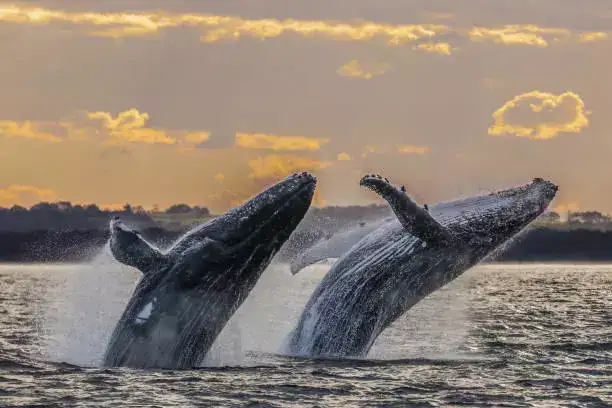
It may sound unusual, but whale poop helps drive a natural cycle that supports ocean life , boosts oxygen production, and even helps control carbon levels in the atmosphere.
The Tiny Powerhouses of the Ocean
At the centre of this process are Phytoplankton. These microscopic organisms float near the ocean’s surface and form the base of the marine food chain.
Phytoplankton are vital for life on Earth. They absorb carbon dioxide during photosynthesis and release oxygen as a by-product. In fact, a large portion of the oxygen we breathe comes from these tiny plants. By reducing carbon dioxide levels, they also play a key role in regulating the planet’s climate.
How Whales Feed an Entire Ecosystem
Whales spend much of their time feeding deep below the ocean surface. When they return to the top and release waste, it is rich in nutrients such as iron, nitrogen, and phosphorus.
These nutrients act like a natural fertiliser for phytoplankton. In many parts of the ocean, especially nutrient-poor regions, this input is essential for phytoplankton to grow and multiply.
As phytoplankton thrive, they support a wide range of marine life. Small fish, crustaceans, and even larger predators depend on this foundation. In this way, whales help sustain the entire ocean food web.
Understanding the Whale Pump
Scientists call this nutrient recycling system the Whale Pump. It is a simple yet powerful process.
Whales feed in deep waters where nutrients are abundant. When they come up to breathe and rest, they release those nutrients at the surface through their waste. This movement brings essential elements from the depths to areas where sunlight allows phytoplankton to grow.
Without the whale pump, many surface waters would lack the nutrients needed to support life, making the oceans less productive.
Whales and Carbon Storage
The impact of whales goes beyond supporting marine life. They also play a role in storing carbon. As phytoplankton populations increase, more carbon dioxide is absorbed from the atmosphere.
When phytoplankton die, they sink to the ocean floor, carrying the stored carbon with them. This natural process, known as Carbon Sequestration, helps lock carbon away for long periods.
By boosting phytoplankton growth, whales indirectly help the ocean act as a carbon sink, reducing the amount of greenhouse gases in the atmosphere.
What Happens When Whales Disappear
History has shown what happens when whale populations decline. Large-scale whaling in the past drastically reduced their numbers, disrupting this natural system.
With fewer whales, fewer nutrients were recycled back to the ocean surface. This likely led to reduced phytoplankton growth and affected the balance of marine ecosystems. It is a clear example of how the loss of one species can impact an entire chain of life.
Why Whale Conservation Matters
Protecting whales is not only about preserving marine biodiversity. It is also about maintaining the health of the planet. These animals play a crucial role in nutrient cycling, oxygen production, and climate regulation.
Their presence helps keep oceans productive and supports systems that benefit life far beyond the sea.
A Quiet Force in Nature
Whales may move slowly and silently through the oceans, but their influence is far-reaching. From feeding microscopic plants to helping store carbon deep in the sea, they are an essential part of Earth’s natural balance.
This story is a reminder that even the simplest processes in nature can have a huge impact. Something as ordinary as whale waste turns out to be a powerful force supporting life and helping regulate the climate on a global scale.
It may sound unusual, but whale poop helps drive a natural cycle that supports ocean life , boosts oxygen production, and even helps control carbon levels in the atmosphere.
The Tiny Powerhouses of the Ocean
At the centre of this process are Phytoplankton. These microscopic organisms float near the ocean’s surface and form the base of the marine food chain.Phytoplankton are vital for life on Earth. They absorb carbon dioxide during photosynthesis and release oxygen as a by-product. In fact, a large portion of the oxygen we breathe comes from these tiny plants. By reducing carbon dioxide levels, they also play a key role in regulating the planet’s climate.
How Whales Feed an Entire Ecosystem
Whales spend much of their time feeding deep below the ocean surface. When they return to the top and release waste, it is rich in nutrients such as iron, nitrogen, and phosphorus.These nutrients act like a natural fertiliser for phytoplankton. In many parts of the ocean, especially nutrient-poor regions, this input is essential for phytoplankton to grow and multiply.
As phytoplankton thrive, they support a wide range of marine life. Small fish, crustaceans, and even larger predators depend on this foundation. In this way, whales help sustain the entire ocean food web.
Understanding the Whale Pump
Scientists call this nutrient recycling system the Whale Pump. It is a simple yet powerful process. Whales feed in deep waters where nutrients are abundant. When they come up to breathe and rest, they release those nutrients at the surface through their waste. This movement brings essential elements from the depths to areas where sunlight allows phytoplankton to grow.
You may also like
- Silver Prices Fall Sharply on March 24: Check Latest Rates Across Major Indian Cities
- New ATM Rule: ATM rules are changing starting April 1st; cash can now be withdrawn using a QR code..
- Super rich rotis
- Blood in Urine: If there is blood in urine, it could be cancer; get this test done immediately.
- Heatwave and Nervous System: Why is the coming summer dangerous for your nervous system, know which diseases are at risk.
Without the whale pump, many surface waters would lack the nutrients needed to support life, making the oceans less productive.
Whales and Carbon Storage
The impact of whales goes beyond supporting marine life. They also play a role in storing carbon. As phytoplankton populations increase, more carbon dioxide is absorbed from the atmosphere. When phytoplankton die, they sink to the ocean floor, carrying the stored carbon with them. This natural process, known as Carbon Sequestration, helps lock carbon away for long periods.
By boosting phytoplankton growth, whales indirectly help the ocean act as a carbon sink, reducing the amount of greenhouse gases in the atmosphere.
What Happens When Whales Disappear
History has shown what happens when whale populations decline. Large-scale whaling in the past drastically reduced their numbers, disrupting this natural system.With fewer whales, fewer nutrients were recycled back to the ocean surface. This likely led to reduced phytoplankton growth and affected the balance of marine ecosystems. It is a clear example of how the loss of one species can impact an entire chain of life.
Why Whale Conservation Matters
Protecting whales is not only about preserving marine biodiversity. It is also about maintaining the health of the planet. These animals play a crucial role in nutrient cycling, oxygen production, and climate regulation. Their presence helps keep oceans productive and supports systems that benefit life far beyond the sea.
A Quiet Force in Nature
Whales may move slowly and silently through the oceans, but their influence is far-reaching. From feeding microscopic plants to helping store carbon deep in the sea, they are an essential part of Earth’s natural balance. This story is a reminder that even the simplest processes in nature can have a huge impact. Something as ordinary as whale waste turns out to be a powerful force supporting life and helping regulate the climate on a global scale.






More from our partners


Loving Newspoint? Download the app now
