
Indian Passport Climbs 10 Places in 2026 Henley Passport Index to 75th Spot

In the world of global travel, a passport’s strength defined by the number of countries its holders can visit without a prior visa is a key indicator of international mobility and diplomatic stature. In the 2026 Henley Passport Index, the Indian passport has made a significant leap, climbing ten places to 75th rank among the world’s most powerful passports. This improvement reflects enhanced travel freedom for Indian citizens and comes after a period of fluctuation in recent years.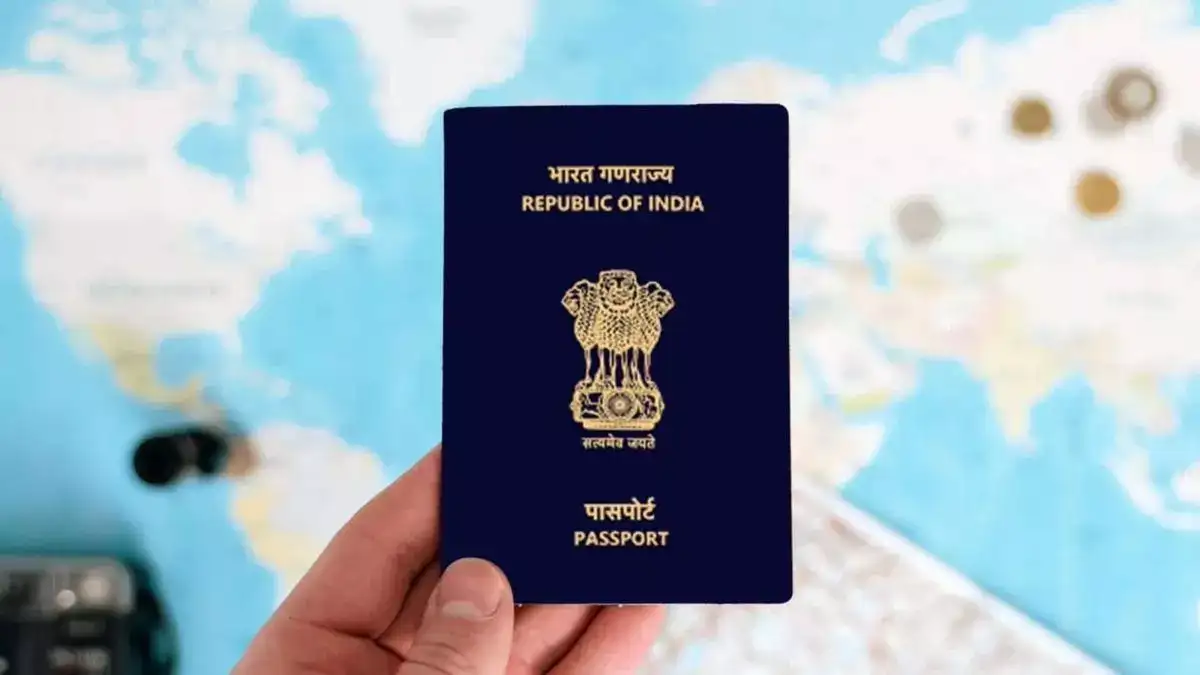
The Henley Passport Index, compiled annually by Henley & Partners using data from the International Air Transport Association (IATA), ranks passports based on how many destinations their holders can enter without needing a visa before departure. The index counts destinations that offer visa-free access, visa-on-arrival, a visitor’s permit at the border, or an easy electronic travel authorization (e-TA). Higher rankings denote stronger travel freedom and diplomatic reach.
For Indian passport holders, this year’s ranking is a welcome development. India now stands at 75th place, a significant rise from 85th in 2025. Although ranking positions can shift due to policy changes affecting other countries, the rise indicates a net improvement in travel access. Indian travelers can now access 56 destinations without a traditional visa, encompassing a mix of countries in Asia, Africa, the Caribbean, the Pacific and beyond. These include popular holiday and business destinations that now welcome Indians with simplified entry procedures.
However, the journey hasn’t been linear. In recent years, India’s passport experienced shifts in ranking, from 80th earlier in 2026 to 85th in 2025, influenced by changes in visa agreements and global diplomatic dynamics. For example, countries like Iran and Bolivia have recently tightened their entry rules for Indian passport holders, resulting in the loss of visa-free access. Despite these changes, the overall ranking improved because other countries also saw larger declines, underscoring how dynamic global mobility can be.
While the rise to 75th is significant, it still lags behind India’s peak historical ranking, which was achieved in 2006when the passport reached 71st position. Nevertheless, the current standing is a recovery after recent slips, and suggests a gradual strengthening of India’s global mobility prospects. It also underscores the importance of bilateral negotiations and diplomatic relations in shaping travel policies that benefit citizens.
Despite this progress, Indian travelers still face restrictions when planning visits to many major destinations, including much of Europe, North America, and Oceania, where traditional visas are required in advance. These regions remain key goals for improving travel freedom, and further progress in global mobility will require strong diplomatic efforts and reciprocal agreements with these nations.
At the top of the Henley Passport Index, countries such as Singapore, Japan, and South Korea dominate, with access to over 180 destinations without prior visa requirements, a stark contrast to India’s current scope. Nonetheless, climbing the rankings reflects meaningful progress for the Indian diaspora, students, professionals and tourists alike, providing a broader horizon for international travel.
In an increasingly interconnected world, passports continue to offer more than travel convenience, they are a barometer of global connectivity, diplomatic cooperation and economic openness. India’s improved ranking in 2026 is a step forward in this long journey toward wider global reach.
The Henley Passport Index, compiled annually by Henley & Partners using data from the International Air Transport Association (IATA), ranks passports based on how many destinations their holders can enter without needing a visa before departure. The index counts destinations that offer visa-free access, visa-on-arrival, a visitor’s permit at the border, or an easy electronic travel authorization (e-TA). Higher rankings denote stronger travel freedom and diplomatic reach.
For Indian passport holders, this year’s ranking is a welcome development. India now stands at 75th place, a significant rise from 85th in 2025. Although ranking positions can shift due to policy changes affecting other countries, the rise indicates a net improvement in travel access. Indian travelers can now access 56 destinations without a traditional visa, encompassing a mix of countries in Asia, Africa, the Caribbean, the Pacific and beyond. These include popular holiday and business destinations that now welcome Indians with simplified entry procedures.
However, the journey hasn’t been linear. In recent years, India’s passport experienced shifts in ranking, from 80th earlier in 2026 to 85th in 2025, influenced by changes in visa agreements and global diplomatic dynamics. For example, countries like Iran and Bolivia have recently tightened their entry rules for Indian passport holders, resulting in the loss of visa-free access. Despite these changes, the overall ranking improved because other countries also saw larger declines, underscoring how dynamic global mobility can be.
While the rise to 75th is significant, it still lags behind India’s peak historical ranking, which was achieved in 2006when the passport reached 71st position. Nevertheless, the current standing is a recovery after recent slips, and suggests a gradual strengthening of India’s global mobility prospects. It also underscores the importance of bilateral negotiations and diplomatic relations in shaping travel policies that benefit citizens.
Despite this progress, Indian travelers still face restrictions when planning visits to many major destinations, including much of Europe, North America, and Oceania, where traditional visas are required in advance. These regions remain key goals for improving travel freedom, and further progress in global mobility will require strong diplomatic efforts and reciprocal agreements with these nations.
At the top of the Henley Passport Index, countries such as Singapore, Japan, and South Korea dominate, with access to over 180 destinations without prior visa requirements, a stark contrast to India’s current scope. Nonetheless, climbing the rankings reflects meaningful progress for the Indian diaspora, students, professionals and tourists alike, providing a broader horizon for international travel.
In an increasingly interconnected world, passports continue to offer more than travel convenience, they are a barometer of global connectivity, diplomatic cooperation and economic openness. India’s improved ranking in 2026 is a step forward in this long journey toward wider global reach.
Next Story