
Which Indian River Was Once Called ‘The English Channel’ and Why

In the context of general knowledge questions and geography trivia, one of the most interesting nicknames given to an Indian river relates to colonial history and international competition for territory. A small river in southern India was once nicknamed the “English Channel” because of the way it separated areas under British and French colonial control.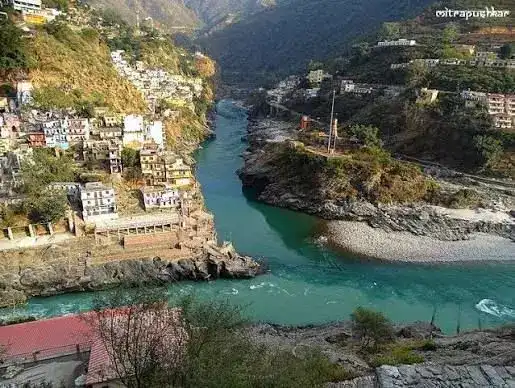
The river in question is the Mahe River, also locally known as Mayyazhipuzha. It flows through the south-western part of India, primarily passing through Kerala and the tiny territorial enclave of Mahe, which is part of the Union Territory of Puducherry. Historically, the Mahe River formed a natural dividing line between the British-ruled region around Thalassery and the French-ruled territory of Mahe. Because it marked that colonial boundary, educational and quiz sources have referred to it informally as the “English Channel” of India — the name likening it to the famous European waterway that separates Britain and France.
The English Channel in Europe is a narrow but historically and strategically significant arm of the Atlantic Ocean lying between southern England and northern France. It has played a major role in trade, naval defence and cultural exchange over centuries. Likewise, the name given to the Mahe River reflected how geography once delineated zones of influence between global powers on Indian soil, even though in scale and significance it was very different from its European namesake.
Today, the Mahe River is best known as a scenic watercourse meandering through lush landscapes in the Wayanad and Kozhikode districts of Kerala before entering the Arabian Sea. It has hillside origins in the Western Ghats, a biodiverse mountain range recognised for its forests, wildlife and rivers. The river supports local communities and ecosystems along its course, and it also offers peaceful views that attract travellers exploring south India’s off-beat destinations.
Unlike major rivers such as the Ganga, Yamuna or Brahmaputra, which are well-known for their vast basins and roles in Indian culture and agriculture, the Mahe River is relatively short. This makes its historical nickname especially interesting, because it was given based on its role as a political boundary rather than its size or economic importance.
General knowledge quizzes and exam questions sometimes use this river as an example of how geographical features can be remembered through unusual or metaphorical names. In this case, contrasting a small river in Kerala with a major European channel helps learners recall the historical context behind the trivia.
The river in question is the Mahe River, also locally known as Mayyazhipuzha. It flows through the south-western part of India, primarily passing through Kerala and the tiny territorial enclave of Mahe, which is part of the Union Territory of Puducherry. Historically, the Mahe River formed a natural dividing line between the British-ruled region around Thalassery and the French-ruled territory of Mahe. Because it marked that colonial boundary, educational and quiz sources have referred to it informally as the “English Channel” of India — the name likening it to the famous European waterway that separates Britain and France.
The English Channel in Europe is a narrow but historically and strategically significant arm of the Atlantic Ocean lying between southern England and northern France. It has played a major role in trade, naval defence and cultural exchange over centuries. Likewise, the name given to the Mahe River reflected how geography once delineated zones of influence between global powers on Indian soil, even though in scale and significance it was very different from its European namesake.
Today, the Mahe River is best known as a scenic watercourse meandering through lush landscapes in the Wayanad and Kozhikode districts of Kerala before entering the Arabian Sea. It has hillside origins in the Western Ghats, a biodiverse mountain range recognised for its forests, wildlife and rivers. The river supports local communities and ecosystems along its course, and it also offers peaceful views that attract travellers exploring south India’s off-beat destinations.
Unlike major rivers such as the Ganga, Yamuna or Brahmaputra, which are well-known for their vast basins and roles in Indian culture and agriculture, the Mahe River is relatively short. This makes its historical nickname especially interesting, because it was given based on its role as a political boundary rather than its size or economic importance.
General knowledge quizzes and exam questions sometimes use this river as an example of how geographical features can be remembered through unusual or metaphorical names. In this case, contrasting a small river in Kerala with a major European channel helps learners recall the historical context behind the trivia.
Next Story