
Indian-Style Portion Control Tips For Weight Loss That Actually Fit Daily Life

Portion control does not mean giving up familiar Indian meals or constantly counting every calorie. The real goal is to create balance within the foods you already enjoy every day. With traditional Indian plates often featuring cereals, dals, vegetables, dairy and occasional sweets, small adjustments in serving sizes can quietly support steady weight loss without making meals feel restrictive. The key lies in understanding proportions, hunger cues and meal timing rather than avoiding favourite foods. These practical Indian-style portion control tips can make everyday eating lighter, smarter and far easier to sustain over time while still keeping meals satisfying and culturally familiar.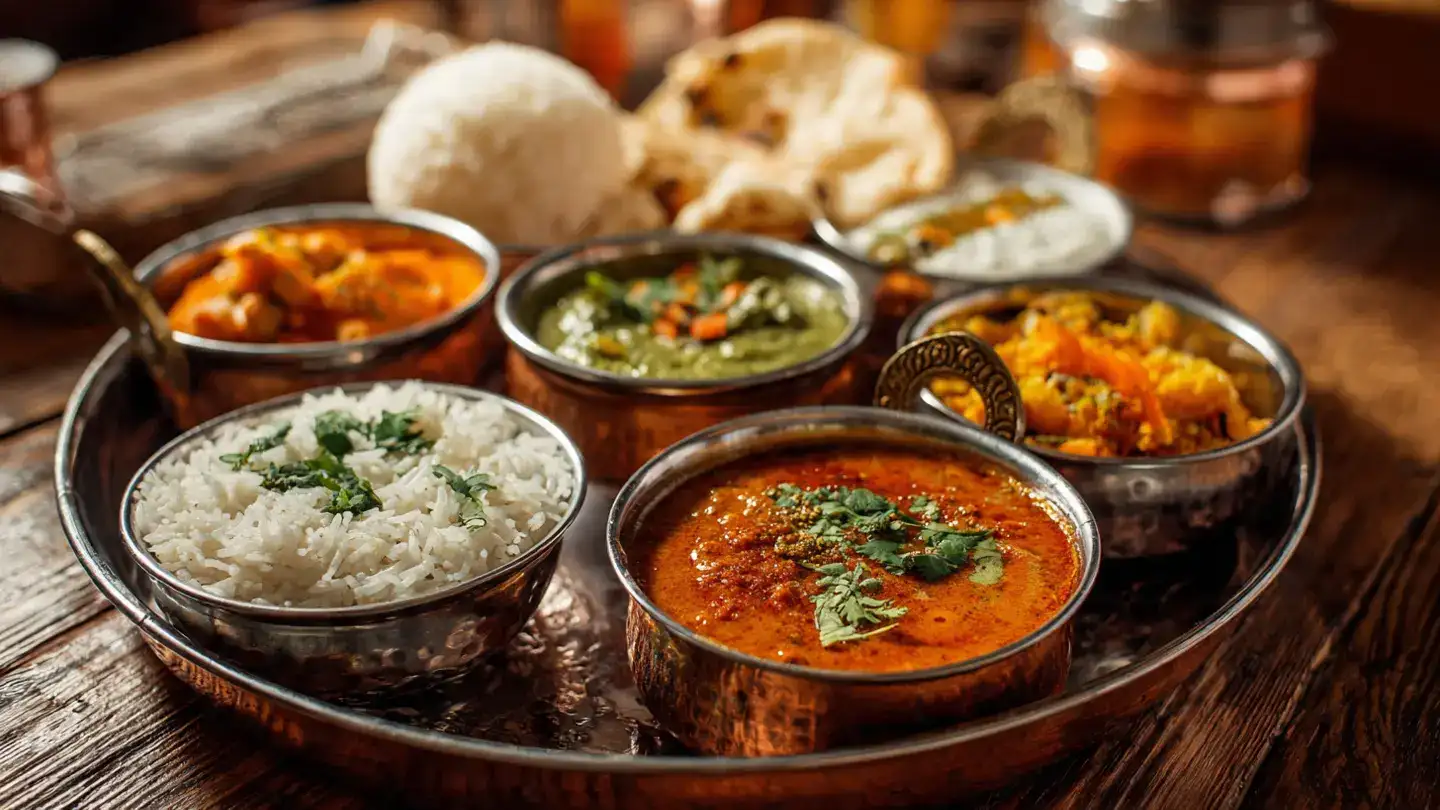
Try filling half the plate with sabzi or salad, one quarter with roti or rice, and the remaining quarter with dal, paneer or another protein-rich option. This visual structure reduces overeating and supports a balanced intake.
If you prefer rice, keep it to one katori and pair it with extra dal and vegetables. If rotis are your comfort food, two medium rotis with generous sabzi and protein can be more satisfying than mixing multiple grain portions together.
This creates a clear stopping point and helps you stay aware of how much you are eating. It is especially useful during evening tea time, when mindless snacking can quietly add excess calories.
Take smaller bites, pause between servings and avoid rushing through meals while watching screens. Slower eating improves digestion and gives the brain enough time to register satisfaction, which naturally helps with portion control.
Start the meal with a few spoonfuls of dal or curd before moving to rice or rotis. This can reduce hunger intensity and make it easier to keep cereal portions moderate.
Often, the first serving is already enough once the stomach has had time to signal fullness. This small pause can make a big difference to long-term weight control.
For example, one papad or a teaspoon of pickle is usually enough to enhance the meal without overpowering the main plate. This helps maintain satisfaction while keeping portions sensible.
This method is useful when eating outside, at weddings or during travel, where measuring bowls may not be available.
Choose one small piece or a few spoonfuls after the meal instead of eating straight from the serving dish. Enjoying dessert mindfully keeps cravings under control without guilt.
When these habits become part of your normal Indian eating pattern, weight loss feels natural and sustainable. The aim is not perfection but creating a routine that supports health without taking away the joy of food.
With Indian-style meals, weight loss becomes easier when the focus shifts from eliminating foods to balancing them wisely. Familiar dishes can remain part of everyday life as long as portions stay thoughtful. Over time, these small plate habits can quietly lead to better digestion, improved energy and gradual, lasting fat loss.
Image Courtesy: Meta AI
Start With A Smaller Plate
One of the simplest ways to manage portions is to use a smaller thali or plate. Large plates often make normal servings look small, leading people to add extra rice, rotis or curries without real hunger. A medium-sized plate naturally limits quantity while still making the meal feel complete.Try filling half the plate with sabzi or salad, one quarter with roti or rice, and the remaining quarter with dal, paneer or another protein-rich option. This visual structure reduces overeating and supports a balanced intake.
Follow The Roti-And-Rice Rule
Many Indian meals include both rice and rotis, which can easily increase total carbohydrate intake. Instead of having full portions of both, choose one as the main grain source for the meal.If you prefer rice, keep it to one katori and pair it with extra dal and vegetables. If rotis are your comfort food, two medium rotis with generous sabzi and protein can be more satisfying than mixing multiple grain portions together.
Serve Snacks In Bowls, Not Packets
Even healthy snacks can lead to overeating when eaten directly from large jars or packets. Whether it is makhana, roasted chana, peanuts or homemade chivda, always transfer a fixed amount into a small bowl.This creates a clear stopping point and helps you stay aware of how much you are eating. It is especially useful during evening tea time, when mindless snacking can quietly add excess calories.
Slow Down During Meals
Eating too quickly often leads to consuming more before the body signals fullness. Indian family meals are best enjoyed slowly, allowing time to chew properly and savour flavours.Take smaller bites, pause between servings and avoid rushing through meals while watching screens. Slower eating improves digestion and gives the brain enough time to register satisfaction, which naturally helps with portion control.
Prioritise Dal, Curd And Protein
Protein-rich foods help you feel full for longer, reducing the urge for second helpings. In Indian meals, dal, rajma, chole, curd, paneer, eggs or grilled chicken can all play this role.Start the meal with a few spoonfuls of dal or curd before moving to rice or rotis. This can reduce hunger intensity and make it easier to keep cereal portions moderate.
Be Careful With Second Servings
Second helpings are one of the most common reasons portion sizes grow beyond what the body needs. Before serving again, wait for five to 10 minutes and check whether you are still hungry or simply eating because the food tastes good.Often, the first serving is already enough once the stomach has had time to signal fullness. This small pause can make a big difference to long-term weight control.
Limit Fried Sides And Extras
Papad, pakoras, bhujia, pickles and creamy gravies may seem like side items, but they can significantly increase total calories. Rather than removing them completely, keep them as flavour accents.You may also like
- Diabetes in kids: How to balance parenting and caregiving
- Planning a trip between April and June? You'll regret missing these 4 festivals—find out what makes them so special..
- The Benefits of Power Naps for Enhanced Productivity
- Swimming pool eye infections in kids: Risks, symptoms & prevention tips for parents
- The Rise of Masculinity Camps: A Controversial Trend Among Men
For example, one papad or a teaspoon of pickle is usually enough to enhance the meal without overpowering the main plate. This helps maintain satisfaction while keeping portions sensible.
Use The Hand Method For Quick Control
A practical trick for busy days is using your hand as a portion guide. One palm-sized serving of protein, one fist of rice, two cupped hands of vegetables and one thumb of ghee or chutney can create a balanced meal quickly.This method is useful when eating outside, at weddings or during travel, where measuring bowls may not be available.
Make Dessert Portions Intentional
Traditional sweets like kheer, halwa, laddoo or barfi are part of Indian food culture and do not need to be completely avoided. The smarter approach is to make portions intentional.Choose one small piece or a few spoonfuls after the meal instead of eating straight from the serving dish. Enjoying dessert mindfully keeps cravings under control without guilt.
Build Consistency, Not Restriction
The most effective portion control habit is consistency. Small, repeatable choices such as fewer rotis, smaller rice servings, measured snacks and slower eating often work better than extreme diets.When these habits become part of your normal Indian eating pattern, weight loss feels natural and sustainable. The aim is not perfection but creating a routine that supports health without taking away the joy of food.
With Indian-style meals, weight loss becomes easier when the focus shifts from eliminating foods to balancing them wisely. Familiar dishes can remain part of everyday life as long as portions stay thoughtful. Over time, these small plate habits can quietly lead to better digestion, improved energy and gradual, lasting fat loss.
Image Courtesy: Meta AI






More from our partners


Loving Newspoint? Download the app now
