
Indoor Plants That Are Safe For Pets And Beautiful Enough To Transform Your Home Naturally

Indoor Plants That Are Safe For Pets: Indoor plants can instantly make a home feel fresher, calmer and more inviting. From compact apartments to spacious houses, greenery has become an important part of modern interior décor. Plants improve visual appeal, create a peaceful atmosphere and often help people feel more connected to nature even while indoors. However, for pet owners, choosing houseplants requires extra care because many commonly used indoor plants may be toxic to cats and dogs if chewed or accidentally consumed.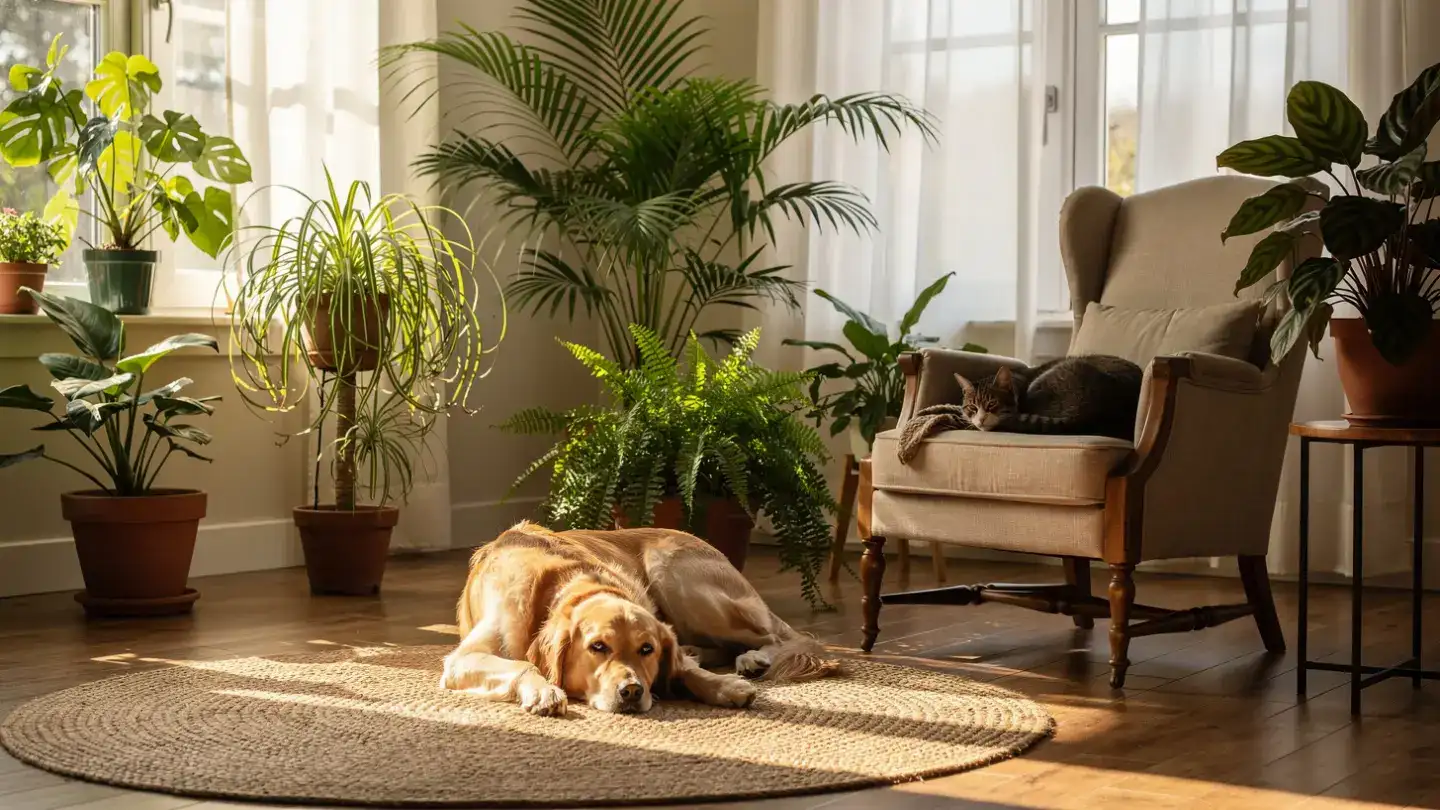
Curious pets often explore their surroundings by sniffing, biting or playing with leaves and soil. This is why selecting indoor plants safe for pets is essential for maintaining a healthy home environment. Fortunately, there are several beautiful, non-toxic houseplants that can coexist safely with animals while still enhancing indoor spaces. These pet-friendly indoor plants are not only visually attractive but also relatively easy to maintain, making them ideal for busy households and first-time plant owners.
Pets, especially young puppies and kittens, are naturally curious and may chew leaves out of boredom or playfulness. Even a small amount of a toxic plant can sometimes create health problems.
Because of this, pet owners should always research plants carefully before bringing them home. Choosing non-toxic houseplants reduces stress and allows both pets and plants to coexist safely indoors.
Thankfully, many attractive indoor plants are completely pet-friendly and suitable for Indian homes with cats, dogs or other small animals.
Spider plants grow well in indirect sunlight and do not require frequent watering, making them ideal for beginners. They can also tolerate occasional neglect, which suits busy households.
These plants are considered safe plants for cats and dogs , even if pets nibble on the leaves occasionally. Their ability to improve indoor air quality further increases their popularity among urban homeowners.
Unlike some decorative palms that may irritate animals, Areca Palm is generally safe for both cats and dogs. It grows best in bright indirect light and requires moderate watering.
The plant also works well as a natural indoor décor element because of its height and lush appearance. Many homeowners use it to create relaxing corners inside living rooms and balconies.
Its low-maintenance nature makes it suitable for people who want greenery without complicated care routines.
This plant thrives in humid environments and indirect light. Bathrooms, shaded balconies or indoor corners with moisture are ideal spots for Boston Ferns.
Cats are often attracted to the movement of fern leaves, but fortunately, the plant is generally considered safe. However, excessive chewing should still be discouraged to protect both the plant and the pet’s digestion.
Regular misting helps maintain the plant’s freshness and keeps the leaves healthy.
One of the biggest advantages of Calatheas is that they are safe plants for cats and dogs. Their leaves feature attractive patterns in shades of green, purple and silver, adding elegance to indoor spaces.
These plants prefer indirect light and slightly moist soil. Although they require a little more humidity compared to some hardy species, they remain manageable for most households.
Calatheas are especially suitable for bedrooms and study corners because they create a calm and sophisticated visual effect.
This plant adapts well to Indian household conditions and generally thrives in filtered sunlight. It also helps improve indoor air quality, making it a practical as well as decorative addition.
Bamboo Palm is regarded as one of the safer indoor plants for homes with pets because it does not contain harmful toxins commonly found in certain ornamental species.
Its elegant appearance makes it suitable for entrance areas, living rooms and office spaces.
Using stable pots prevents accidents caused by playful animals knocking plants over. Hanging planters and elevated shelves can also help protect delicate plants while maintaining décor aesthetics.
Pet owners should avoid using chemical pesticides or fertilisers indoors because residues may affect animals. Natural gardening methods are usually safer for indoor environments.
Regular cleaning around plant pots helps prevent soil scattering and keeps homes hygienic for both pets and family members.
Pet-friendly indoor plants such as Spider Plants, Areca Palms, Boston Ferns, Calatheas and Bamboo Palms prove that stylish indoor décor and responsible pet care can easily go together. These plants offer freshness, beauty and relaxation while remaining safe for curious cats and playful dogs.
As indoor gardening continues to grow in popularity, awareness about non-toxic houseplants is becoming increasingly important. Choosing the right greenery helps create a healthier, calmer and more balanced living environment for every member of the household, including pets.
Image Courtesy: Meta AI
Curious pets often explore their surroundings by sniffing, biting or playing with leaves and soil. This is why selecting indoor plants safe for pets is essential for maintaining a healthy home environment. Fortunately, there are several beautiful, non-toxic houseplants that can coexist safely with animals while still enhancing indoor spaces. These pet-friendly indoor plants are not only visually attractive but also relatively easy to maintain, making them ideal for busy households and first-time plant owners.
Why Pet Owners Need To Be Careful With Indoor Plants
Many popular decorative plants contain compounds that may irritate pets or affect their digestive systems. Certain plants can cause vomiting, excessive drooling, stomach discomfort or skin irritation in cats and dogs.Pets, especially young puppies and kittens, are naturally curious and may chew leaves out of boredom or playfulness. Even a small amount of a toxic plant can sometimes create health problems.
Because of this, pet owners should always research plants carefully before bringing them home. Choosing non-toxic houseplants reduces stress and allows both pets and plants to coexist safely indoors.
Thankfully, many attractive indoor plants are completely pet-friendly and suitable for Indian homes with cats, dogs or other small animals.
Spider Plant Is One Of The Safest Choices
Spider plants are among the most popular pet-friendly indoor plants because they are non-toxic, low-maintenance and highly adaptable. Their long green leaves with white stripes make them visually appealing for living rooms, balconies and workspaces.Spider plants grow well in indirect sunlight and do not require frequent watering, making them ideal for beginners. They can also tolerate occasional neglect, which suits busy households.
These plants are considered safe plants for cats and dogs , even if pets nibble on the leaves occasionally. Their ability to improve indoor air quality further increases their popularity among urban homeowners.
Areca Palm Adds A Tropical Feel Safely
Areca Palm is another excellent indoor plant safe for pets. Known for its feathery green leaves and elegant appearance, this plant creates a fresh tropical atmosphere indoors.Unlike some decorative palms that may irritate animals, Areca Palm is generally safe for both cats and dogs. It grows best in bright indirect light and requires moderate watering.
The plant also works well as a natural indoor décor element because of its height and lush appearance. Many homeowners use it to create relaxing corners inside living rooms and balconies.
Its low-maintenance nature makes it suitable for people who want greenery without complicated care routines.
Boston Fern Is Beautiful And Pet-Friendly
Boston Fern is widely appreciated for its soft, arching leaves and rich green texture. It is one of the safest non-toxic houseplants for homes with pets.This plant thrives in humid environments and indirect light. Bathrooms, shaded balconies or indoor corners with moisture are ideal spots for Boston Ferns.
Cats are often attracted to the movement of fern leaves, but fortunately, the plant is generally considered safe. However, excessive chewing should still be discouraged to protect both the plant and the pet’s digestion.
Regular misting helps maintain the plant’s freshness and keeps the leaves healthy.
Calathea Plants Combine Beauty And Safety
Calathea plants are admired for their decorative leaf patterns and striking colours. Their unique appearance makes them popular among modern indoor gardening enthusiasts.One of the biggest advantages of Calatheas is that they are safe plants for cats and dogs. Their leaves feature attractive patterns in shades of green, purple and silver, adding elegance to indoor spaces.
These plants prefer indirect light and slightly moist soil. Although they require a little more humidity compared to some hardy species, they remain manageable for most households.
Calatheas are especially suitable for bedrooms and study corners because they create a calm and sophisticated visual effect.
Bamboo Palm Is A Safe And Airy Indoor Plant
Bamboo Palm is another pet-friendly option that blends well with modern home décor. Its slender stems and soft foliage create a natural, airy atmosphere indoors.This plant adapts well to Indian household conditions and generally thrives in filtered sunlight. It also helps improve indoor air quality, making it a practical as well as decorative addition.
Bamboo Palm is regarded as one of the safer indoor plants for homes with pets because it does not contain harmful toxins commonly found in certain ornamental species.
Its elegant appearance makes it suitable for entrance areas, living rooms and office spaces.
Tips For Maintaining A Pet-Friendly Indoor Garden
Even when using indoor plants safe for pets, a few precautions are still important. Pets should not be encouraged to chew leaves excessively because overeating plant material may still cause mild digestive discomfort.Using stable pots prevents accidents caused by playful animals knocking plants over. Hanging planters and elevated shelves can also help protect delicate plants while maintaining décor aesthetics.
Pet owners should avoid using chemical pesticides or fertilisers indoors because residues may affect animals. Natural gardening methods are usually safer for indoor environments.
Regular cleaning around plant pots helps prevent soil scattering and keeps homes hygienic for both pets and family members.
A Safe Home Can Still Be Green And Stylish
Creating a green indoor environment does not mean compromising pet safety. With careful plant selection, homeowners can enjoy the calming beauty of nature without worrying about harmful effects on their animals.Pet-friendly indoor plants such as Spider Plants, Areca Palms, Boston Ferns, Calatheas and Bamboo Palms prove that stylish indoor décor and responsible pet care can easily go together. These plants offer freshness, beauty and relaxation while remaining safe for curious cats and playful dogs.
As indoor gardening continues to grow in popularity, awareness about non-toxic houseplants is becoming increasingly important. Choosing the right greenery helps create a healthier, calmer and more balanced living environment for every member of the household, including pets.
Image Courtesy: Meta AI
Next Story