
Is AC Water Good for Plants? Benefits, Drawbacks and Tips Explained

If you use an air conditioner regularly, you may have noticed water dripping from it. This is known as AC condensate water, and many people wonder if it can be reused for watering plants. With growing awareness around saving water, this idea sounds practical. But is it actually good for your plants?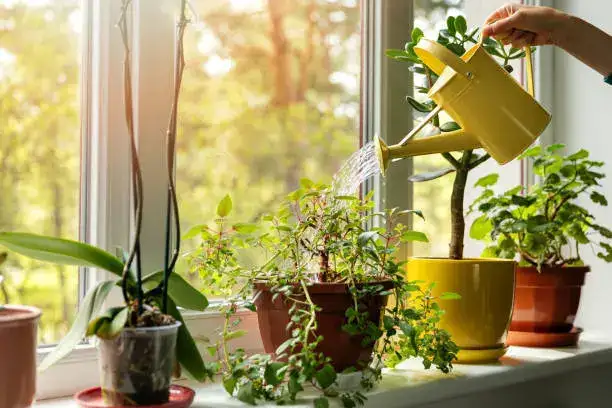
Here is a simple breakdown of the benefits, possible drawbacks, and how to use AC water safely.
What Is AC Water?
AC water is the moisture collected from the air as it passes through the cooling coils of an air conditioner. This water is essentially condensed humidity, which means it is relatively clean and free from many impurities found in tap water.
However, it is not completely pure and may pick up dust, metal particles, or microbes from the AC system.
Benefits of Using AC Water for Plants
1. Helps Save Water
Reusing AC water is an eco-friendly practice. Instead of letting it go to waste, you can use it for gardening, especially during hot summer months when water usage increases.
2. Low in Minerals
Unlike hard tap water, AC water usually has low mineral content. This can be beneficial for plants that are sensitive to salts and mineral buildup in the soil.
3. Good for Non-Edible Plants
AC water can work well for ornamental plants, indoor plants, and garden shrubs where strict water purity is not essential.
Drawbacks You Should Know
1. Lack of Nutrients
AC water does not contain essential nutrients that plants need to grow. Regular use without supplementing nutrients may not support healthy plant development.
2. Possible Contamination
The water can collect dust, bacteria, or traces of metals from the AC unit. If the system is not cleaned regularly, this could affect plant health over time.
3. Slightly Acidic Nature
AC water can sometimes be slightly acidic, which may not suit all types of plants, especially those that prefer neutral or alkaline soil.
Tips for Using AC Water Safely
AC water can be a useful and sustainable option for watering plants if used carefully. While it helps conserve water and works well for many decorative plants, it should not completely replace regular watering.
With the right balance and precautions, you can make the most of this otherwise wasted resource while keeping your plants healthy.
Here is a simple breakdown of the benefits, possible drawbacks, and how to use AC water safely.
What Is AC Water?
AC water is the moisture collected from the air as it passes through the cooling coils of an air conditioner. This water is essentially condensed humidity, which means it is relatively clean and free from many impurities found in tap water. However, it is not completely pure and may pick up dust, metal particles, or microbes from the AC system.
Benefits of Using AC Water for Plants
1. Helps Save Water
Reusing AC water is an eco-friendly practice. Instead of letting it go to waste, you can use it for gardening, especially during hot summer months when water usage increases. 2. Low in Minerals
Unlike hard tap water, AC water usually has low mineral content. This can be beneficial for plants that are sensitive to salts and mineral buildup in the soil.You may also like
- Parenting in the digital age: How technology can help keep children safe online
- Anand Mahindra shares a rare 140-year-old photo of Kedarnath, when reaching the shrine was the real pilgrimage
- Gas Cylinder: Do Gas Cylinders Also Have an Expiry Date? Why Are Codes Like 'A 26' or 'B 27' Inscribed on Them?
- RBI's Major Move! Before Taking Out a Loan, Understand the New Three-Tiered System—When Will It Come into Effect?
- Kitchen organisation hacks for compact British kitchens
3. Good for Non-Edible Plants
AC water can work well for ornamental plants, indoor plants, and garden shrubs where strict water purity is not essential. Drawbacks You Should Know
1. Lack of Nutrients
AC water does not contain essential nutrients that plants need to grow. Regular use without supplementing nutrients may not support healthy plant development. 2. Possible Contamination
The water can collect dust, bacteria, or traces of metals from the AC unit. If the system is not cleaned regularly, this could affect plant health over time. 3. Slightly Acidic Nature
AC water can sometimes be slightly acidic, which may not suit all types of plants, especially those that prefer neutral or alkaline soil.Tips for Using AC Water Safely
- Use AC water mainly for decorative or non-edible plants
- Mix it with regular water to balance its properties
- Ensure your AC unit is clean and well-maintained
- Avoid storing the water for long periods to prevent bacterial growth
- Add compost or plant nutrients to maintain soil health
When Should You Avoid Using AC Water?
It is best to avoid using AC water for:- Edible plants like vegetables and herbs
- Plants that require specific soil conditions
- Situations where the AC unit is not regularly cleaned
AC water can be a useful and sustainable option for watering plants if used carefully. While it helps conserve water and works well for many decorative plants, it should not completely replace regular watering.
With the right balance and precautions, you can make the most of this otherwise wasted resource while keeping your plants healthy.






More from our partners


Loving Newspoint? Download the app now
