
Is Jaggery Really Healthier Than Sugar? A Detailed Comparison

For centuries, jaggery has been used as a traditional sweetener in many parts of the world. Often touted as a healthier alternative to refined sugar, it is praised for its rich taste and potential health benefits. But how much healthier is it really? Let’s dive into a detailed comparison between jaggery and sugar.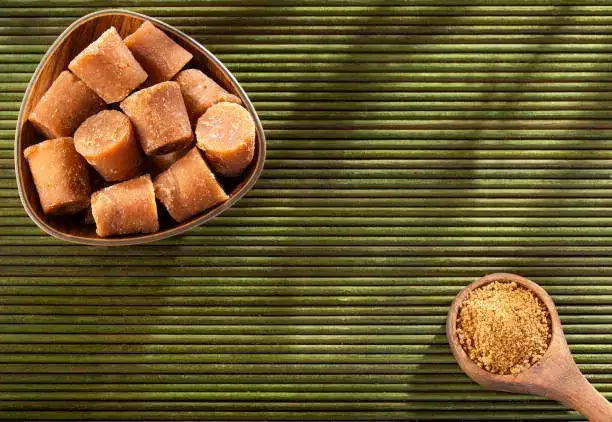
What Is Jaggery ?
Jaggery is an unrefined sweetener made from sugarcane juice or palm sap. It undergoes minimal processing, retaining its natural color, flavor, and some essential minerals like iron, calcium, potassium, and magnesium. Its earthy sweetness and golden-brown color distinguish it from white sugar.
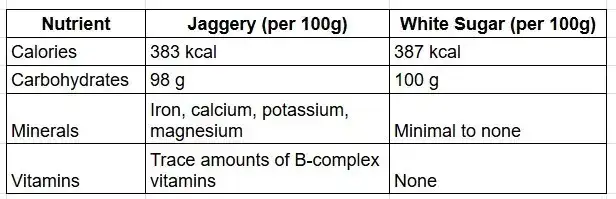
While jaggery does contain some minerals, the difference in calorie content is minimal. Both jaggery and sugar are high in simple carbohydrates and provide quick energy.
Potential Health Benefits of Jaggery
Iron Content
Jaggery’s iron may help prevent iron deficiency and anemia when consumed in small amounts.
Digestive Aid
Traditional practices suggest that jaggery can stimulate digestive enzymes and support smooth bowel movements.
Detoxification Support
Some believe that jaggery helps cleanse the liver and remove toxins, although scientific evidence is limited.
Energy Booster
Like sugar, jaggery provides quick energy, making it useful before physical activity or as a quick pick-me-up.
Sugar vs. Jaggery: What Experts Say
Despite the minor nutritional advantages of jaggery, it is still a sugar-rich food. Both can contribute to weight gain, blood sugar spikes, and dental problems if consumed in excess. People with diabetes, obesity, or metabolic concerns should use both jaggery and sugar sparingly.
Tips for Using Jaggery Wisely
Jaggery is slightly better than refined sugar because it contains trace minerals and vitamins, but it is not a miracle health food. Its benefits are modest, and excessive consumption can lead to the same health risks as sugar. The key is moderation: enjoy jaggery for its taste and tradition, but treat it as a sweet treat, not a daily health supplement.
What Is Jaggery ?
Jaggery is an unrefined sweetener made from sugarcane juice or palm sap. It undergoes minimal processing, retaining its natural color, flavor, and some essential minerals like iron, calcium, potassium, and magnesium. Its earthy sweetness and golden-brown color distinguish it from white sugar. Nutritional Differences: Jaggery vs Sugar
While jaggery does contain some minerals, the difference in calorie content is minimal. Both jaggery and sugar are high in simple carbohydrates and provide quick energy.
Potential Health Benefits of Jaggery
Iron Content
Jaggery’s iron may help prevent iron deficiency and anemia when consumed in small amounts.
Digestive Aid
Traditional practices suggest that jaggery can stimulate digestive enzymes and support smooth bowel movements.
Detoxification Support
Some believe that jaggery helps cleanse the liver and remove toxins, although scientific evidence is limited.
Energy Booster
Like sugar, jaggery provides quick energy, making it useful before physical activity or as a quick pick-me-up.
Sugar vs. Jaggery: What Experts Say
Despite the minor nutritional advantages of jaggery, it is still a sugar-rich food. Both can contribute to weight gain, blood sugar spikes, and dental problems if consumed in excess. People with diabetes, obesity, or metabolic concerns should use both jaggery and sugar sparingly.Tips for Using Jaggery Wisely
- Moderation is key: Limit intake to small amounts in teas, desserts, or cooking.
- Choose unrefined jaggery: Avoid processed blocks that may contain additives.
- Combine with fiber: Pair jaggery with high-fiber foods to slow glucose absorption.
- Don’t overconsume: Remember that jaggery is a sweetener, not a health food.
Jaggery is slightly better than refined sugar because it contains trace minerals and vitamins, but it is not a miracle health food. Its benefits are modest, and excessive consumption can lead to the same health risks as sugar. The key is moderation: enjoy jaggery for its taste and tradition, but treat it as a sweet treat, not a daily health supplement.
Next Story