
Is Isabgol Good For You? 5 Common Myths About Psyllium Husk Debunked

Isabgol, also known as psyllium husk, is a fibre supplement that many households across India have relied on for years to support digestive health and regular bowel movements. Despite its long history of use, several common myths about isabgol keep circulating, often clouding the real facts about this natural remedy. Fitness coach Ralston D’Souza recently addressed these misunderstandings to help clear up what is true and what is not when it comes to isabgol benefits and how it works.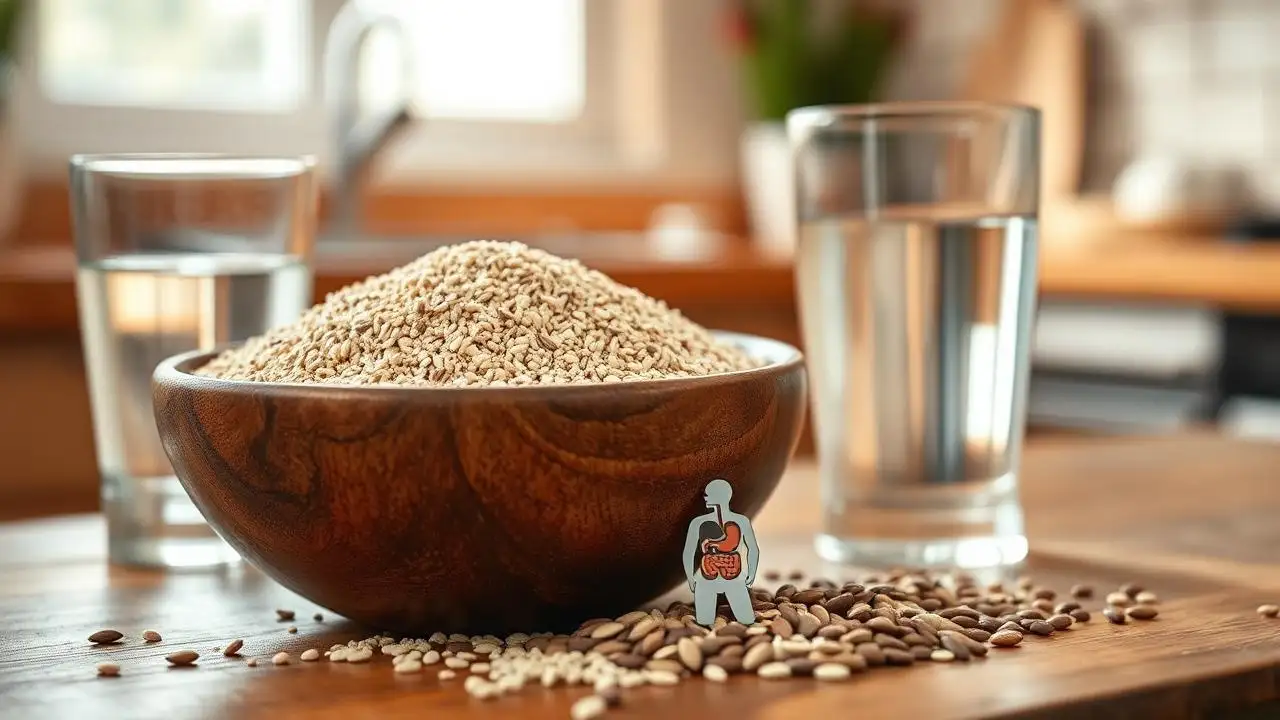
Myth 1: Isabgol Is Not Natural
One of the most widespread misconceptions about isabgol is that it is processed or artificial. In reality, isabgol comes from the outer husk of the Plantago ovata seed, and is entirely plant-based. It is made of soluble fibre and has nothing synthetic in it, which is why many people regard it as a natural choice for supporting gut comfort and overall digestive health.Myth 2: Isabgol Causes Dependency
Some people believe that taking isabgol regularly will make you dependent on it for bowel movements. Ralston D’Souza explains that this simply is not true. Unlike stimulant laxatives, isabgol works by absorbing water and forming a gel that adds bulk to stools, making them easier to pass. According to Ralston, it works with your gut rather than against it, and does not create habit-forming effects.Myth 3: Isabgol Makes You Gassy
Another of the common myths about isabgol is that it directly causes gas and bloating. The truth is that any increase in fibre intake, whether from isabgol, oats, chia seeds, fruits or vegetables, can lead to gas if it is introduced too quickly. Ralston says that gas is your gut adjusting to higher fibre levels, and suggests increasing fibre gradually and drinking plenty of water so your system can adapt comfortably.Myth 4: Taking Isabgol Daily Is Bad
Many people think that using isabgol every day can harm your body. In reality, daily use of isabgol is safe for most people, especially if your regular diet is low in fibre. Most adults need around 30 grams of fibre per day, and many fall short of this amount. Ralston points out that isabgol can help fill that gap as long as you take it with enough water, making daily isabgol use fine when done properly.Myth 5: Isabgol Has Side Effects
A final myth is that isabgol always causes side effects. According to experts, isabgol side effects are rare when it is taken correctly. The main precaution is to avoid consuming the husk dry, as it can expand and cause choking or discomfort. The best method is to mix isabgol with water, milk or another liquid and drink it right away. Starting with a small amount, like one teaspoon a day, and increasing slowly while staying hydrated helps minimise any issues.What You Should Know About Isabgol
Overall, isabgol offers genuine digestive health benefits and remains a widely trusted natural supplement when used the right way. By separating fact from fiction around these myths, you can feel more confident about including psyllium husk in your routine as part of a balanced approach to fibre intake and gut wellness.Next Story