
Jaggery Vs Sugar: Which Is Better For Your Health Energy Levels And Daily Diet Needs

Sweeteners play an important role in our daily diet, adding flavour and energy to food and beverages. Among the most commonly used options in Indian households are jaggery and sugar. While both are used to satisfy sweet cravings, they differ greatly in terms of processing, nutritional value, and health impact. Understanding the difference between jaggery vs sugar can help individuals make more informed dietary choices and adopt healthier eating habits without compromising on taste.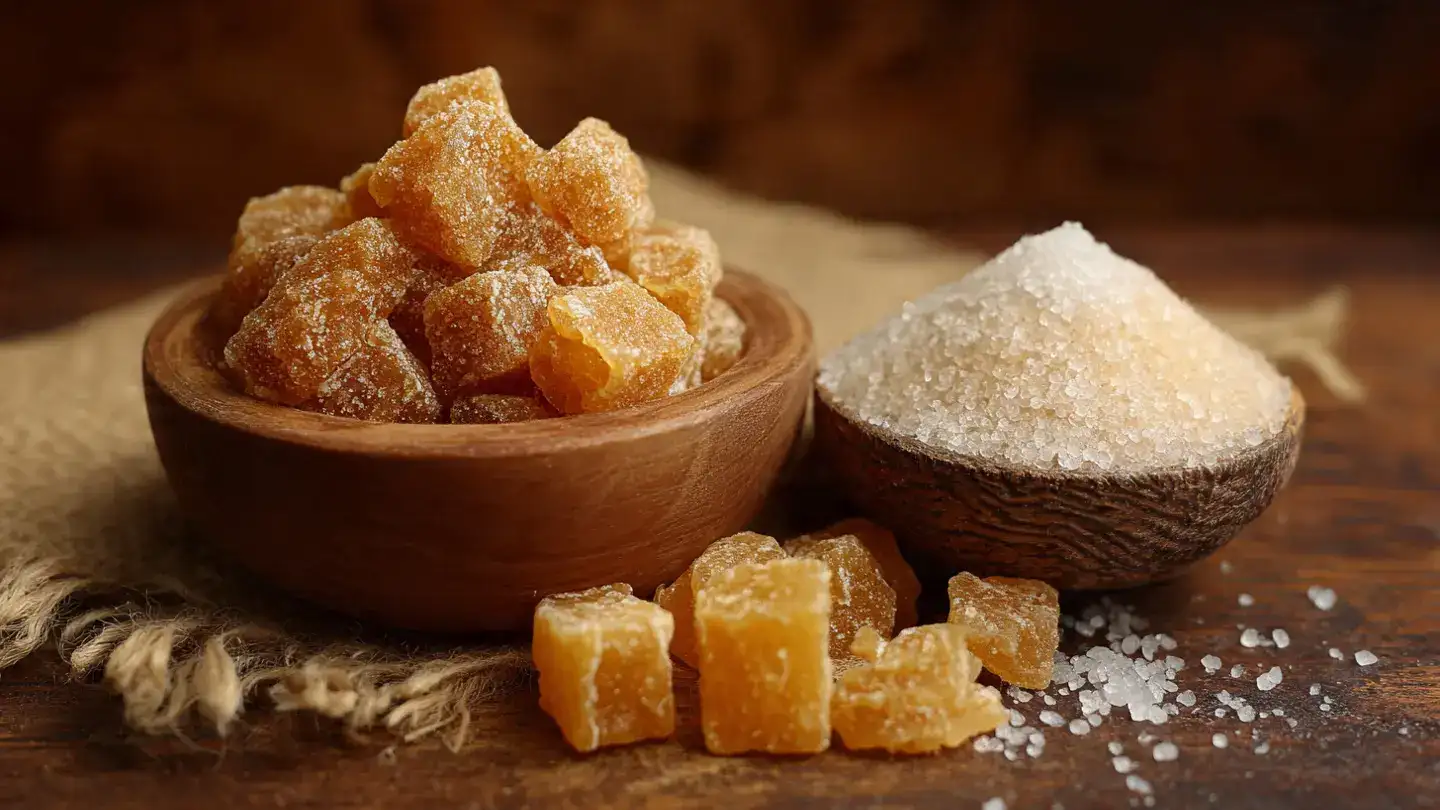
Sugar, on the other hand, is a highly refined product extracted from sugarcane or sugar beet. It undergoes multiple processing stages that remove most of its natural nutrients, leaving behind pure sucrose. It is commonly used in tea, coffee, baked goods, and processed foods.
Both are sources of sweetness, but their processing methods and nutritional profiles set them apart significantly.
Sugar, however, is almost entirely composed of empty calories. It provides quick energy but lacks vitamins, minerals, or fibre. This makes it less beneficial from a nutritional standpoint when consumed in excess.
Although jaggery contains slightly more nutrients, it is still a form of sugar and should be consumed in moderation.
Jaggery is also believed to help in detoxification by assisting the liver in flushing out toxins. Its iron content may contribute to improving haemoglobin levels, making it a preferred choice for individuals with mild iron deficiency.
Additionally, jaggery provides a slower release of energy compared to refined sugar, which may help in maintaining steadier energy levels.
Unlike jaggery, white sugar does not offer any significant nutritional value. Its refined nature makes it easy to overconsume, especially in processed foods and beverages where it is often hidden.
Moderation is key when it comes to sugar intake, as excessive consumption can negatively impact long-term health.
Sugar, however, has a clean and neutral sweetness, making it more versatile for baking, beverages, and modern desserts. It dissolves easily and provides consistent sweetness without altering the flavour profile of dishes.
The choice between the two often depends on the recipe and desired taste outcome.
Sugar, being highly refined, offers no nutritional benefits and is best limited in daily consumption. For those aiming to reduce processed food intake, replacing sugar with jaggery in moderation can be a helpful step.
Ultimately, both should be consumed responsibly as part of a balanced diet.
Sugar should also be stored in a dry environment to prevent clumping. Refined sugar has a longer shelf life compared to jaggery, which is more natural and less stable.
Choosing high-quality sources for both ensures better taste and safety.
Understanding the differences between jaggery vs sugar helps in making more mindful dietary decisions. While jaggery offers slightly more nutritional value and traditional appeal, sugar provides convenience and consistency in modern cooking.
Neither option should be consumed in excess, as both contribute to overall sugar intake. The key lies in moderation and awareness. By balancing usage and choosing natural alternatives where possible, individuals can enjoy sweetness in their diet while maintaining better health and wellbeing.
Image Courtesy: Meta AI
What Is Jaggery And Sugar
Jaggery is a traditional unrefined sweetener made by boiling raw sugarcane juice or palm sap until it solidifies. It retains natural minerals and has a rich, earthy flavour. In India, jaggery is widely used in desserts, snacks, and even medicinal preparations due to its natural composition.Sugar, on the other hand, is a highly refined product extracted from sugarcane or sugar beet. It undergoes multiple processing stages that remove most of its natural nutrients, leaving behind pure sucrose. It is commonly used in tea, coffee, baked goods, and processed foods.
Both are sources of sweetness, but their processing methods and nutritional profiles set them apart significantly.
Nutritional Differences Between Jaggery And Sugar
When comparing natural sweeteners India commonly uses, jaggery is often considered the healthier option due to its mineral content. It contains small amounts of iron, magnesium, potassium, and antioxidants, which may offer some nutritional benefits.Sugar, however, is almost entirely composed of empty calories. It provides quick energy but lacks vitamins, minerals, or fibre. This makes it less beneficial from a nutritional standpoint when consumed in excess.
Although jaggery contains slightly more nutrients, it is still a form of sugar and should be consumed in moderation.
Health Benefits Of Jaggery
One of the key advantages highlighted in the health benefits of jaggery is its potential to support digestion. It is traditionally consumed after meals in many Indian households to help cleanse the digestive system.Jaggery is also believed to help in detoxification by assisting the liver in flushing out toxins. Its iron content may contribute to improving haemoglobin levels, making it a preferred choice for individuals with mild iron deficiency.
Additionally, jaggery provides a slower release of energy compared to refined sugar, which may help in maintaining steadier energy levels.
Health Effects Of White Sugar
White sugar, while widely used, is often associated with several health concerns when consumed in excess. It can lead to rapid spikes in blood sugar levels, followed by sudden drops in energy. Over time, excessive consumption may contribute to weight gain, dental issues, and metabolic imbalances.Unlike jaggery, white sugar does not offer any significant nutritional value. Its refined nature makes it easy to overconsume, especially in processed foods and beverages where it is often hidden.
Moderation is key when it comes to sugar intake, as excessive consumption can negatively impact long-term health.
Taste, Usage And Culinary Differences
In terms of taste, jaggery has a deep, caramel-like flavour with earthy undertones. It adds richness to traditional Indian sweets such as laddoos, chikkis, and kheer. It is also used in savoury dishes to balance spice levels.Sugar, however, has a clean and neutral sweetness, making it more versatile for baking, beverages, and modern desserts. It dissolves easily and provides consistent sweetness without altering the flavour profile of dishes.
The choice between the two often depends on the recipe and desired taste outcome.
Which Is Healthier Jaggery Or Sugar
The debate on jaggery vs sugar often comes down to nutritional value and processing. Jaggery is less processed and retains some minerals, making it a slightly better option for those seeking natural alternatives. However, it still contains high levels of sucrose and should not be considered a health food.Sugar, being highly refined, offers no nutritional benefits and is best limited in daily consumption. For those aiming to reduce processed food intake, replacing sugar with jaggery in moderation can be a helpful step.
Ultimately, both should be consumed responsibly as part of a balanced diet.
Storage And Quality Considerations
Proper storage is important for both sweeteners. Jaggery should be kept in an airtight container away from moisture, as it tends to attract insects and harden over time.Sugar should also be stored in a dry environment to prevent clumping. Refined sugar has a longer shelf life compared to jaggery, which is more natural and less stable.
Choosing high-quality sources for both ensures better taste and safety.
Understanding the differences between jaggery vs sugar helps in making more mindful dietary decisions. While jaggery offers slightly more nutritional value and traditional appeal, sugar provides convenience and consistency in modern cooking.
Neither option should be consumed in excess, as both contribute to overall sugar intake. The key lies in moderation and awareness. By balancing usage and choosing natural alternatives where possible, individuals can enjoy sweetness in their diet while maintaining better health and wellbeing.
Image Courtesy: Meta AI
Next Story