
Juice vs Whole Fruits: Which Is Healthier for You?

Fruit is widely considered one of the healthiest additions to any diet. But when it comes to choosing between fruit juice and whole fruits, the decision is not always clear. Both come from the same source, yet they affect your body differently. Understanding how they compare can help you make better everyday choices.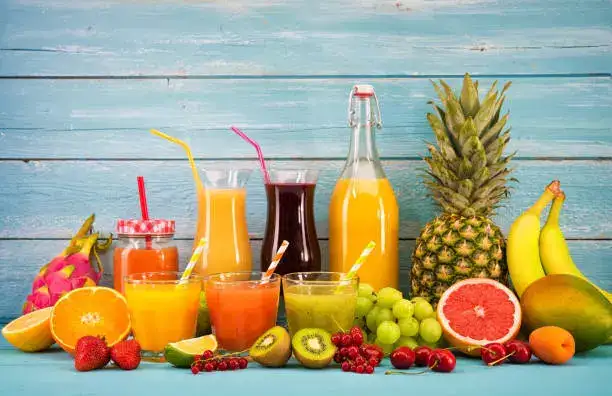
The Biggest Difference: Fibre
The most important distinction between juice and whole fruits is fibre. Whole fruits contain natural fibre that slows digestion and helps regulate blood sugar levels. Fibre also keeps you feeling full for longer and supports gut health.
When fruits are juiced, most of this fibre is removed. What remains is mainly water, vitamins and natural sugars. Without fibre, sugar enters the bloodstream more quickly, which can lead to sudden spikes in energy followed by crashes.
Sugar Content Matters
Even fresh homemade juice can contain a high amount of natural sugar. For example, one glass of orange juice may require three or four oranges. Drinking it means consuming the sugar of multiple fruits at once.
When you eat whole fruit, it takes time to chew and digest. This naturally limits how much sugar you consume in one sitting and keeps portions under control.
Calories and Weight Management
Whole fruits are generally more filling than juice. Because of the fibre and chewing involved, they satisfy hunger better and may reduce the urge to snack later.
Juice, on the other hand, can be consumed quickly and may not provide the same level of fullness. This can sometimes lead to higher calorie intake without realising it.
Nutrient Comparison
Both juice and whole fruits contain vitamins, minerals and antioxidants. Fresh juice still provides nutrients like vitamin C and potassium. However, some nutrients may be lost during processing, especially in packaged juices.
Store bought juices often contain added sugars and preservatives, making them less healthy than freshly prepared juice and far less beneficial than whole fruits.
When Is Juice a Good Option?
Juice can be useful in certain situations. It may provide quick energy after exercise or help people who have difficulty chewing fruits. Smoothies that include the whole fruit, including pulp, are a better alternative because they retain fibre.
If you enjoy juice, keep portions small and avoid adding sugar.
The Healthier Choice
For most people, whole fruits are the healthier option. They provide fibre, better blood sugar control and longer lasting fullness. Juice can be enjoyed occasionally, but it should not replace whole fruits in your daily diet.
The simple rule is this: if you have to choose, pick the fruit in its natural form. It offers more complete nutrition and supports long term health in a balanced way.
The Biggest Difference: Fibre
The most important distinction between juice and whole fruits is fibre. Whole fruits contain natural fibre that slows digestion and helps regulate blood sugar levels. Fibre also keeps you feeling full for longer and supports gut health. When fruits are juiced, most of this fibre is removed. What remains is mainly water, vitamins and natural sugars. Without fibre, sugar enters the bloodstream more quickly, which can lead to sudden spikes in energy followed by crashes.
Sugar Content Matters
Even fresh homemade juice can contain a high amount of natural sugar. For example, one glass of orange juice may require three or four oranges. Drinking it means consuming the sugar of multiple fruits at once. When you eat whole fruit, it takes time to chew and digest. This naturally limits how much sugar you consume in one sitting and keeps portions under control.
You may also like
- नारियल के सख्त खोल को हटाने का आसान तरीका
- Kids Showing 'Monday Blues'? Try These 5 Simple Fixes That Actually Work
- Meet the first woman who commanded a NASA spacecraft - her journey will inspire you
- Understanding rare diseases in children: Why early diagnosis matters more than ever
- Why Koreans Focus on Hydration First Before Anything Else
Calories and Weight Management
Whole fruits are generally more filling than juice. Because of the fibre and chewing involved, they satisfy hunger better and may reduce the urge to snack later. Juice, on the other hand, can be consumed quickly and may not provide the same level of fullness. This can sometimes lead to higher calorie intake without realising it.
Nutrient Comparison
Both juice and whole fruits contain vitamins, minerals and antioxidants. Fresh juice still provides nutrients like vitamin C and potassium. However, some nutrients may be lost during processing, especially in packaged juices. Store bought juices often contain added sugars and preservatives, making them less healthy than freshly prepared juice and far less beneficial than whole fruits.
When Is Juice a Good Option?
Juice can be useful in certain situations. It may provide quick energy after exercise or help people who have difficulty chewing fruits. Smoothies that include the whole fruit, including pulp, are a better alternative because they retain fibre. If you enjoy juice, keep portions small and avoid adding sugar.
The Healthier Choice
For most people, whole fruits are the healthier option. They provide fibre, better blood sugar control and longer lasting fullness. Juice can be enjoyed occasionally, but it should not replace whole fruits in your daily diet. The simple rule is this: if you have to choose, pick the fruit in its natural form. It offers more complete nutrition and supports long term health in a balanced way.






More from our partners


Loving Newspoint? Download the app now
