
5 Common Mistakes to Avoid While Making Kadhi at Home

Kadhi Chawal is a comfort classic that never goes out of style. From Punjab to Rajasthan, Uttar Pradesh to Bihar and Madhya Pradesh, this tangy, spiced yogurt-based curry served with rice has a special place in Indian kitchens. Simple in ingredients but tricky in execution, kadhi needs the right balance to taste perfect. A small mistake can easily change its flavor and texture. Here are some common errors to avoid while making it.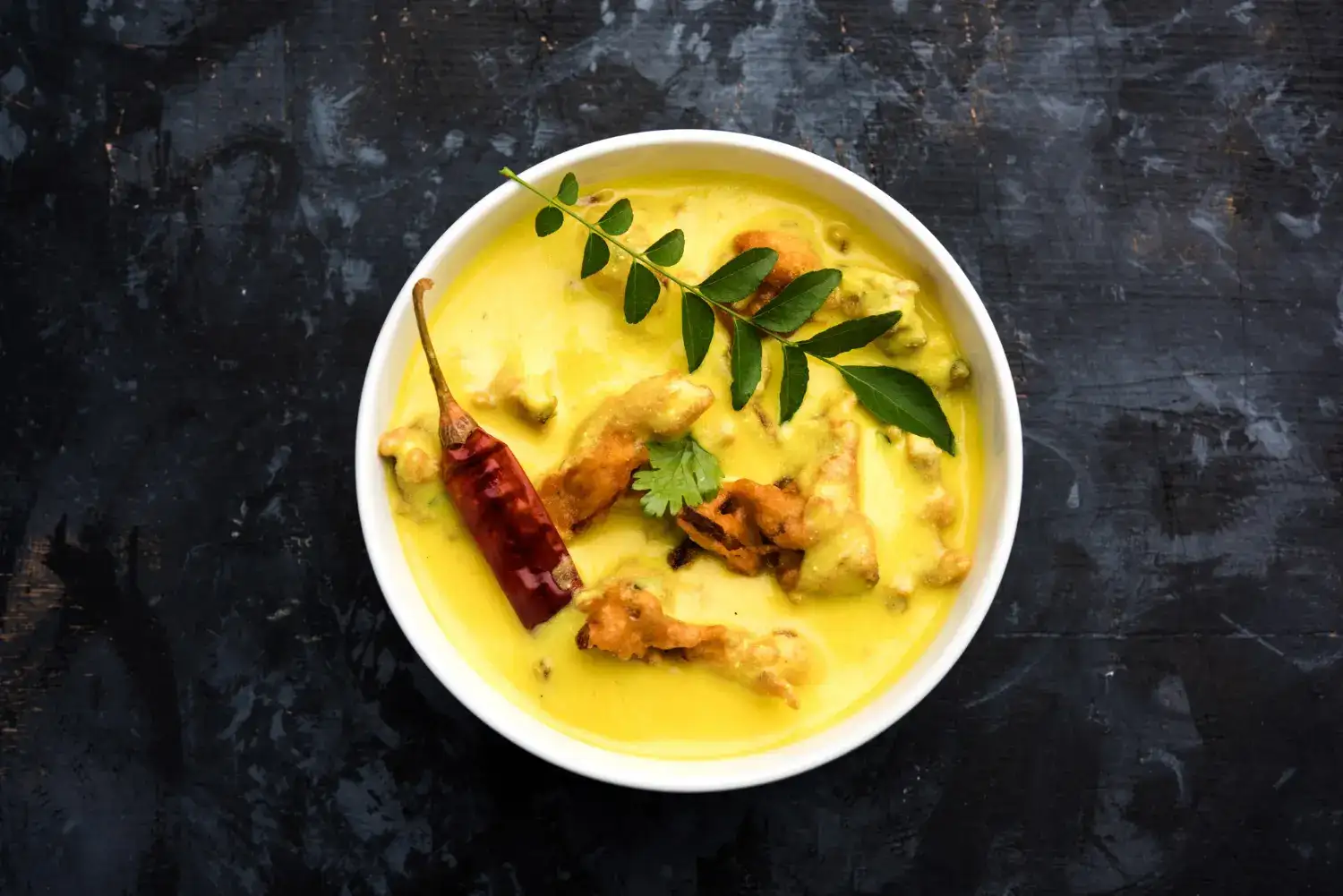
Skipping the Onion-Tomato Base
A strong kadhi starts with a well-cooked base. Onions and tomatoes should never be rushed. Onions need to turn golden for sweetness, while tomatoes must cook down until they lose their rawness and release oil. This step builds depth and removes any sharp or uncooked taste from the curry.
Wrong Timing of Spices
Spices are the soul of kadhi, but timing matters a lot. Adding them too early can burn them, while adding them too late keeps them undercooked and dull. The right way is to lightly fry them in oil at the right moment so they release their aroma and blend smoothly into the curry.
Getting the Water Balance Wrong
Kadhi is all about texture. Too much water makes it thin and bland, while too little makes it overly thick and heavy. The ideal consistency is smooth, slightly thick, and able to coat the rice well. Getting this balance right is key to a flavorful result.
Missing the Tempering Step
Tempering, or tadka, is what lifts kadhi’s flavor. Mustard seeds, cumin, dried red chilies, and curry leaves fried in hot oil add a smoky, aromatic punch. Skipping this step makes the dish flat and less vibrant, no matter how well the curry is cooked.
Ignoring Flavor Balance
A good kadhi is never one-dimensional. It needs a mix of tastes, tangy yogurt, a hint of spice, and a touch of sweetness. Ingredients like lemon juice, tamarind, or even a little jaggery can enhance balance. Finishing touches like fresh coriander or kasuri methi add freshness and aroma.
When done right, Kadhi Chawal becomes more than just a meal, it turns into pure comfort on a plate.
Skipping the Onion-Tomato Base
A strong kadhi starts with a well-cooked base. Onions and tomatoes should never be rushed. Onions need to turn golden for sweetness, while tomatoes must cook down until they lose their rawness and release oil. This step builds depth and removes any sharp or uncooked taste from the curry. Wrong Timing of Spices
Spices are the soul of kadhi, but timing matters a lot. Adding them too early can burn them, while adding them too late keeps them undercooked and dull. The right way is to lightly fry them in oil at the right moment so they release their aroma and blend smoothly into the curry.You may also like
- Silver Prices Crash ₹2 Lakh in 3 Months: Is This the Right Time to Invest? Experts Weigh In
- PAN Mandatory for Big Purchases: New Rules Tighten Grip on Gold, Cars and Investments
- Aadhaar Loan Scam Alert: Can You Really Get a Loan Using Only Aadhaar? Know the Truth Before You Apply
- One-Time KYC Soon? Big SEBI Move Could Simplify Investing Across India
- Understanding Hemorrhoids: Types, Symptoms, and Home Remedies
Getting the Water Balance Wrong
Kadhi is all about texture. Too much water makes it thin and bland, while too little makes it overly thick and heavy. The ideal consistency is smooth, slightly thick, and able to coat the rice well. Getting this balance right is key to a flavorful result. Missing the Tempering Step
Tempering, or tadka, is what lifts kadhi’s flavor. Mustard seeds, cumin, dried red chilies, and curry leaves fried in hot oil add a smoky, aromatic punch. Skipping this step makes the dish flat and less vibrant, no matter how well the curry is cooked.Ignoring Flavor Balance
A good kadhi is never one-dimensional. It needs a mix of tastes, tangy yogurt, a hint of spice, and a touch of sweetness. Ingredients like lemon juice, tamarind, or even a little jaggery can enhance balance. Finishing touches like fresh coriander or kasuri methi add freshness and aroma. When done right, Kadhi Chawal becomes more than just a meal, it turns into pure comfort on a plate.






More from our partners


Loving Newspoint? Download the app now
