
Late-Night Snacking: What Your Midnight Cravings Say About You

Late-Night Snacking Habits Decoded: Late-night snacking is a habit many people relate to, whether it’s reaching for chips during a movie or craving sweets after a long day. While it may seem harmless, science suggests that the reasons behind these cravings are more complex than simple hunger. In many cases, late-night eating is influenced by a mix of biological rhythms, daily habits, and emotional factors rather than actual nutritional needs.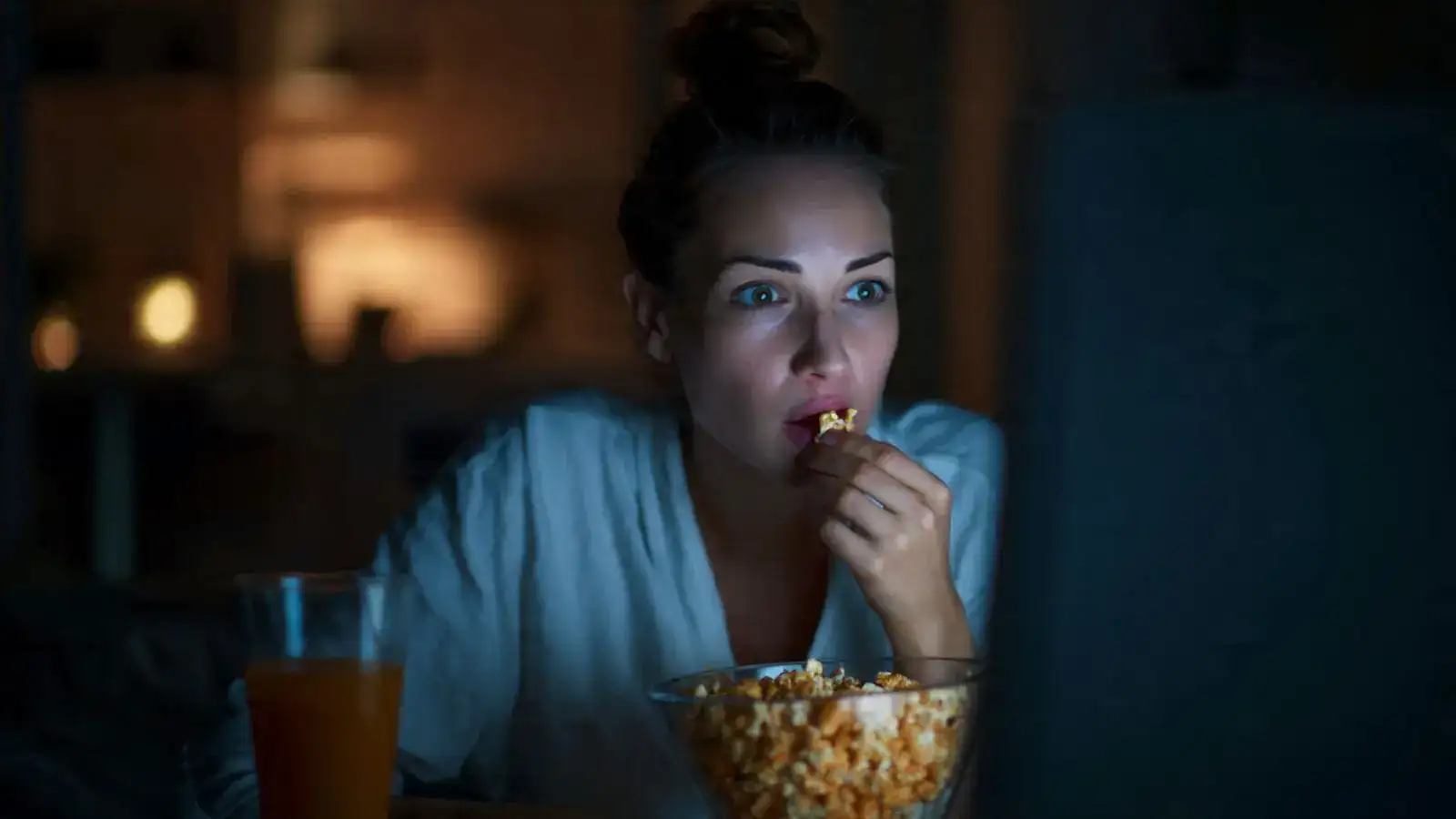
The Role of the Body Clock
One of the primary factors behind late-night cravings is the body’s internal clock, known as the circadian rhythm. This system regulates sleep, metabolism, and hunger patterns. Research shows that hunger-related hormones like ghrelin can fluctuate throughout the day, often increasing in the evening. At the same time, the brain’s ability to control impulses and make decisions tends to weaken at night. This combination makes it easier to give in to cravings, even when the body does not truly need more food.How Daily Habits Influence Night Eating
Lifestyle habits play a major role in shaping late-night snacking behavior. Skipping meals, especially dinner, or not eating enough during the day can lead to increased hunger at night. When the body doesn’t receive adequate nutrition earlier, it tries to compensate later. Irregular sleep patterns also disrupt hormones that regulate appetite, such as leptin and ghrelin, creating a cycle of late-night eating and poor-quality sleep. Over time, this pattern can become a habit that is difficult to break.You may also like
- One Pizza, two best friends celebrating together: What these 10-year-old boys taught the internet about true happiness
- Health Benefits of Jackfruit and Bitter Gourd: Nature's Remedies
- Doctor Shares 5 Foods to Reduce High Blood Pressure Naturally
- Observation test: Only kids with sharp focus can spot the odd number among 8s
- TOI Ecopreneur Awards 2026: Recognising India's green changemakers—Nominations now open
Emotional Eating and Nighttime Triggers
Emotional triggers are another key reason behind late-night snacking. Stress, boredom, anxiety, or even loneliness can lead to what experts call emotional eating. Nighttime often provides a quiet and unstructured environment where distractions are fewer, making people more aware of their emotions. Food then becomes a source of comfort rather than nourishment. This behavior is less about hunger and more about coping with feelings.Why Food Choices Matter
The type of food consumed at night also has a significant impact. Studies indicate that people are more likely to choose high-calorie, sugary, or salty snacks during late hours. These foods provide quick satisfaction but can lead to excess calorie intake over time, potentially contributing to weight gain. Additionally, consuming heavy or spicy foods late at night can interfere with digestion and disrupt sleep quality, making it harder to rest properly.Making Healthier Nighttime Choices
Not all late-night snacking is unhealthy. Choosing lighter, balanced options such as fruits, yogurt, or nuts can satisfy hunger without negatively affecting the body. Portion control and mindful eating are important in preventing overconsumption. Timing also plays a role, eating at least two to three hours before bedtime allows the body to digest food more efficiently and supports better sleep.Building Better Habits
Managing late-night cravings often requires changes in daily routines. Experts suggest maintaining regular meal times, ensuring balanced nutrition throughout the day, and following a consistent sleep schedule. Identifying emotional triggers can also help individuals understand why they reach for food at night. Simple steps like staying hydrated or keeping healthier snacks within reach can make a noticeable difference.A Matter of Awareness and Balance
Ultimately, late-night snacking is not inherently harmful, but it can become problematic when driven by poor habits or emotional needs. Understanding the underlying causes of these cravings is the first step toward making healthier and more mindful choices. With greater awareness and balanced routines, it is possible to enjoy occasional nighttime snacks without compromising overall health.





More from our partners


Loving Newspoint? Download the app now
