
Long-Lasting Foods That Rarely Expire and the Reason Behind It

In a world where most groceries come with strict expiry dates, some foods stand out for their incredible shelf life. These items can last for years, sometimes even decades, when stored properly. Their longevity is not magic but science. Factors such as low moisture content, natural preservatives, and airtight storage help prevent spoilage and bacterial growth.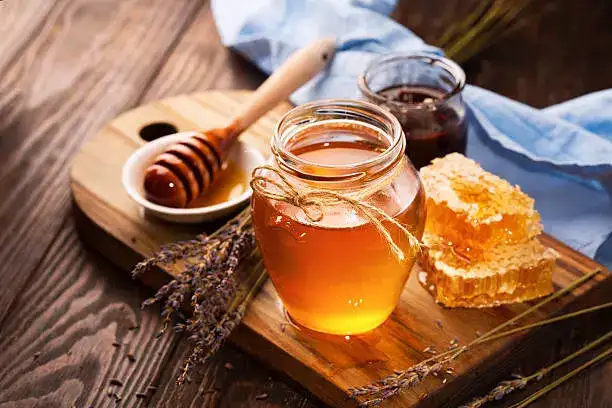
Here is a closer look at some long lasting foods and why they stay safe for so long.
White Rice
White rice can last for many years if kept in a cool and dry place. It has had its outer layers removed, which means fewer natural oils that could turn rancid. Stored in airtight containers, white rice remains safe and usable for a long time.
Salt
Salt does not expire because it is a mineral. It does not support microbial growth. As long as it is protected from moisture, salt can last indefinitely. However, flavored or iodized versions may have added ingredients that slightly reduce shelf life.
Sugar
Like salt, sugar has a very long shelf life. Its low moisture content prevents bacteria from thriving. Brown sugar may harden over time, but it does not spoil. Proper storage in airtight containers keeps it fresh and usable.
Dried Beans
Dried beans can last for years when stored in a sealed container away from humidity. Over time, they may take longer to cook, but they usually remain safe to eat. Their dryness prevents the growth of harmful microorganisms.
Vinegar
Vinegar has a high acidity level, which makes it naturally resistant to spoilage. Even after long storage, vinegar remains safe. You may notice slight changes in appearance, but these do not usually affect quality.
Cornstarch
Cornstarch stays stable for a long period when kept dry. It does not contain much moisture or fat, which helps prevent spoilage. Sealed storage protects it from contamination.
Why These Foods Last So Long
The main reason these foods rarely expire is their low water activity. Microorganisms such as bacteria and mold need moisture to grow. When water content is minimal, spoilage becomes unlikely. High sugar or salt levels also create an environment where microbes cannot survive. In some cases, natural acidity further protects the food.
Storage Still Matters
Even long lasting foods need proper storage. Keeping them in airtight containers, away from heat, light, and humidity, helps maintain quality. While many of these items may not technically expire, their taste or texture can change over time.
Stocking up on long lasting foods can be practical for emergency preparedness and everyday use. Understanding why certain items rarely expire helps you store them wisely and reduce food waste. With the right conditions, these pantry staples can remain safe and reliable for years.
Here is a closer look at some long lasting foods and why they stay safe for so long.
Honey
Honey is often called a timeless food. Archaeologists have discovered edible honey in ancient tombs. Its low moisture content and natural acidity make it difficult for bacteria to survive. Over time, honey may crystallize, but this does not mean it has spoiled. Gentle warming restores its smooth texture.White Rice
White rice can last for many years if kept in a cool and dry place. It has had its outer layers removed, which means fewer natural oils that could turn rancid. Stored in airtight containers, white rice remains safe and usable for a long time. Salt
Salt does not expire because it is a mineral. It does not support microbial growth. As long as it is protected from moisture, salt can last indefinitely. However, flavored or iodized versions may have added ingredients that slightly reduce shelf life.You may also like
 Rasika Dugal reveals how actors spend their time while on holiday
- Tamil Nadu: IUML requests DMK to allot 5 seats in upcoming Assembly polls
- IUML seeks 5 seats in DMK alliance; open to negotiation, says Kader Mohideen
- 19-year-old assaulted by live-in partner in Gurugram "in stable condition" in hospital: Police
- SL vs ENG Playing 11: Predicted XIs, full squads and match details for ICC Men's T20 World Cup 2026 Super 8 clash
Sugar
Like salt, sugar has a very long shelf life. Its low moisture content prevents bacteria from thriving. Brown sugar may harden over time, but it does not spoil. Proper storage in airtight containers keeps it fresh and usable. Dried Beans
Dried beans can last for years when stored in a sealed container away from humidity. Over time, they may take longer to cook, but they usually remain safe to eat. Their dryness prevents the growth of harmful microorganisms. Vinegar
Vinegar has a high acidity level, which makes it naturally resistant to spoilage. Even after long storage, vinegar remains safe. You may notice slight changes in appearance, but these do not usually affect quality. Cornstarch
Cornstarch stays stable for a long period when kept dry. It does not contain much moisture or fat, which helps prevent spoilage. Sealed storage protects it from contamination.Why These Foods Last So Long
The main reason these foods rarely expire is their low water activity. Microorganisms such as bacteria and mold need moisture to grow. When water content is minimal, spoilage becomes unlikely. High sugar or salt levels also create an environment where microbes cannot survive. In some cases, natural acidity further protects the food. Storage Still Matters
Even long lasting foods need proper storage. Keeping them in airtight containers, away from heat, light, and humidity, helps maintain quality. While many of these items may not technically expire, their taste or texture can change over time. Stocking up on long lasting foods can be practical for emergency preparedness and everyday use. Understanding why certain items rarely expire helps you store them wisely and reduce food waste. With the right conditions, these pantry staples can remain safe and reliable for years.






More from our partners


Loving Newspoint? Download the app now
