
Love Spicy Food? Chilli Peppers May Be Linked to a Longer Life

If you enjoy adding a little extra heat to your meals, there could be more benefits than just flavour. Growing research suggests that people who regularly eat chilli peppers may have a lower risk of major diseases and could even live longer. While it may sound surprising, scientists across the world have been studying this connection, and the results are worth paying attention to.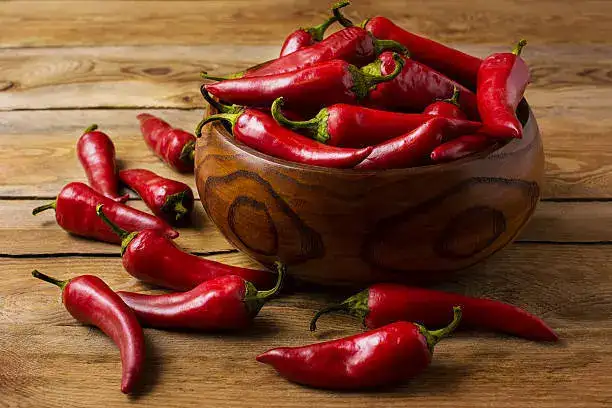
Do Spicy Foods Really Help Reduce Disease Risk?
Over the years, several large studies have observed a clear trend. People who frequently consume spicy foods, especially chilli peppers, tend to show lower rates of serious conditions like heart disease and certain cancers.
This does not mean chilli peppers alone can prevent illness, but the pattern has been consistent enough for health experts to explore it further. One possible reason lies in compounds like capsaicin, which gives chillies their heat. Capsaicin is known to have anti-inflammatory and antioxidant properties, both of which are important for protecting the body from long-term damage.
What One Major Study Found
A study by the University of Vermont Larner College of Medicine analysed data from 16,179 adults as part of a long-running health survey.
The findings were striking. People who ate hot red chilli peppers had a 13 percent lower risk of death overall compared to those who did not consume them. Over a follow-up period of around 273,877 person-years, the death rate among chilli eaters was 21.6 percent, while it was 33.6 percent among non-eaters.
Even after adjusting for age, lifestyle, and existing health conditions, the difference remained significant, suggesting a strong association between chilli consumption and longevity.
Global Evidence Points in the Same Direction
Another large analysis presented at the American Heart Association brought together data from four major studies involving more than 570,000 adults across the United States, Italy, China, and Iran.
The results showed that people who regularly ate chilli peppers had:
Bo Xu, a cardiologist involved in the research, said, “We were surprised to find that in these previously published studies, regular consumption of chili pepper was associated with an overall risk-reduction of all-cause, CVD, and cancer mortality.”
He also emphasised that these findings do not prove a direct cause-and-effect relationship, and more research is needed to fully understand the link.
Long-Term Studies Add More Insight
Further evidence comes from a large study published in the Chinese Medical Journal, which tracked around 486,000 adults over a period of about 12 years.
The study found that individuals who ate spicy food at least once a week had a slightly lower risk of cardiovascular disease. However, the results were less clear when it came to stroke, indicating that the benefits may vary depending on the condition.
Why Chillies Might Help
Scientists believe there are several possible reasons why chilli peppers could be beneficial. Capsaicin may help improve blood vessel function, reduce inflammation, and support metabolism. Spicy foods may also encourage better digestion and could play a role in weight management.At the same time, people who regularly eat spicy food may follow dietary patterns that include more vegetables and fewer processed foods, which could also contribute to better health outcomes.
A Note of Caution
It is important to remember that most of the current evidence comes from observational studies. This means researchers are identifying patterns rather than proving direct causes.
In simple terms, eating chilli peppers alone will not guarantee a longer life. Lifestyle factors such as a balanced diet, regular exercise, and overall health habits still play the biggest role.
Adding chilli peppers to your meals might do more than enhance taste. Research suggests it could be linked to lower risks of certain diseases and improved longevity.
However, moderation is key. Enjoy spicy foods as part of a balanced diet rather than relying on them as a health solution. A healthy lifestyle, combined with mindful eating, remains the best way to support long-term well-being.
Do Spicy Foods Really Help Reduce Disease Risk?
Over the years, several large studies have observed a clear trend. People who frequently consume spicy foods, especially chilli peppers, tend to show lower rates of serious conditions like heart disease and certain cancers. This does not mean chilli peppers alone can prevent illness, but the pattern has been consistent enough for health experts to explore it further. One possible reason lies in compounds like capsaicin, which gives chillies their heat. Capsaicin is known to have anti-inflammatory and antioxidant properties, both of which are important for protecting the body from long-term damage.
What One Major Study Found
A study by the University of Vermont Larner College of Medicine analysed data from 16,179 adults as part of a long-running health survey. The findings were striking. People who ate hot red chilli peppers had a 13 percent lower risk of death overall compared to those who did not consume them. Over a follow-up period of around 273,877 person-years, the death rate among chilli eaters was 21.6 percent, while it was 33.6 percent among non-eaters.
Even after adjusting for age, lifestyle, and existing health conditions, the difference remained significant, suggesting a strong association between chilli consumption and longevity.
Global Evidence Points in the Same Direction
Another large analysis presented at the American Heart Association brought together data from four major studies involving more than 570,000 adults across the United States, Italy, China, and Iran. The results showed that people who regularly ate chilli peppers had:
- 26 percent lower risk of death from cardiovascular disease
- 23 percent lower risk of death from cancer
- 25 percent lower risk of death from any cause
Bo Xu, a cardiologist involved in the research, said, “We were surprised to find that in these previously published studies, regular consumption of chili pepper was associated with an overall risk-reduction of all-cause, CVD, and cancer mortality.”
He also emphasised that these findings do not prove a direct cause-and-effect relationship, and more research is needed to fully understand the link.
You may also like
- “Why she wants to slap me”, UK tourist faces vulgar assault on NDLS-Agra train; disturbing video raises uncomfortable questions
- The New Gold Scam Nobody Notices Until It's Too Late
- Inspirational quote of the day: Pursue what catches your heart, not what catches your eyes
- Baba Ramdev's Tips for Knee Health: Natural Remedies and Lifestyle Changes
- Vegetables That Should Never Be Reheated: Health Risks Explained
Long-Term Studies Add More Insight
Further evidence comes from a large study published in the Chinese Medical Journal, which tracked around 486,000 adults over a period of about 12 years. The study found that individuals who ate spicy food at least once a week had a slightly lower risk of cardiovascular disease. However, the results were less clear when it came to stroke, indicating that the benefits may vary depending on the condition.
Why Chillies Might Help
Scientists believe there are several possible reasons why chilli peppers could be beneficial. Capsaicin may help improve blood vessel function, reduce inflammation, and support metabolism. Spicy foods may also encourage better digestion and could play a role in weight management.At the same time, people who regularly eat spicy food may follow dietary patterns that include more vegetables and fewer processed foods, which could also contribute to better health outcomes. A Note of Caution
It is important to remember that most of the current evidence comes from observational studies. This means researchers are identifying patterns rather than proving direct causes. In simple terms, eating chilli peppers alone will not guarantee a longer life. Lifestyle factors such as a balanced diet, regular exercise, and overall health habits still play the biggest role.
Adding chilli peppers to your meals might do more than enhance taste. Research suggests it could be linked to lower risks of certain diseases and improved longevity.
However, moderation is key. Enjoy spicy foods as part of a balanced diet rather than relying on them as a health solution. A healthy lifestyle, combined with mindful eating, remains the best way to support long-term well-being.






More from our partners


Loving Newspoint? Download the app now
