
Low-Impact Exercises For Elderly People With Joint Pain To Stay Active, Flexible And Independent

Growing older often brings joint stiffness, reduced flexibility and occasional discomfort, especially in the knees, hips, shoulders and lower back. However, avoiding movement altogether can make the problem worse. The right kind of physical activity helps lubricate the joints, strengthens the muscles around them and improves balance, which is essential for maintaining independence in later life. Low-impact exercises are especially helpful because they reduce stress on the joints while still keeping the body active. For elderly people living with joint pain, a gentle and consistent routine can make everyday tasks feel easier and far less tiring.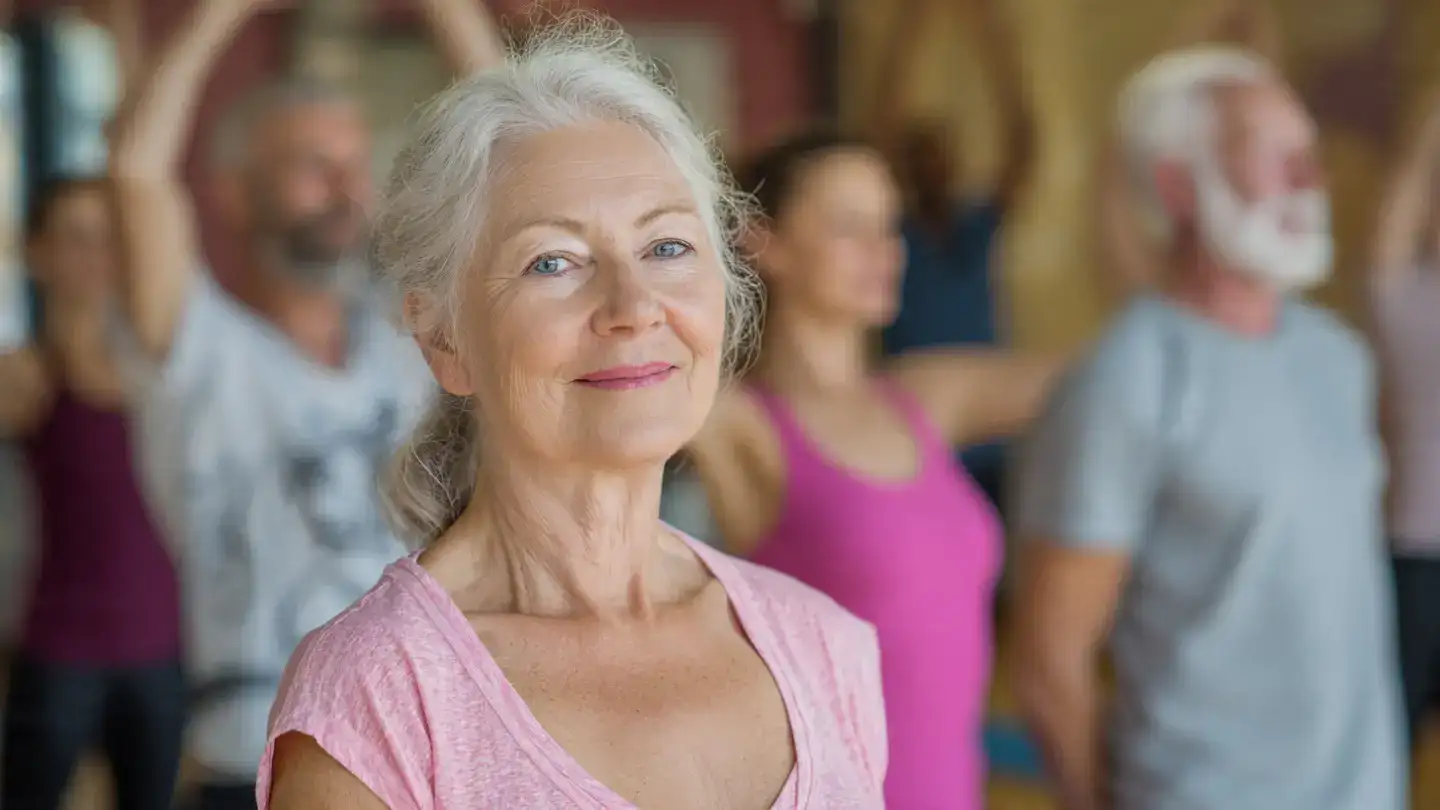
Exercises that are slow, controlled and joint-friendly can also support bone health and reduce the risk of falls. For older adults, the goal is not intense training but preserving movement, confidence and quality of life.
Starting with 10 to 15 minutes on flat ground is often enough. Comfortable footwear and a steady pace are important, especially for those with ankle or knee pain. Over time, this gentle activity can improve joint flexibility and strengthen the leg muscles that support balance.
Chair exercises are particularly useful for those with arthritis-friendly exercise needs because they minimise strain while still encouraging muscle engagement. They also help improve circulation and can be done indoors at any time of day.
Swimming, gentle water walking or simple aquatic stretches can strengthen muscles while allowing freer movement. Many physiotherapists recommend water exercise as one of the best joint pain relief exercises because it combines resistance with comfort.
Neck rolls, shoulder circles, calf stretches and gentle hamstring stretches can all be included in a daily senior fitness routine . Movements should always be slow and pain-free, never forced.
These practices strengthen the muscles around the joints while improving balance and body awareness. They are particularly helpful in reducing the fear of falling, which often limits movement in later life. Gentle poses and supported positions make them suitable even for people with mild arthritis or hip stiffness.
Older adults with chronic arthritis, osteoporosis or recent surgery should always speak with a doctor or physiotherapist before starting a new routine. Supportive shoes, hydration and a stable environment also make exercise safer.
The key to success is consistency rather than intensity. Even a few minutes of movement every day can improve flexibility, reduce stiffness and make daily activities such as dressing, walking and household tasks feel easier.
Low-impact exercise offers elderly people with joint pain a practical way to stay active without overwhelming the body. With the right mix of walking, chair workouts, stretching and balance-based movement, it is possible to protect the joints while improving strength and confidence. Over time, these gentle habits can play a major role in preserving comfort, mobility and independence.
Image Courtesy: Meta AI
Why Low-Impact Exercise Matters For Ageing Joints
As people age, cartilage naturally wears down and muscles may weaken, placing extra strain on the joints. This can lead to pain during walking, climbing stairs or even standing for long periods. Low-impact movement helps by improving circulation and reducing stiffness without causing repeated shock to the knees or hips.Exercises that are slow, controlled and joint-friendly can also support bone health and reduce the risk of falls. For older adults, the goal is not intense training but preserving movement, confidence and quality of life.
Walking Remains One Of The Best Gentle Daily Exercises
Walking is one of the simplest and most effective low-impact exercises for elderly people. A short daily walk helps keep the knees and hips moving while improving heart health and stamina.Starting with 10 to 15 minutes on flat ground is often enough. Comfortable footwear and a steady pace are important, especially for those with ankle or knee pain. Over time, this gentle activity can improve joint flexibility and strengthen the leg muscles that support balance.
Chair Exercises Help Build Strength Safely
For seniors who struggle with standing for long periods, chair-based workouts are highly effective. Seated leg lifts, ankle rotations and gentle arm raises can all improve mobility without placing pressure on painful joints.Chair exercises are particularly useful for those with arthritis-friendly exercise needs because they minimise strain while still encouraging muscle engagement. They also help improve circulation and can be done indoors at any time of day.
Swimming And Water Aerobics Reduce Pressure On Joints
Water-based workouts are excellent for older adults with persistent joint discomfort. The buoyancy of water supports body weight, which significantly reduces pressure on the knees, hips and spine.Swimming, gentle water walking or simple aquatic stretches can strengthen muscles while allowing freer movement. Many physiotherapists recommend water exercise as one of the best joint pain relief exercises because it combines resistance with comfort.
You may also like
- Why parents today feel like they are never doing enough
- When Nothing Is Working in Life, Read This Lesson from Arjuna and Lord Krishna
- BSB Board Exams 2026 conclude successfully; evaluation begins for early results
- 5 Eyeliner Hacks That Instantly Upgrade Your Look
- Anand Mahindra is stunned by this place near Jaipur, Rajasthan; says it's unbelievably ahead of its time
Stretching Improves Flexibility And Eases Morning Stiffness
Light stretching keeps muscles flexible and helps joints move through their natural range. This is especially helpful for elderly people who wake up with stiffness in the back, shoulders or legs.Neck rolls, shoulder circles, calf stretches and gentle hamstring stretches can all be included in a daily senior fitness routine . Movements should always be slow and pain-free, never forced.
Tai Chi And Yoga Support Balance And Joint Comfort
Tai Chi and beginner-friendly yoga are ideal mobility exercises for older adults because they combine slow motion, breathing and posture control.These practices strengthen the muscles around the joints while improving balance and body awareness. They are particularly helpful in reducing the fear of falling, which often limits movement in later life. Gentle poses and supported positions make them suitable even for people with mild arthritis or hip stiffness.
Important Safety Tips Before Starting
Any new exercise routine should begin gradually. It is wise to start with five to ten minutes and slowly build duration depending on comfort. Pain that feels sharp or worsens after exercise should not be ignored.Older adults with chronic arthritis, osteoporosis or recent surgery should always speak with a doctor or physiotherapist before starting a new routine. Supportive shoes, hydration and a stable environment also make exercise safer.
The key to success is consistency rather than intensity. Even a few minutes of movement every day can improve flexibility, reduce stiffness and make daily activities such as dressing, walking and household tasks feel easier.
Low-impact exercise offers elderly people with joint pain a practical way to stay active without overwhelming the body. With the right mix of walking, chair workouts, stretching and balance-based movement, it is possible to protect the joints while improving strength and confidence. Over time, these gentle habits can play a major role in preserving comfort, mobility and independence.
Image Courtesy: Meta AI






More from our partners


Loving Newspoint? Download the app now
