
Low-Sodium Meal Ideas For Heart Patients That Support Better Blood Pressure And Everyday Heart Wellness

For heart patients, food becomes more than just daily nourishment. It plays a direct role in managing blood pressure, reducing strain on the cardiovascular system and supporting long-term recovery. One of the most important dietary changes recommended by doctors is reducing sodium intake, as excess salt can lead to water retention and increased blood pressure.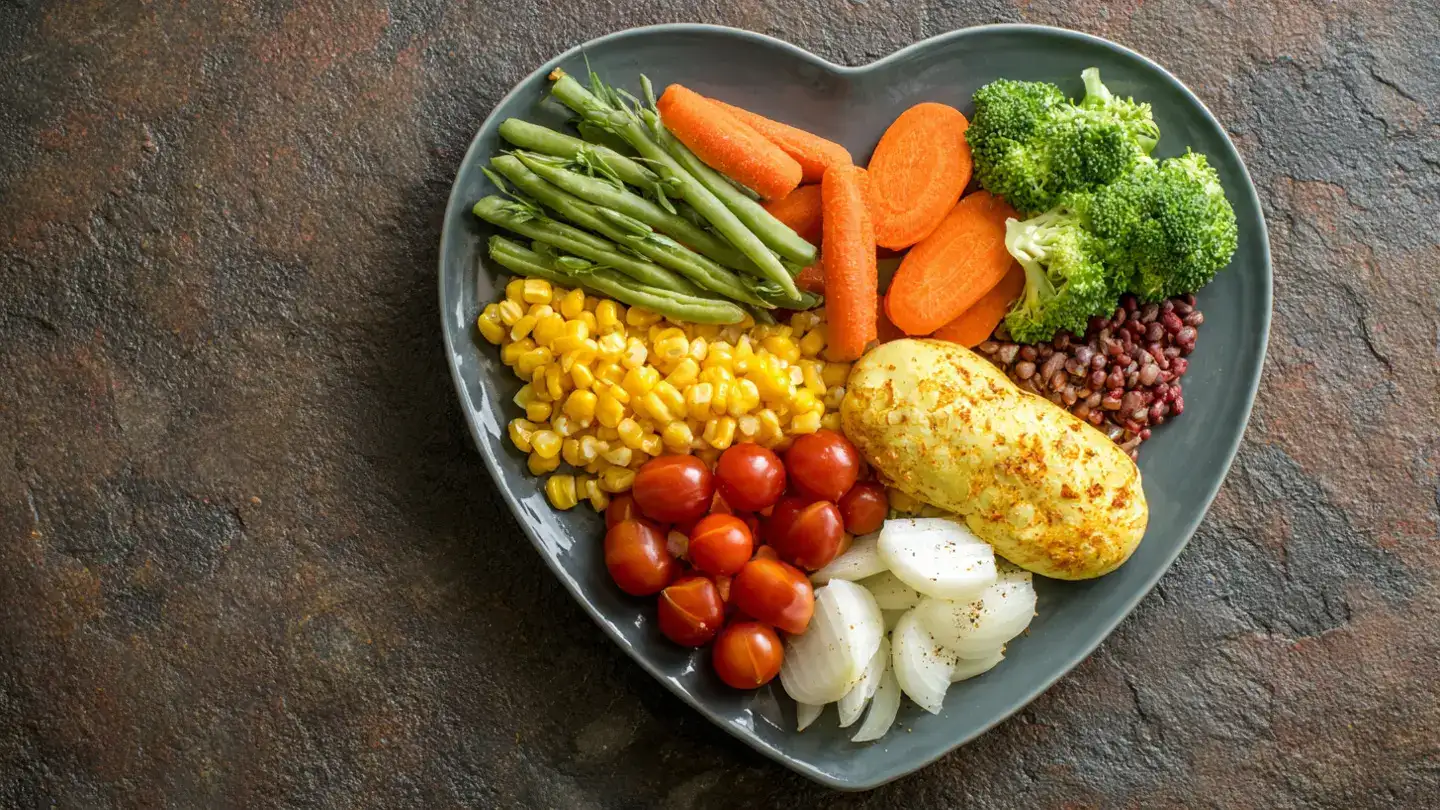
The good news is that low-sodium eating does not need to feel restrictive or bland. With the right ingredients, herbs and cooking methods, meals can remain deeply satisfying while still supporting heart health. The focus should be on fresh produce, lean proteins, whole grains and natural flavour enhancers like lemon, garlic, ginger and herbs.
Choosing healthy low-salt recipes helps maintain healthier blood pressure levels while also reducing bloating and swelling. Freshly prepared meals at home are especially useful because packaged and restaurant foods often contain hidden sodium.
A practical target is to avoid heavily processed foods such as canned soups, instant noodles, packaged snacks, pickles and processed meats. Replacing them with natural ingredients can make a meaningful difference.
A good option is vegetable oats cooked with carrots, peas, beans and tomatoes without added salt-heavy seasoning mixes. Use black pepper, roasted cumin powder and coriander for flavour. This supports fullness while fitting perfectly into a cardiac diet plan .
Another excellent breakfast choice is poha made with onions, peas, peanuts and plenty of vegetables, seasoned with turmeric, curry leaves and lemon juice instead of excess salt. It is light on the stomach and suitable for daily heart-friendly foods planning.
Plain Greek yoghurt topped with sliced apple, banana, flaxseeds and unsalted nuts also works well. It provides protein, potassium and healthy fats that complement meals for blood pressure management.
A bowl of brown rice with moong dal, sautéed spinach and grilled paneer or skinless chicken is one of the most balanced low-sodium meal ideas . The combination provides protein, fibre and minerals while keeping salt naturally lower.
Multigrain roti with lauki sabzi, mixed vegetable curry and cucumber raita is another excellent option. Bottle gourd is particularly gentle and hydrating, making it ideal for heart patients.
Quinoa salad with chickpeas, cucumber, tomatoes, lettuce, olive oil and lemon dressing offers a refreshing modern alternative. The natural freshness of herbs and vegetables reduces the need for extra sodium.
A comforting bowl of vegetable soup made fresh at home using pumpkin, carrots, beans and cabbage is ideal. Avoid store-bought soup cubes and instead use ginger, garlic and crushed pepper for taste.
Steamed fish with sautéed vegetables and a side of millet can be an excellent dinner for non-vegetarians. The meal is rich in protein and omega-supportive nutrition while fitting into a heart patient diet.
For vegetarians, khichdi made with moong dal, brown rice and vegetables offers warmth, comfort and balanced nutrition. Adding fresh coriander and a squeeze of lemon lifts flavour naturally.
Fresh fruit bowls with papaya, apple, guava or pomegranate are naturally low in sodium and rich in antioxidants.
Roasted unsalted makhana with turmeric and pepper is another excellent option. It satisfies cravings without the sodium load of packaged namkeen.
Unsalted almonds, walnuts and pumpkin seeds in small portions also fit well into healthy low-salt recipes and support overall heart wellness.
Use herbs such as mint, coriander, basil and parsley generously. Lemon juice adds brightness, while ginger and garlic build depth. Roasted cumin, black pepper, cinnamon and fennel can make meals feel aromatic and complete.
Tomatoes, onions and slow cooking also naturally intensify flavour. Over time, the palate adjusts, and heavily salted foods may even start tasting overpowering.
Plan simple weekly menus, keep fruits and cut vegetables ready, and choose whole ingredients over packaged convenience foods. A consistent low-sodium lifestyle supports the heart not only in recovery but also in preventing future complications.
Small food decisions repeated every day often create the biggest health improvements. For heart patients, thoughtful meal planning can become one of the strongest tools for better living, greater energy and long-term cardiovascular stability.
Image Courtesy: Meta AI
The good news is that low-sodium eating does not need to feel restrictive or bland. With the right ingredients, herbs and cooking methods, meals can remain deeply satisfying while still supporting heart health. The focus should be on fresh produce, lean proteins, whole grains and natural flavour enhancers like lemon, garlic, ginger and herbs.
Why Low-Sodium Meals Matter For Heart Patients
A heart patient diet often centres on controlling blood pressure, cholesterol and fluid balance. Sodium directly affects all three. High sodium consumption can increase blood volume, forcing the heart to work harder. Over time, this added pressure may worsen existing heart conditions.Choosing healthy low-salt recipes helps maintain healthier blood pressure levels while also reducing bloating and swelling. Freshly prepared meals at home are especially useful because packaged and restaurant foods often contain hidden sodium.
A practical target is to avoid heavily processed foods such as canned soups, instant noodles, packaged snacks, pickles and processed meats. Replacing them with natural ingredients can make a meaningful difference.
Heart-Friendly Breakfast Meal Ideas
Breakfast should provide fibre, protein and slow-release energy.A good option is vegetable oats cooked with carrots, peas, beans and tomatoes without added salt-heavy seasoning mixes. Use black pepper, roasted cumin powder and coriander for flavour. This supports fullness while fitting perfectly into a cardiac diet plan .
Another excellent breakfast choice is poha made with onions, peas, peanuts and plenty of vegetables, seasoned with turmeric, curry leaves and lemon juice instead of excess salt. It is light on the stomach and suitable for daily heart-friendly foods planning.
Plain Greek yoghurt topped with sliced apple, banana, flaxseeds and unsalted nuts also works well. It provides protein, potassium and healthy fats that complement meals for blood pressure management.
Healthy Lunch Ideas That Keep Sodium Low
Lunch should feel filling without being heavy.A bowl of brown rice with moong dal, sautéed spinach and grilled paneer or skinless chicken is one of the most balanced low-sodium meal ideas . The combination provides protein, fibre and minerals while keeping salt naturally lower.
Multigrain roti with lauki sabzi, mixed vegetable curry and cucumber raita is another excellent option. Bottle gourd is particularly gentle and hydrating, making it ideal for heart patients.
Quinoa salad with chickpeas, cucumber, tomatoes, lettuce, olive oil and lemon dressing offers a refreshing modern alternative. The natural freshness of herbs and vegetables reduces the need for extra sodium.
Light Yet Nourishing Dinner Options
Dinner should be easy to digest and moderate in portion size.A comforting bowl of vegetable soup made fresh at home using pumpkin, carrots, beans and cabbage is ideal. Avoid store-bought soup cubes and instead use ginger, garlic and crushed pepper for taste.
Steamed fish with sautéed vegetables and a side of millet can be an excellent dinner for non-vegetarians. The meal is rich in protein and omega-supportive nutrition while fitting into a heart patient diet.
For vegetarians, khichdi made with moong dal, brown rice and vegetables offers warmth, comfort and balanced nutrition. Adding fresh coriander and a squeeze of lemon lifts flavour naturally.
Smart Snack Ideas Between Meals
Snacking can either support or harm cardiac recovery, depending on the choices.Fresh fruit bowls with papaya, apple, guava or pomegranate are naturally low in sodium and rich in antioxidants.
Roasted unsalted makhana with turmeric and pepper is another excellent option. It satisfies cravings without the sodium load of packaged namkeen.
Unsalted almonds, walnuts and pumpkin seeds in small portions also fit well into healthy low-salt recipes and support overall heart wellness.
Easy Ways To Add Flavour Without Salt
One reason people struggle with low-sodium eating is the fear of bland food. The solution lies in flavour layering.Use herbs such as mint, coriander, basil and parsley generously. Lemon juice adds brightness, while ginger and garlic build depth. Roasted cumin, black pepper, cinnamon and fennel can make meals feel aromatic and complete.
Tomatoes, onions and slow cooking also naturally intensify flavour. Over time, the palate adjusts, and heavily salted foods may even start tasting overpowering.
Building A Sustainable Daily Routine
The best meals for blood pressure control are the ones that can be followed consistently. Instead of making dramatic diet shifts overnight, begin by reducing processed foods and preparing more meals at home.Plan simple weekly menus, keep fruits and cut vegetables ready, and choose whole ingredients over packaged convenience foods. A consistent low-sodium lifestyle supports the heart not only in recovery but also in preventing future complications.
Small food decisions repeated every day often create the biggest health improvements. For heart patients, thoughtful meal planning can become one of the strongest tools for better living, greater energy and long-term cardiovascular stability.
Image Courtesy: Meta AI
Next Story