
Lyrid Meteor Shower 2026: When and How to Watch the Stunning Night Sky Show

The night sky is preparing for one of its most beautiful annual spectacles, the Lyrid Meteor Shower. Known for its bright, fast-moving meteors and occasional fireballs, this celestial event returns every April and is expected to offer a memorable display in 2026.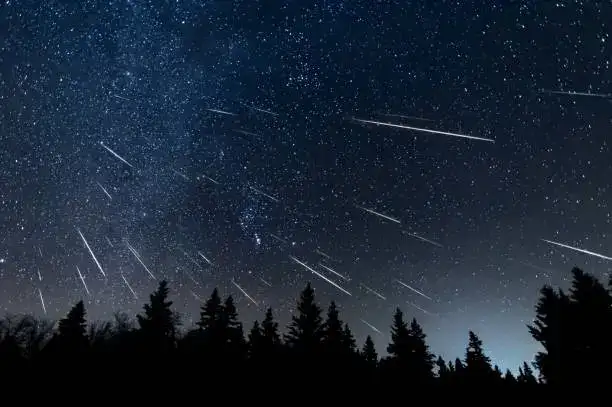
The Lyrids are created when Earth passes through the dusty trail left behind by the comet Comet Thatcher. As tiny fragments enter the atmosphere at high speed, they burn up and create glowing streaks across the night sky. These streaks are what we see as meteors, often called shooting stars.
Peak Dates and Best Viewing Window
In 2026, the Lyrid Meteor Shower will peak between April 21 and April 22. This is the most important window for skywatchers, as meteor activity reaches its highest level during this short period.
The best time to watch is after midnight and before sunrise on April 22. During these early hours, the sky is darkest, which improves visibility. Under clear conditions, observers may see up to 20 meteors per hour. While the shower is not the most intense of the year, it is known for producing sudden bright bursts that make it especially exciting.
Where to Watch in India for the Best Experience
To get the clearest view, it is important to move away from city lights. Light pollution can hide many meteors, so darker locations offer a much better experience. In India, some of the best viewing spots include:
The meteors will appear to originate from the Lyra constellation in the northeastern part of the sky. However, they can appear anywhere overhead, so it is best to keep your eyes scanning the entire sky.
Simple Tips for Watching the Meteor Shower
No telescope or binoculars are needed for this event. In fact, the naked eye gives the best view. A few simple steps can make the experience more enjoyable:
Patience is key. Meteors often appear in bursts, followed by quiet moments.
Why the Lyrids Are Special
The Lyrids are one of the oldest known meteor showers, with records dating back over 2,700 years. This long history makes it one of the most studied and admired celestial events in astronomy.
The meteors travel at incredible speeds of around 49 km per second. As they enter Earth’s atmosphere, friction causes them to burn up, creating bright trails that last only a few seconds but leave a lasting impression.
One of the most exciting features of this shower is the possibility of fireballs. These are brighter and longer-lasting meteors that can briefly light up large portions of the sky.
A Calm but Powerful Sky Event
Unlike some meteor showers that are highly intense, the Lyrids are more subtle but visually striking. Their charm lies in unpredictability. A quiet sky can suddenly be interrupted by a bright streak of light, making the experience feel magical.
For many skywatchers, it is not just about counting meteors but about enjoying a peaceful night under the stars. The event encourages people to slow down, look upward, and reconnect with the natural world.
A Celestial Experience Worth Watching
The 2026 Lyrid Meteor Shower offers a perfect opportunity for both beginners and astronomy enthusiasts. With clear skies, a dark location, and the right timing, it can become a truly unforgettable experience.
Whether you are watching from a mountain, a desert, or a quiet coastline, this April sky show is a reminder of how dynamic and beautiful the universe truly is.
The Lyrids are created when Earth passes through the dusty trail left behind by the comet Comet Thatcher. As tiny fragments enter the atmosphere at high speed, they burn up and create glowing streaks across the night sky. These streaks are what we see as meteors, often called shooting stars.
Peak Dates and Best Viewing Window
In 2026, the Lyrid Meteor Shower will peak between April 21 and April 22. This is the most important window for skywatchers, as meteor activity reaches its highest level during this short period.The best time to watch is after midnight and before sunrise on April 22. During these early hours, the sky is darkest, which improves visibility. Under clear conditions, observers may see up to 20 meteors per hour. While the shower is not the most intense of the year, it is known for producing sudden bright bursts that make it especially exciting.
Where to Watch in India for the Best Experience
To get the clearest view, it is important to move away from city lights. Light pollution can hide many meteors, so darker locations offer a much better experience. In India, some of the best viewing spots include:- Quiet rural areas in Himachal Pradesh
- High-altitude regions of Jammu & Kashmir
- Open desert skies in Rajasthan
- Peaceful hill stations of Uttarakhand
- Coastal stretches in Goa and Kerala with wide, clear horizons
The meteors will appear to originate from the Lyra constellation in the northeastern part of the sky. However, they can appear anywhere overhead, so it is best to keep your eyes scanning the entire sky.
Simple Tips for Watching the Meteor Shower
No telescope or binoculars are needed for this event. In fact, the naked eye gives the best view. A few simple steps can make the experience more enjoyable: - Choose a dark, open area away from artificial lighting
- Give your eyes at least 15 to 20 minutes to adjust to the darkness
- Lie back or sit comfortably for a wide view of the sky
- Focus on the northeastern direction, but do not limit your gaze
- Avoid looking at phone screens, as they reduce night vision
Patience is key. Meteors often appear in bursts, followed by quiet moments.
Why the Lyrids Are Special
The Lyrids are one of the oldest known meteor showers, with records dating back over 2,700 years. This long history makes it one of the most studied and admired celestial events in astronomy.The meteors travel at incredible speeds of around 49 km per second. As they enter Earth’s atmosphere, friction causes them to burn up, creating bright trails that last only a few seconds but leave a lasting impression.
One of the most exciting features of this shower is the possibility of fireballs. These are brighter and longer-lasting meteors that can briefly light up large portions of the sky.
A Calm but Powerful Sky Event
Unlike some meteor showers that are highly intense, the Lyrids are more subtle but visually striking. Their charm lies in unpredictability. A quiet sky can suddenly be interrupted by a bright streak of light, making the experience feel magical. For many skywatchers, it is not just about counting meteors but about enjoying a peaceful night under the stars. The event encourages people to slow down, look upward, and reconnect with the natural world.
A Celestial Experience Worth Watching
The 2026 Lyrid Meteor Shower offers a perfect opportunity for both beginners and astronomy enthusiasts. With clear skies, a dark location, and the right timing, it can become a truly unforgettable experience.Whether you are watching from a mountain, a desert, or a quiet coastline, this April sky show is a reminder of how dynamic and beautiful the universe truly is.
Next Story