
Master The Art Of Making Perfect Mooli Paratha At Home With Simple Techniques And Rich Flavours

Few dishes capture the warmth and comfort of Indian home cooking quite like mooli paratha. A staple in many households, especially during the winter months, this wholesome flatbread brings together the earthy flavour of radish with soft, golden layers of dough. Making it at home may seem intimidating at first, but with the right technique and a little patience, it becomes an enjoyable and rewarding process. Whether you are a beginner or someone looking to refine your skills, mastering this traditional recipe adds a timeless dish to your everyday cooking repertoire.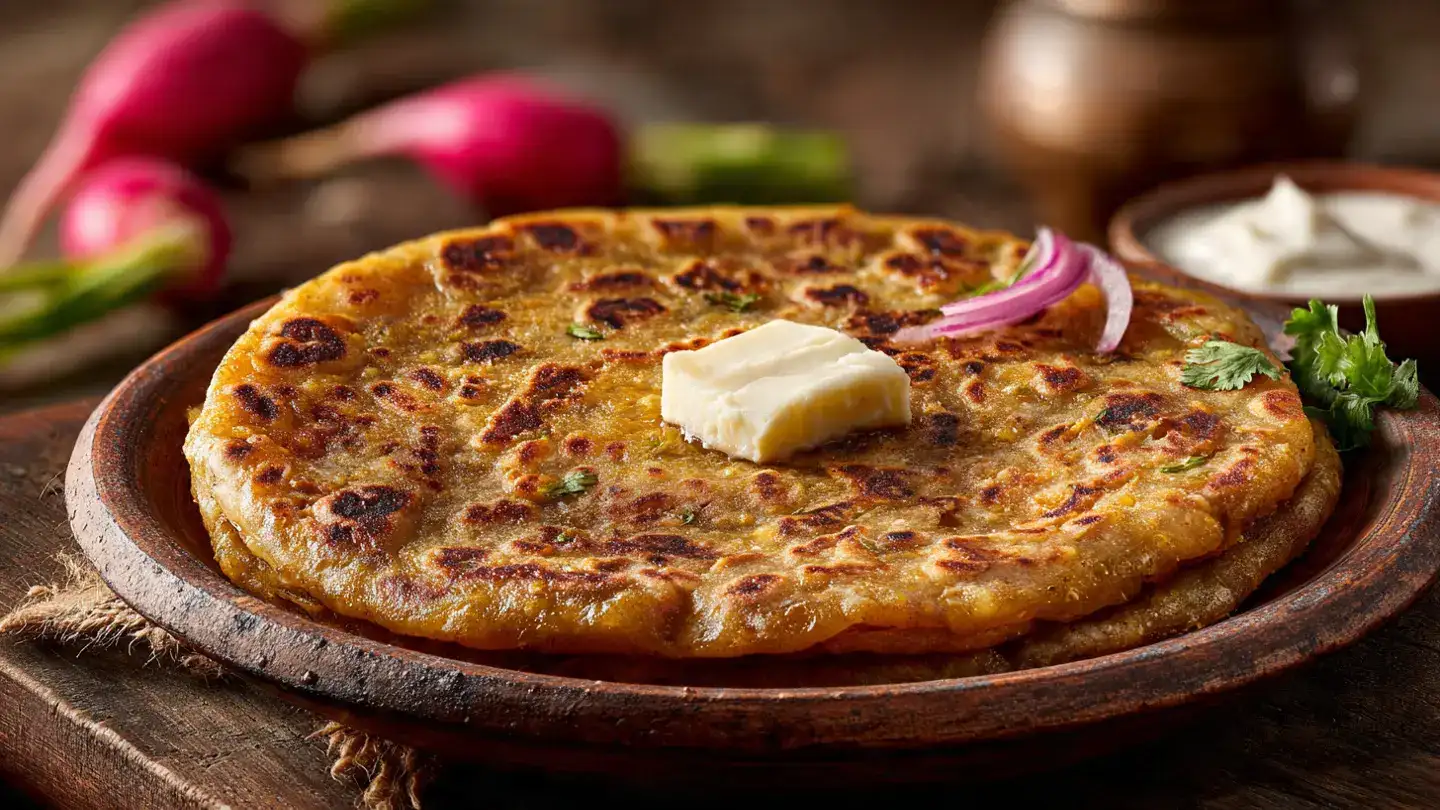
Radish, or mooli, brings a distinctive sharpness that mellows beautifully when cooked. Combined with simple spices, it creates a filling that is both comforting and deeply satisfying. This dish is often enjoyed with yoghurt, pickle, or a dollop of butter, making it a complete and fulfilling meal.
Kneading plays a crucial role here. The dough should be smooth and slightly elastic, allowing it to stretch without tearing. Letting it rest for at least fifteen to twenty minutes helps improve its consistency, making it easier to work with later.
Avoid making the dough too stiff, as this can lead to hard parathas. At the same time, overly soft dough can make stuffing difficult. Finding the right balance is essential for achieving the desired result.
Once prepared, the grated radish is mixed with finely chopped green chillies, coriander leaves, salt, and spices such as cumin and red chilli powder. Some variations also include grated ginger for added warmth and depth.
Timing is key when adding salt to the filling. It should be mixed just before stuffing to prevent the radish from releasing more water. This simple step can make a significant difference in maintaining the structure of the paratha.
Rolling the stuffed dough evenly is crucial. Applying too much pressure can cause the filling to spill out, while uneven rolling can lead to inconsistent cooking. Using light, steady movements helps achieve a uniform thickness.
Dusting with a little flour prevents sticking and makes the process smoother. With practice, this step becomes second nature, allowing you to create perfectly shaped parathas every time.
Cooking on medium heat ensures that the paratha cooks evenly without burning. Pressing gently with a spatula helps achieve a crisp exterior while keeping the inside soft and well-cooked.
The result is a beautifully golden paratha with layers that are slightly crisp on the outside and tender within. The aroma alone is enough to make the experience worthwhile.
Serving the paratha immediately after cooking preserves its texture and warmth. Pairing it with chilled yoghurt or tangy pickle creates a delightful contrast that enhances the overall experience.
Consistency comes with practice. Each attempt helps refine your technique, making the process smoother and more intuitive over time.
Crafting it in your own kitchen allows you to connect with this culinary tradition in a meaningful way. The process itself becomes as enjoyable as the final result, turning an everyday meal into a memorable experience.
Image Courtesy: Meta AI
Understanding The Essence Of Mooli Paratha
Mooli paratha is more than just a stuffed flatbread. It reflects a balance of texture and taste, where the softness of the dough complements the mildly pungent and juicy filling. The key lies in managing moisture and seasoning, ensuring that each bite feels flavourful without becoming soggy or dry.Radish, or mooli, brings a distinctive sharpness that mellows beautifully when cooked. Combined with simple spices, it creates a filling that is both comforting and deeply satisfying. This dish is often enjoyed with yoghurt, pickle, or a dollop of butter, making it a complete and fulfilling meal.
Preparing The Perfect Dough
The foundation of any good paratha is its dough. For mooli paratha, a soft and pliable dough ensures ease of rolling and a tender final texture. Whole wheat flour is typically used, mixed with water and a pinch of salt.Kneading plays a crucial role here. The dough should be smooth and slightly elastic, allowing it to stretch without tearing. Letting it rest for at least fifteen to twenty minutes helps improve its consistency, making it easier to work with later.
Avoid making the dough too stiff, as this can lead to hard parathas. At the same time, overly soft dough can make stuffing difficult. Finding the right balance is essential for achieving the desired result.
Preparing The Flavourful Filling
The filling is where the true character of mooli paratha comes alive. Fresh radish is grated finely and then lightly squeezed to remove excess water. This step is important, as too much moisture can cause the paratha to break while rolling.Once prepared, the grated radish is mixed with finely chopped green chillies, coriander leaves, salt, and spices such as cumin and red chilli powder. Some variations also include grated ginger for added warmth and depth.
Timing is key when adding salt to the filling. It should be mixed just before stuffing to prevent the radish from releasing more water. This simple step can make a significant difference in maintaining the structure of the paratha.
The Art Of Stuffing And Rolling
Stuffing the paratha requires a gentle touch and a bit of practice. A portion of dough is rolled into a small disc, and the filling is placed in the centre. The edges are then brought together and sealed carefully.Rolling the stuffed dough evenly is crucial. Applying too much pressure can cause the filling to spill out, while uneven rolling can lead to inconsistent cooking. Using light, steady movements helps achieve a uniform thickness.
Dusting with a little flour prevents sticking and makes the process smoother. With practice, this step becomes second nature, allowing you to create perfectly shaped parathas every time.
Cooking To Golden Perfection
Cooking mooli paratha on a hot griddle brings everything together. The paratha is placed on the surface and cooked until small bubbles appear. It is then flipped, and a small amount of oil or ghee is applied.Cooking on medium heat ensures that the paratha cooks evenly without burning. Pressing gently with a spatula helps achieve a crisp exterior while keeping the inside soft and well-cooked.
You may also like
- Planning a Big Career? Know the Key Differences Between Delhi University, Jawaharlal Nehru University, and Indian Institutes of Technology
- Free airline perk that makes travelling with kids easier
- India was about to lose turmeric to the US: How Dr Raghunath Mashelkar fought a patent war to bring it home
- Parenting in the digital age: How technology can help keep children safe online
- Anand Mahindra shares a rare 140-year-old photo of Kedarnath, when reaching the shrine was the real pilgrimage
The result is a beautifully golden paratha with layers that are slightly crisp on the outside and tender within. The aroma alone is enough to make the experience worthwhile.
Tips To Enhance Your Homemade Paratha Experience
Small details can elevate your mooli paratha from good to exceptional. Using fresh ingredients, especially radish, ensures better flavour and texture. Adjusting spices according to personal preference allows for a customised taste.Serving the paratha immediately after cooking preserves its texture and warmth. Pairing it with chilled yoghurt or tangy pickle creates a delightful contrast that enhances the overall experience.
Consistency comes with practice. Each attempt helps refine your technique, making the process smoother and more intuitive over time.
Why Mooli Paratha Remains A Timeless Favourite
Mooli paratha continues to hold a special place in Indian kitchens because of its simplicity and versatility. It is a dish that adapts to different tastes while retaining its traditional essence. Beyond its flavour, it represents comfort, nourishment, and the joy of home-cooked food.Crafting it in your own kitchen allows you to connect with this culinary tradition in a meaningful way. The process itself becomes as enjoyable as the final result, turning an everyday meal into a memorable experience.
Image Courtesy: Meta AI






More from our partners


Loving Newspoint? Download the app now
